Career Overview
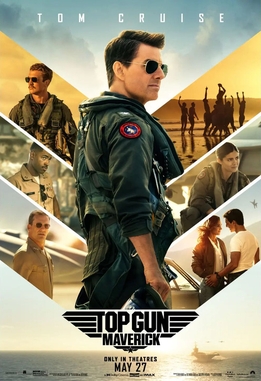
Joseph Kosinski emerged in the early twenty-first century as a defining architect of the modern American blockbuster. Initially recognized for his sleek, design-forward approach to franchise filmmaking, his career trajectory reveals a steady evolution from a visual stylist to a master of emotionally resonant spectacle. His early projects, such as Tron: Legacy and Oblivion, established his reputation as a skilled craftsman capable of orchestrating grandiose visuals. However, it was his revitalization of beloved cinematic properties that ultimately cemented his place in contemporary cinema history.\n\nHis background in architecture and computer graphics heavily informs his directorial ethos, allowing him to construct cinematic worlds with rigorous precision. This technical proficiency initially drew criticism for occasionally overshadowing character development, with some detractors viewing his early science fiction efforts as visually striking but emotionally hollow. Yet, Kosinski steadily refined his narrative instincts, learning to anchor his formalist tendencies to recognizable human stakes.\n\nBy the time he directed Top Gun: Maverick, Kosinski had fully matured into a filmmaker capable of synthesizing overwhelming kineticism with profound emotional weight. He positioned himself not merely as a hired hand for studio tentpoles, but as a crucial steward of the theatrical experience. In an era dominated by streaming platforms, his commitment to large-scale filmmaking reminds audiences and critics alike of the transporting power of the cinema, solidifying his legacy as a vital guardian of the Hollywood blockbuster tradition.
Thematic Preoccupations
At the core of Joseph Kosinski's filmography is a profound preoccupation with nostalgia and the burden of legacy. His narratives frequently revolve around characters wrestling with the ghosts of their pasts, attempting to reconcile historical triumphs or tragedies with the demands of an unforgiving present. In Top Gun: Maverick, this manifests through deeply embedded melancholy undertones, as veteran figures must confront their obsolescence while guiding a new generation. This thematic focus transforms standard action frameworks into meditative explorations of aging and relevance.\n\nMentorship and loyalty serve as the crucial counterweights to his characters' internal isolation. Kosinski constructs environments where survival depends entirely on the bonds forged between individuals, elevating concepts of patriotism and duty beyond mere jingoism. Instead, these ideas are intimately localized within the immediate group dynamic, often manifesting as a powerful sense of brotherhood or bromance. The emotional stakes in his films are rarely tied solely to global salvation, but rather to the immediate, visceral need to protect a wingman or honor a fallen comrade.\n\nFurthermore, a sense of affectionate romance permeates his storytelling, though it is often secondary to the central themes of duty and sacrifice. This romance is not limited to interpersonal relationships but extends to a romanticization of physical skill and analog mastery in a digitized world. Kosinski frequently pits human intuition and visceral experience against automated precision, arguing for the irreplaceable value of human passion. Through these joyous and heartfelt moments, he consistently investigates what it means to remain human inside increasingly mechanized environments.
Stylistic Signatures
Joseph Kosinski's visual language is characterized by an immaculate, slick production style that privileges spatial clarity and immersive storytelling. Critics frequently note his architectural approach to world-building, where every frame feels meticulously designed and controlled. Unlike the chaotic, hyper-edited aesthetics favored by many of his contemporaries, Kosinski orchestrates his action sequences with a clean, grandiose visual rhythm. His camera movements are sweeping and deliberate, utilizing vast scales to emphasize the vulnerability of his characters within monumental environments.\n\nNowhere is this more apparent than in his approach to aerial cinematography and vehicular action. As evidenced by the breathtaking set pieces in Top Gun: Maverick, Kosinski embraces sheer kineticism, crafting flight sequences full of face-melting ascents and whiplash-inducing maneuvers. He pushes practical filmmaking to its absolute limits, creating a transporting experience that effectively tosses conventional physics to the wind while maintaining a grounded, tactile reality. The resulting exhilarating spectacle relies on placing the audience directly inside the machinery, making the danger feel immediate and profound.\n\nSound and pacing are equally vital to the adrenaline-boosting impact of his work. Kosinski constructs action-packed sequences that function as rhythmic crescendos, building tension through a precise interplay of roaring engines, sweeping musical scores, and strategically deployed silences. While his films are undeniably thrilling experiences, he also knows when to temper the bombast with quieter, more reflective interludes. This careful calibration of tone ensures that the explosive moments of kinetic action are earned, resulting in a cohesive stylistic signature that is both visually staggering and structurally elegant.
Recurring Collaborators
While the database highlights no formally recognized recurring cast members across a wide swath of his filmography, any analysis of Joseph Kosinski's career must acknowledge his vital creative partnership with Tom Cruise. Their collaboration, which began with the science fiction film Oblivion and reached its zenith with Top Gun: Maverick, represents a fascinating synergy of directorial precision and unparalleled star power. Cruise brings a legendary, fully committed physical performance style that perfectly complements Kosinski's demand for tactile, immersive action.\n\nThis partnership functions as a crucial engine for the grandiose visuals Kosinski seeks to capture. Cruise's insistence on performing dangerous, high-altitude stunts provides the director with the authentic, raw material necessary to execute his transporting cinematic visions. Critics often point out that Cruise's conviction and commitment to Hollywood showmanship find their ideal framing within Kosinski's sleek, expansive camera setups. Together, they have redefined the parameters of the modern blockbuster, pushing the boundaries of what is possible to capture in-camera.\n\nBeyond the physical demands of their projects, the collaboration also serves a significant thematic purpose. Kosinski utilizes Cruise's enduring status as a cinematic icon to underscore narratives about aging, legacy, and the twilight of traditional heroism. The director expertly leverages the audience's decades-long relationship with the actor, using it to infuse his films with inherent nostalgia and emotional weight. In this sense, Cruise is not merely an actor in Kosinski's films, but a foundational structural element upon which the director builds his most ambitious thematic architectures.
Critical Standing
The critical reception of Joseph Kosinski's work has undergone a fascinating evolution, shifting from cautious admiration of his visual flair to widespread acclaim for his mastery of the cinematic experience. Early in his career, reviewers frequently categorized him as a highly skilled craftsman whose sleek aesthetic occasionally overshadowed narrative depth. Films like Oblivion and Tron: Legacy were often praised for their grandiose visual ambition but criticized by some, including voices at the Los Angeles Times, as being shiny and somewhat empty.\n\nHowever, the monumental success of Top Gun: Maverick radically altered his standing within critical discourse. Reviewers across the spectrum, from Slant Magazine to The Guardian, began to champion his unique gift for large-scale filmmaking. He became celebrated not merely as a capable technician, but as a vital savior of theatrical spectacle. Critics increasingly recognized his ability to engineer air-punching moments of joy that elevate popcorn cinema beyond formulaic constraints, noting that his immersive fight and flight sequences were vastly superior to the already revered work found in Tony Scott's original Top Gun.\n\nToday, Kosinski occupies a highly respected position as a director who consistently delivers irresistible, high-stakes entertainment. He is frequently cited as a filmmaker who understands the visceral power of the medium better than almost anyone else working in the contemporary studio system. By successfully balancing overwhelming kineticism with sincere emotional stakes, he has earned a critical reputation as a purveyor of the kind of exhilarating spectacle that reminds audiences why the communal cinema experience remains irreplaceable.