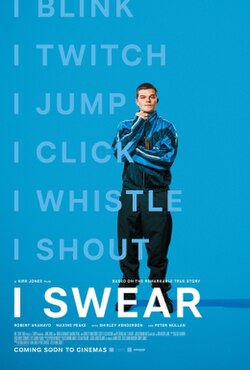
Career Overview
Kirk Jones has secured a distinctive position in British cinema through his adept navigation of comedy and drama. His career arc demonstrates a consistent dedication to narratives that explore the idiosyncrasies of human behavior. While early works like Waking Ned Devine established his talent for rendering tight-knit communities with warmth, his later output reveals a deeper engagement with complex biographical subjects. The 2025 release I Swear serves as a culmination of this trajectory, cementing his reputation as a filmmaker who seamlessly blends affable humor with rigorous social inquiry.
The foundation of his cinematic project rests on elevating marginalized voices into the mainstream consciousness. By dramatizing the life of John Davidson, a Scottish man diagnosed with severe Tourette syndrome, Jones transitions from generalized feel-good narratives to highly specific disability advocacy. His background in crafting relatable, accessible stories allows him to frame challenging neurological conditions not as medical anomalies, but as deeply human experiences worthy of cinematic exploration.
In the broader context of cinema history, Jones occupies a critical space bridging mainstream entertainment and earnest social activism. He champions the cozy British film framework but actively subverts its traditional limitations by introducing harsh, grounded realities. This evolution from lighthearted community tales to urgent biographical dramas reflects a maturation in his artistic vision, securing his legacy as a compassionate and thoughtful storyteller.
Thematic Preoccupations
A paramount preoccupation within the director's filmography is the nuanced exploration of disability awareness and representation. Rather than treating physical or neurological conditions as fodder for melodrama, Jones approaches subjects like Tourette syndrome with an unflinching yet compassionate eye. His work consistently questions how society interacts with neurodivergent individuals, framing personal history as a vital component of public advocacy.
The intersection of humor and personal resilience serves as a core philosophical concern. Jones wields comedy not as a means of mockery, but as an essential survival mechanism for his protagonists. This thematic approach frequently draws comparisons to the empathetic writings of Oliver Sacks. By emphasizing outstanding humor alongside deep vulnerability, the director suggests that laughter and compassion are inextricably linked in the pursuit of human dignity.
Community building and personal acceptance form the final pillar of his thematic obsessions. His narratives frequently track the journey of isolated individuals seeking integration and understanding within occasionally hostile environments. Whether depicting a vulnerable youth or a stoic adult facing brutal societal violence, Jones continually asks how marginalized figures can carve out safe spaces. The ultimate triumph in his films is rarely a conventional victory, but rather the hard-won achievement of self-acceptance and communal solidarity.
Stylistic Signatures
Visually and structurally, Jones utilizes a cinematic language designed to foster immediate emotional connection while maintaining rigorous clarity. His mise en scene is deliberately warm and engaging, avoiding austere or alienating aesthetics. By framing his subjects within ordinary, recognizable landscapes, he grounds extraordinary personal struggles in everyday reality. This approach normalizes the experiences of his protagonists and prevents the visual style from overwhelming the intimate nature of the narrative.
The editing rhythms in his productions serve to emphasize the continuity of personal history. Jones frequently employs temporal shifts, seamlessly moving between different eras of a protagonist's life to illustrate how past traumas and triumphs inform present behavior. This fluid approach to time ensures that the audience comprehends the lifelong nature of conditions like Tourette syndrome, transforming episodic biographical events into a cohesive, flowing narrative of personal growth.
Tonally, the director orchestrates a delicate balance of sound and music to cultivate a heartfelt atmosphere that actively resists easy sentimentality. The auditory landscape is carefully modulated to reflect both the internal chaos of neurological tics and the external peace found in moments of connection. His stylistic signatures are ultimately defined by a clarifying restraint. He allows the inherent drama and humor of the situations to unfold naturally, ensuring the audience remains empathetically aligned with the central characters.
Recurring Collaborators
While Jones does not rely on a sprawling, multi-decade repertory company, his selective creative partnerships are fundamental to the realization of his films. His directorial method depends heavily on casting actors who can shoulder immense emotional and physical demands without resorting to caricature. The success of his biographical projects hinges entirely on these central performances, requiring intense collaboration and mutual trust between the filmmaker and his leads.
The partnership with Robert Aramayo stands as a defining example of this collaborative synergy. Tasked with portraying both the sweet-natured stoicism and the sudden physical outbursts of a Tourette syndrome activist, Aramayo delivers a performance that critics recognize as extraordinary and exceedingly funny. Jones provides his actors with a generous, supportive framework, allowing them to fully inhabit complex characters and deliver award-winning, authentic portrayals.
This vital actor and director dynamic extends beyond mere performance to encompass the broader thematic goals of the film. By empowering his cast to explore the intersection of vulnerability and outstanding humor, Jones ensures that his commitment to disability advocacy remains grounded in recognizable human truth. These focused, intensive collaborations elevate the script, transforming well-intentioned biographical dramas into visceral, engaging cinematic experiences.
Critical Standing
The critical reception of Kirk Jones has been largely defined by his mastery of tone and his ethical approach to sensitive subject matter. Reviewers consistently praise his films for being terrifically warm and generous, highlighting his unique ability to navigate biographical drama without succumbing to manipulative sentimentality. His work is frequently celebrated as a thoughtful and clarifying counterpoint to more cynical trends in contemporary cinema.
Critics often situate his filmography within the lineage of the classic British feel-good tradition, though they are quick to note his irreverent subversion of those tropes. Comparisons to the classic documentary John's Not Mad and the sharp cinematic stylings of Bodied illustrate the critical consensus that Jones successfully bridges educational advocacy with compelling entertainment. Publications like Empire Magazine and The Guardian frequently highlight his outstanding humor and empathetic storytelling as standout qualities.
As his thematic focus has deepened, the director's standing within critical discourse has significantly evolved. Once viewed primarily as a purveyor of engaging, affable mainstream fare, he is now recognized as a vital voice in disability representation. By centering authentic personal histories and activism, Jones has earned substantial critical respect, proving that accessible, heartwarming cinema can simultaneously function as rigorous, important social commentary.