Career Overview
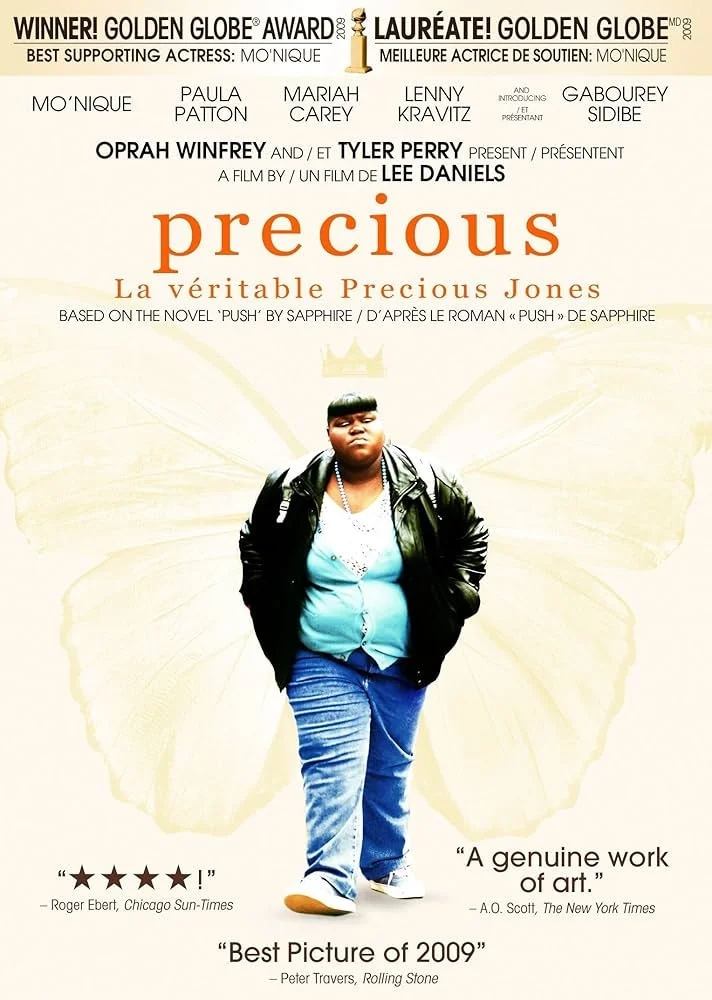
Lee Daniels occupies a fiercely contested space in contemporary American independent cinema, recognized for his unflinching gaze at societal margins. Emerging initially as a producer with works like Monster's Ball and later directing Shadowboxer, Daniels built a foundation on narratives that refuse to compromise. His trajectory shifted seismically with the release of Precious in 2009. Set in 1987 Harlem, the film established him as a director capable of transforming profound human suffering into essential cinematic events.
The ascension of Daniels from an independent producer to a marquee auteur was cemented at the Sundance Film Festival, where his work captured both the Audience Award and the Grand Jury Prize. This dual triumph signaled his unique ability to bridge critical rigor with visceral audience engagement. His early career is defined by a bold willingness to tackle controversial topics in cinema, pushing the boundaries of what is acceptable or comfortable for mainstream viewing.
His position in film history is further solidified by the high-profile advocacy his work attracts. When cultural titans like Oprah Winfrey attach themselves as executive producers after early screenings, it underscores the cultural weight of his narratives. Daniels is not merely a filmmaker. He is a provocateur whose works often transcend the medium to become cultural causes, forcing opinion-formers and general audiences to confront realities they might otherwise ignore.
Thematic Preoccupations
At the core of the cinematic universe crafted by Daniels lies an uncompromising examination of social issues, most notably the intersection of extreme poverty and systemic abuse. His films do not shy away from the grotesque or the painful. Instead, they position these elements front and center. He forces audiences to witness the harrowing realities of marginalized individuals, such as the illiterate, pregnant, and obese Harlem teenager at the center of Precious. This intense focus serves as a serious commentary on poverty, demanding that the viewer acknowledge the invisible underclass.
However, the thematic architecture of his work is built on the dichotomy of abuse and empowerment. Daniels is deeply invested in the mechanics of survival. His narratives meticulously chart heart-rending journeys to self-acceptance, illustrating how protagonists navigate unrelenting misery and despair. The suffering in his films is never entirely bleak, as it frequently acts as the crucible for a powerful portrayal of resilience. By documenting these heartbreaking and authentic experiences, he crafts gripping narratives that inspire without fully sanitizing the trauma.
A recurring obsession in his filmography is the challenging of societal norms through thought-provoking content. Daniels frequently tests the limits of representation, exploring how extreme hardship intersects with identity, race, and class. He repeatedly asks how individuals maintain their humanity when stripped of societal support. This thematic preoccupation results in captivating yet disturbing themes, where the quest for hope is hard-won, and uplifting narratives are earned through traversing the most challenging depths of human experience.
Stylistic Signatures
The visual language of Daniels relies heavily on complex and nuanced storytelling techniques that mirror the psychological turbulence of his characters. He frequently juxtaposes gritty, hyper-realistic portrayals of urban decay with moments of subjective, imaginative escape. This stylistic tension allows the audience to experience the crushing weight of the environment while simultaneously accessing the internal world of the protagonist. His mise en scene is often deliberately claustrophobic, emphasizing the inescapable nature of poverty and domestic abuse.
In his approach to cinematography and editing, Daniels employs an almost confrontational style. He challenges viewers with heroines who are initially difficult to observe, using unflinching close-ups and deliberate pacing to emphasize extreme misery. Yet, this harshness is counterbalanced by extraordinary cinematic achievements in framing and color palette when characters find moments of grace or fantasy. The stylistic signatures therefore oscillate between documentary-like rawness and lyrical subjectivity.
The use of sound and music in his films further heightens this emotional whiplash. Daniels utilizes auditory cues not merely as background, but as an active narrative force that underscores the journey from victimization to empowerment. The sonic landscapes often reflect the chaotic, overwhelming reality of the characters, only to resolve into sweeping, emotional scores during moments of triumph. This dynamic approach to audio-visual storytelling ensures that his films resonate as profound, visceral experiences that captivate enraptured audiences and critics alike.
Recurring Collaborators
While Daniels does not maintain a traditional, rigidly fixed ensemble of recurring cast members across his directorial efforts, his creative process is defined by transformative partnerships with his actors. He possesses a unique ability to cast against type, drawing remarkable narratives out of performers known for entirely different disciplines. The collaboration with global music icon Mariah Carey, who was stripped of her glamorous persona to play a pragmatic social worker, exemplifies his skill in subverting audience expectations and utilizing star power in service of gritty realism.
Furthermore, his reliance on discovering and nurturing raw talent is a hallmark of his collaborative approach. The introduction of remarkable newcomer Gabourey Sidibe in the titular role of his breakthrough feature demonstrates his commitment to authenticity over Hollywood convention. Daniels works closely with his leads to excavate deep wells of emotion, creating environments where actors can safely explore highly disturbing yet empowering experiences. These acting partnerships are the foundational pillars that allow his socially charged narratives to function.
Beyond the camera, his collaborations with influential industry figures have been instrumental in amplifying his vision. The partnership with executive producers like Oprah Winfrey proves crucial in navigating the independent film landscape. Such alliances provide the necessary financial and promotional muscle to ensure his small indie films reach a global audience. These strategic collaborations transform his challenging projects from niche art-house experiments into widespread cultural events, proving that his most vital partnerships often occur in the realm of advocacy and distribution.
Critical Standing
The critical reputation of Lee Daniels is characterized by intense polarization and passionate debate. His emergence on the festival circuit, particularly his triumphs at Sundance, initially secured his status as a darling of independent cinema. Early responses were overwhelmingly positive, with films earning glowing reviews and serious Oscar contention. Many critics celebrated his uncompromising vision, noting that his work prompted whole cinemas to stand and cheer. For a significant portion of the critical establishment, his films are hailed as extraordinary cinematic achievements that bravely address controversial topics.
Conversely, his standing within critical discourse is also defined by fierce backlash and skepticism. Certain analytical factions argue that his approach borders on exploitation, labeling his work a sociological horror show. Critics from publications like Slant Magazine have famously argued that his narratives do not reflect human tragedy but rather a condescending perspective that emphasizes only the worst in human nature. This dividing line in film criticism centers on whether his work confronts or merely flatters the prejudices of liberal audiences, making him one of the most divisive auteurs of his generation.
Despite, or perhaps because of, this controversy, his place in cinema history remains highly relevant. Daniels forces swift and decisive verdicts from viewers and public figures alike, sparking engaging discussions around controversial films. The reaction of Black audiences and opinion-formers to his portrayals of the African American experience continues to generate vital sociological and cinematic discourse. Over time, his critical standing has evolved from a celebrated independent voice to a complex, heavily scrutinized filmmaker whose polarizing works demand rigorous, continued analysis.