Career Overview
Marc Forster occupies a distinct space in contemporary cinema, balancing studio filmmaking with deeply humanistic, emotionally resonant narratives. His trajectory reveals a director fascinated by the interior lives of creators and the intersection of reality and imagination.
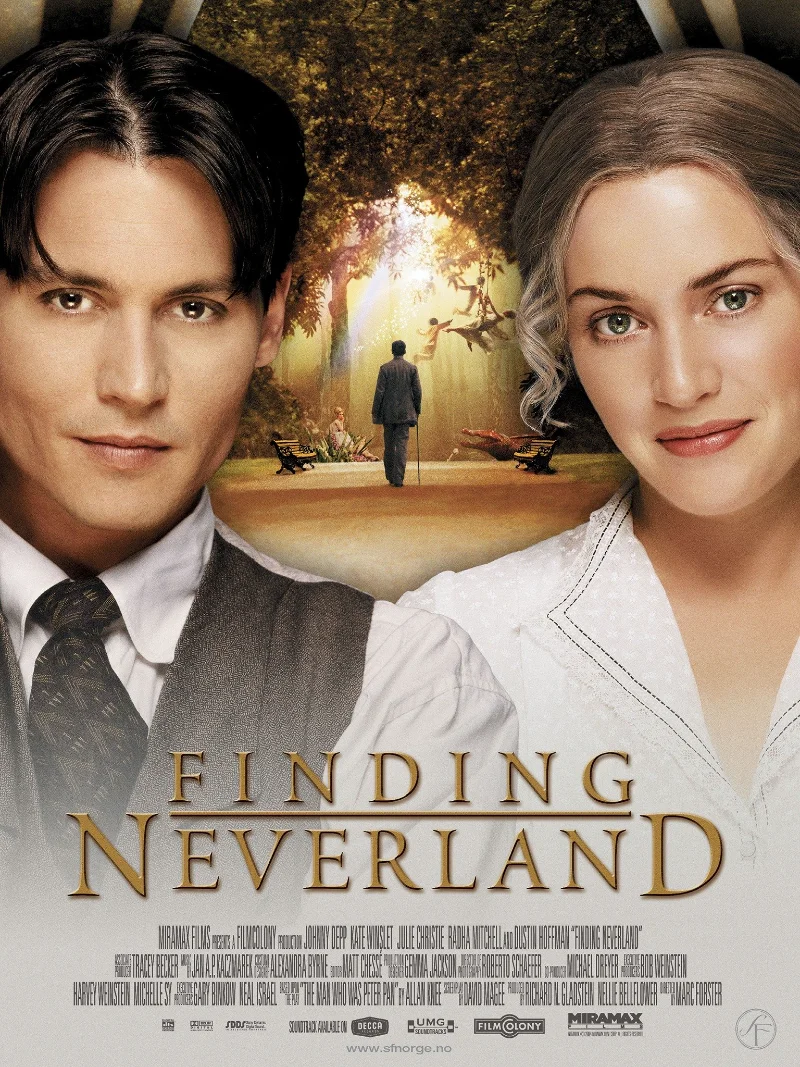
While his career spans numerous genres, his work on Finding Neverland cemented his reputation as a filmmaker capable of translating complex psychological states into accessible, mainstream cinema. Forster emerged as a storyteller interested in the mechanics of inspiration and the personal costs of artistic creation.
His position in cinema history is often characterized by this adaptability. By focusing on the biographical drama of J.M. Barrie, Forster situates himself among directors who investigate the origins of myth. He navigates the delicate territory between historical biography and magical realism, shaping a career defined by a willingness to explore the boyish charm and underlying melancholy of fantasist figures.
Thematic Preoccupations
Forster consistently interrogates the relationship between love and artistic creation. In his exploration of the creative process, he views imagination not merely as an escape, but as a vital mechanism for survival. This thematic preoccupation is most vividly realized in his examination of childhood themes, where the innocence of youth serves as a catalyst for adult inspiration.
The tension between reality and fantasy forms the philosophical core of his work. Forster explores how a tethered fantasist interacts with a world that demands conformity. The pan-like character traits he highlights in his protagonists suggest a mischievousness and fantasy that rebel against societal expectations, asking profound questions about what it means to truly grow up.
Furthermore, Forster delves into the emotional alchemy of grief and joy. His narratives frequently pivot on moving and thoughtful explorations of loss, which in turn feed the artistic drive. The magical and warm atmosphere he cultivates serves as a protective barrier against the harsh realities his characters face, making the act of creation a deeply personal and redemptive endeavor.
Stylistic Signatures
The visual language of Forster is defined by a gently seductive storytelling approach that merges period authenticity with moments of magical realism. He employs a warm, almost glowing mise-en-scene to reflect the internal inspiration of his characters. This technique transforms mundane settings into landscapes of potential, mirroring the imaginative leaps of the protagonist.
His cinematographic tendencies favor a perspective that aligns the viewer with both the adult creator and the inner child. This duality is achieved through remarkable and surprising moments of visual invention, where everyday objects and environments seamlessly morph into fantastical elements. The pacing of his editing supports this, allowing moving and thoughtful narratives to unfold with a deliberate, tender rhythm.
Sound and music in Forster's cinema are utilized to amplify the unabashedly boyish charm and emotional stakes of the narrative. While some critics note that this approach can occasionally verge on cloying elements, at its best, it results in a successful artistic expression that envelops the audience. The sonic landscape underscores the mischievousness of the fantasy, anchoring the flights of imagination in genuine emotional resonance.
Recurring Collaborators
Within the scope of his exploration of artistic creation, Forster relies heavily on dynamic lead performances to anchor his fantastical elements. While he does not maintain a traditional repertory company of recurring cast members, his intense, focused collaborations with key actors on individual projects define his creative output. The success of his vision is inextricably linked to the performers who embody his complex, pan-like protagonists.
The partnership between Forster and his leading men, such as the widely praised interpretation of J.M. Barrie, highlights a shared commitment to uncovering the tethered fantasist within. These actors bring a believable and acceptable emotional weight to the mischievousness and fantasy required by the script. The director provides a safe, collaborative space for actors to access a vulnerability that is essential to the moving and thoughtful narratives.
Furthermore, Forster's reliance on skilled production designers and cinematographers is crucial to realizing his gently seductive storytelling. The creation of a magical and warm atmosphere demands a synchronized effort from his below-the-line crew. This collective artistic expression ensures that the visual translations of childhood themes and cinematic influences resonate with audiences and critics alike.
Critical Standing
The critical reception of Marc Forster is characterized by a polarized but largely respectful discourse. His reputation frequently hinges on his ability to elicit remarkable performances and craft surprisingly moving narratives. Champions of his work highlight his success in rendering the creative process palpable, praising the warm, glowing visual aesthetics he brings to biographical dramas.
However, his standing within critical circles is not without its detractors. Skeptics argue that his films can sometimes feel handicapped by their own success, pointing to cumbersome and cloying elements that weigh down the narrative. Publications like Slant Magazine have noted instances where his odes to imagination struggle to get off the ground, suggesting an over-reliance on sentimentality.
Despite these criticisms, Forster maintains a solid position in contemporary cinema as a purveyor of unabashedly boyish charm and tender emotionality. His interpretations of beloved figures and themes continue to draw comparisons to other stylized character studies. Ultimately, his critical legacy is that of a filmmaker who fearlessly tackles the intersection of love, childhood, and artistic inspiration, even if the results occasionally divide the critical establishment.