Career Overview
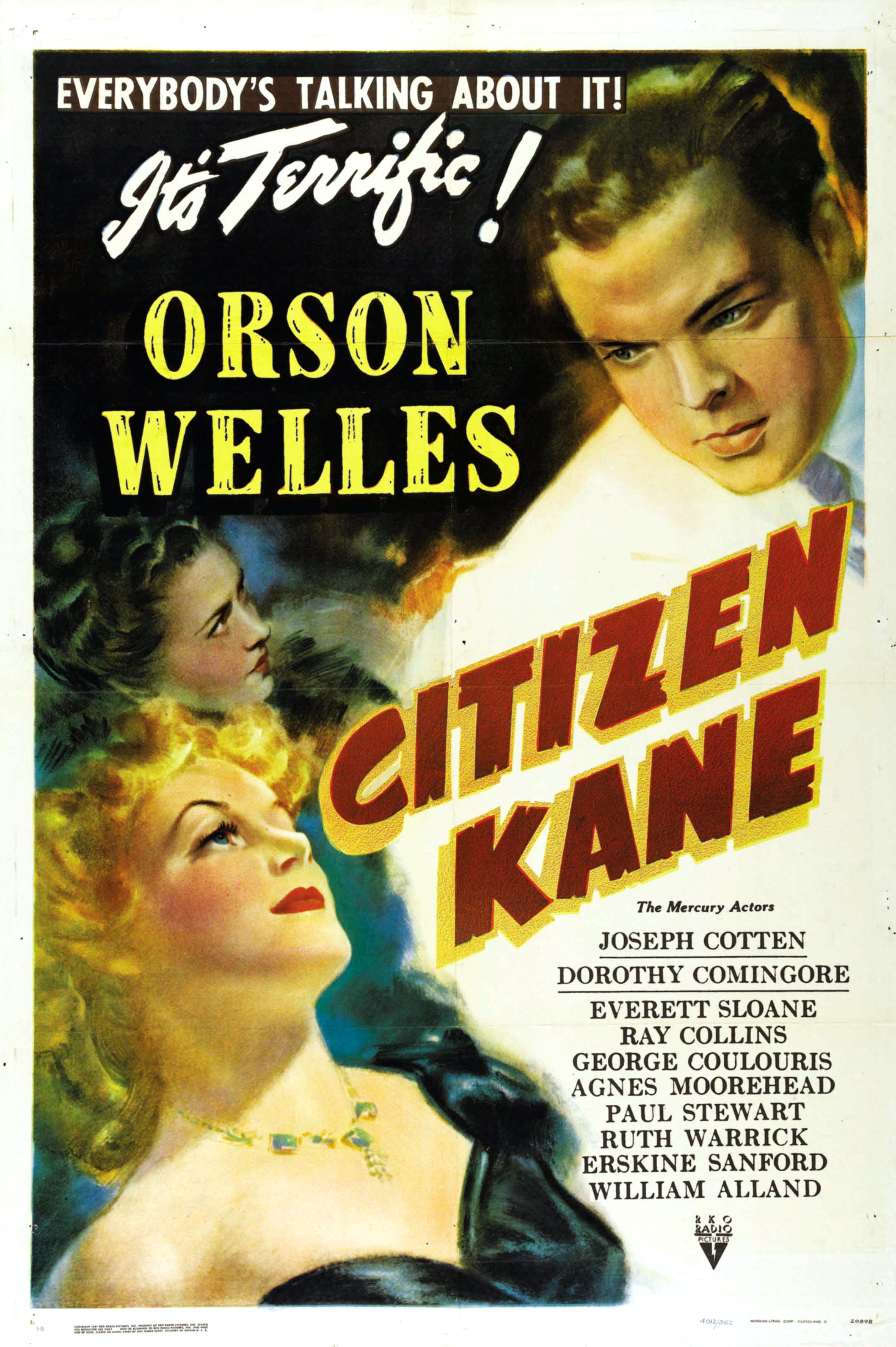
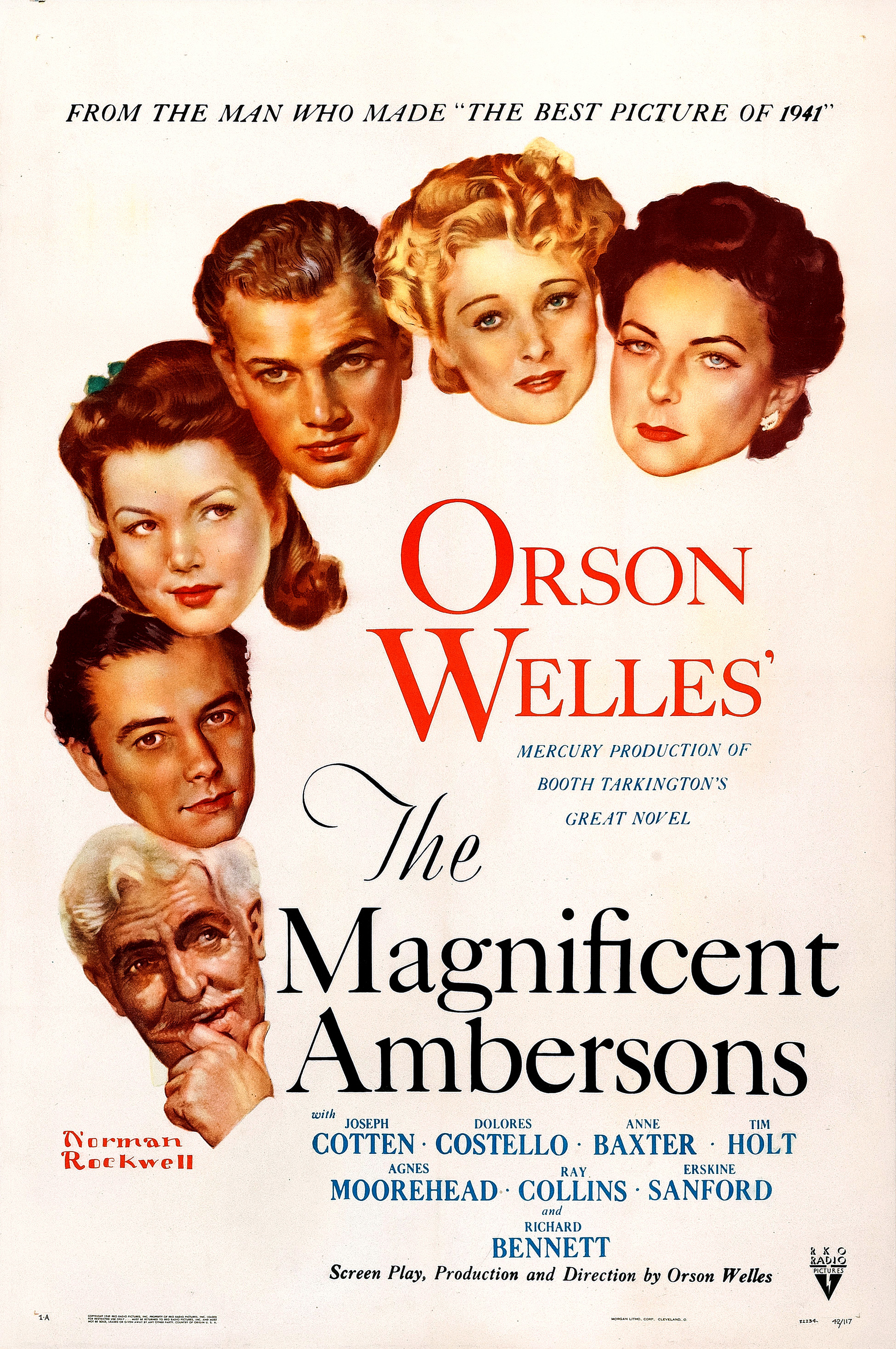
Orson Welles occupies an almost mythical space in the pantheon of American cinema. Arriving in Hollywood as a boy genius fresh from theatrical and radio triumphs, he revolutionized the medium with his debut feature. His background in stagecraft and auditory storytelling heavily informed his visual vocabulary, allowing him to approach cinema without the traditional constraints that bound studio filmmakers of the era. The trajectory of his career is intrinsically linked to the monumental release of Citizen Kane in 1941. Tasked with unprecedented creative control by RKO Pictures, Welles poured every ounce of his prodigy status into a film that would serve as a structural blueprint for modern cinema. The sheer audacity of his debut established him as a master of the form, though it also set an impossibly high standard that would shadow his subsequent endeavors. Consequently, his career arc became a complex tapestry of profound cinematic achievements and fraught studio battles. Reviewers often contrast his seminal debut with later masterpieces like The Magnificent Ambersons, noting a career defined by both breathtaking ambition and industrial resistance. Even so, his foundational work cemented his legacy as a titan of storytelling, forever altering the expectations placed upon the cinematic auteur.
Thematic Preoccupations
The thematic bedrock of the cinema of Orson Welles centers on the intricate dynamics of power and corruption. By investigating the life of a media magnate, his work scrutinizes the hollow pursuit of the American Dream. He persistently questions how immense wealth and influence ultimately foster profound loss and isolation. This fascination with megalomania exposes the fragility of human connection within the corridors of absolute authority. Closely intertwined with these explorations of power is an obsession with nostalgia and memory. Critics frequently draw comparisons to The Great Gatsby, highlighting a shared preoccupation with unfulfilled desires and the inescapable gravity of the past. Characters are often haunted by lost innocence, grasping at elusive fragments of their personal identity as they navigate an increasingly cynical world. The poignant recollection of a girl in a white dress on a Jersey ferry serves as a perfect encapsulation of this yearning for fleeting, idealized moments. Furthermore, Welles demonstrates a prescient understanding of media influence and its capacity to construct or dismantle reality. The manipulation of truth remains a vital philosophical concern throughout his narratives. His stories are driven by the search for meaning, only to reveal that subjective truths are invariably fragmented and inherently complex.
Stylistic Signatures
The visual language cultivated by Welles is fundamentally groundbreaking, characterized by an innovative narrative structure that shattered linear conventions. His cinematic approach thrives on deep focus cinematography, allowing multiple planes of action to unfold simultaneously within a single frame. This technique not only maximizes the density of the mise en scene but also forces the audience to actively navigate the visual space, echoing the complex psychology of his characters. The atmospheric tension in his work is further amplified by expressionistic lighting and extreme camera angles. By utilizing dramatic chiaroscuro and shooting from notably low perspectives, Welles crafts a haunting atmosphere that visually manifests the looming presence of his subjects. This stylistic grandiosity directly mirrors the immense egos and the suffocating isolation inherent in his thematic explorations. Auditory design plays an equally critical role in his stylistic repertoire. Drawing heavily from his extensive background in radio production, Welles pioneered overlapping dialogue and sophisticated audio bridges. These techniques create a relentless, immersive rhythm that propels the narrative forward while layering the soundtrack with realistic, cacophonous energy. Combined with masterful editing that freely leaps across time, his aesthetic signatures continue to define the very essence of a modern cinematic experience.
Recurring Collaborators
The realization of the ambitious vision of Orson Welles relied heavily on a trusted circle of creative collaborators, primarily drawn from his Mercury Theatre company. These actors, many of whom were making their cinematic debuts alongside their director, brought a distinct theatrical rigor and naturalistic vocal delivery to the screen. Their collective experience in radio allowed them to execute the complex overlapping dialogue that became a hallmark of the auditory style of the director. Performers such as Everett Sloane provided crucial emotional anchors amidst the stylistic bravado. The delivery by Sloane of quiet, poignant monologues offered a deeply human counterbalance to the overarching themes of megalomania and media corruption. These ensemble members were essential in grounding the overarching narrative, ensuring that the exploration of wealth and power retained a palpable sense of human loss. Behind the camera, the symbiotic partnership with visionary cinematographers was vital to achieving his groundbreaking visual aesthetic. The execution of unprecedented deep focus photography and complex tracking shots required technicians who were willing to dismantle established Hollywood rules. Together with his dedicated ensemble, these creative alliances allowed Welles to transcend the limitations of traditional studio filmmaking and forge an entirely new cinematic vocabulary.
Critical Standing
The critical standing of Orson Welles rests on an undisputed cultural benchmark, with Citizen Kane widely regarded by publications like Empire Magazine as the greatest film of all time. Upon its release, Variety hailed it as the most exciting film to emerge from Hollywood in a quarter century, praising a capacity for surprise that begins with the very first frame. This initial acclaim recognized a revolutionary talent who fundamentally rewired the grammar of motion pictures. However, the critical reception of his work has not been entirely monolithic. Recent discoveries of dissenting historical reviews demonstrate that his haunting atmosphere and complex characters alienated some contemporary critics who wished his narratives would let a little sunshine in. Furthermore, provocative details, such as Slant Magazine noting the vulgar origins of the famous Rosebud moniker, highlight the subversive undercurrents that continue to spark critical debate. Today, Welles is a fixture in critical discourse, his debut serving as an eternal standard against which subsequent masterpieces, like The Godfather, are measured. Scholars and critics continually mine his work for its timeless themes and innovative storytelling. Ultimately, his legacy is that of an uncompromising artist whose cinematic vocabulary remains essential, studied, and revered by filmmakers and cinephiles around the globe.