Career Overview
Peter Ramsey occupies a distinct and transformative space in contemporary American animation. Rising through the ranks of live action storyboarding and illustration, Ramsey developed a keen spatial awareness and an acute understanding of visual narrative before stepping into the director seat. His transition from traditional storyboarding to animation directing allowed him to bridge the gap between kinetic cinematic pacing and limitless graphical expression, positioning him as a vital bridge between mediums.
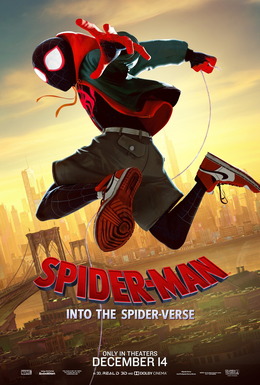
With his codirectors on Spider-Man: Into the Spider-Verse, Ramsey helped usher in a profound paradigm shift in studio animation. Prior to this release, mainstream western animation had largely settled into a homogenized aesthetic dominated by photorealistic computer graphics. Ramsey and his collaborators shattered this stylistic stagnation by proving that commercial animation could embrace the textural, expressionistic qualities of traditional media while still leveraging cutting edge digital technology.
His position in cinema history is inextricably linked to this revitalization of the animated blockbuster. By demonstrating that mainstream audiences would overwhelmingly embrace radical aesthetic experimentation, Ramsey has become a pivotal figure in modern cinematic art. His work serves as a definitive turning point, separating the era of safe, uniform computer graphics from a new wave of bold, artist driven visual storytelling that continues to influence the industry.
Thematic Preoccupations
A central preoccupation in Ramsey's cinematic work is the modern reinterpretation of the classic hero's journey. Rather than relying on the tired tropes of predetermined destiny and unearned exceptionalism, Ramsey grounds his protagonists in relatable vulnerability and the necessity of character development. In Spider-Man: Into the Spider-Verse, the narrative focuses heavily on the psychological burden of expectations and the communal aspect of heroism. The film posits that greatness is not an isolated phenomenon but a shared, multifaceted experience.
The concept of the multiverse serves as a dominant thematic vehicle for Ramsey. Beyond its utility as a science fiction trope, this multiverse exploration acts as a profound metaphor for identity, belonging, and existential potential. By colliding different iterations of the same archetypal character, Ramsey explores how personal choices, cultural backgrounds, and varying traumas shape individual identity. This allows for a nuanced deconstruction of what it means to be a hero in a fractured, contemporary world.
Furthermore, Ramsey's thematic concerns are deeply intertwined with a self aware comic book homage that respects the medium itself. He does not merely adapt comic book narratives but rigorously interrogates their fundamental structures. His inventive storytelling acknowledges the history of the genre while simultaneously subverting its limitations. Through witty humor and a deep respect for the source material, Ramsey creates narratives that ask fundamental questions about how modern mythologies are built and sustained in popular culture.
Stylistic Signatures
Ramsey's stylistic signature is defined by a bold expressionistic approach that aggressively challenges the visual norms of commercial animation. His most celebrated work is routinely described by critics as a visual feast and a kaleidoscopic triumph, characterized by a deliberate refusal to adhere to photorealism. Instead, he embraces the elastic properties of comic books. This translates into a cinematic language where characters and environments are rendered with visible halftone patterns, line art, and vibrant, saturated colors that mimic the tactile feel of printed paper.
The editing rhythms and cinematographic choices in Ramsey's work are incredibly kinetic, frequently drawing critical comparisons to the hyperactive energy of Speed Racer. The animation relies on a trippy visual style that manipulates frame rates to emphasize emotional weight and physical impact. By animating certain characters on twos (one drawing every two frames) while keeping the camera moving on ones, Ramsey creates a staccato, syncopated rhythm that visually represents a character's lack of confidence, which then smooths out as they gain physical mastery over their newly discovered abilities.
Mise-en-scene in a Ramsey project is densely layered, packing every frame with witty visual gags, comic book homages, and textural details that reward multiple viewings. His approach to framing often utilizes dynamic, extreme angles pulled straight from the splash pages of graphic novels. Combined with unique voice acting that feels grounded rather than cartoonishly exaggerated, Ramsey crafts an atmosphere of giddy adventure. His films blur the line between the moving image and the static page, resulting in thrilling animation that feels entirely his own.
Recurring Collaborators
Because animation is inherently a deeply collaborative medium, Peter Ramsey's successes are often achieved in tandem with highly skilled codirectors, writers, and producers. On Spider-Man: Into the Spider-Verse, Ramsey worked closely with codirectors Bob Persichetti and Rodney Rothman. This directorial triumvirate was essential in managing the massive scope of the project, allowing each director to bring their specific expertise in visual design, narrative structure, and comedic timing to the forefront of the production.
The overarching creative partnership with producers Phil Lord and Christopher Miller is also a vital component of Ramsey's cinematic output. The tonal similarities to The LEGO Movie noted by critics stem directly from this highly fruitful partnership. Lord and Miller's penchant for self referential humor and postmodern narratives provided the perfect structural foundation for Ramsey's visual ambitions. Together, they cultivated a studio environment where bold aesthetic risks were not just tolerated but actively encouraged and refined.
While Ramsey does not have a stable of recurring cast members identified across multiple independent projects, his work relies heavily on casting actors who can deliver a specific, grounded emotional resonance. The standout performances in his films are achieved through unique voice acting that prioritizes naturalistic delivery over exaggerated, theatrical caricature. This specific approach to performance grounds the kaleidoscopic visuals in genuine human emotion, ensuring that the characters never get lost in the overwhelming stylistic spectacle.
Critical Standing
Peter Ramsey occupies a highly respected and arguably revolutionary position within contemporary film criticism. Upon the release of Spider-Man: Into the Spider-Verse, critical consensus coalesced around the film as a watershed moment for the medium. Major critical outlets have heralded his work as definitive proof that the full potential of comic book movies can only be attained through animation, a sweeping statement that underscores his immense impact on both the ubiquitous superhero genre and animated cinema as an art form.
Critics frequently praise Ramsey for rescuing the superhero genre from a repetitive, endlessly recurring cinematic multiverse of fatigue. By quintupling down on the origin story conceit, reviewers noted that he successfully bypassed audience exhaustion and delivered a surprisingly necessary chapter in an overcrowded franchise. His critical reputation is firmly built on this uncanny ability to take familiar, heavily commodified intellectual property and inject it with an inventive, dreamlike quality that feels completely unprecedented to audiences and critics alike.
As his career has progressed, Ramsey's standing has evolved from a dependable industry veteran to a true cinematic visionary. The frequent critical comparisons to boundary pushing films like Speed Racer and The LEGO Movie highlight his place within a specific lineage of pop art cinema that seamlessly merges hyper kinetic visuals with profound emotional intelligence. Today, Ramsey is widely recognized by critics and scholars as a filmmaker who fundamentally changed the visual vernacular of mainstream animation, leaving an indelible mark on the landscape of modern cinema.