Career Overview
Robert Wise occupies a fascinating space in cinema history. He began his career as a highly regarded film editor working within the RKO studio system. His early experiences cutting masterworks for Orson Welles instilled in him a rigorous understanding of cinematic structure and narrative pacing. This technical foundation would serve him well as he transitioned into the director seat, allowing him to navigate complex studio productions with remarkable efficiency.
As his career developed, Wise established himself as a versatile craftsman capable of handling a wide array of genres. Rather than adhering to a singular auteurist vision, he adapted his stylistic approach to suit the material at hand. This adaptability eventually led him to the realm of the large-scale studio musical in the 1960s, a genre he would ultimately dominate. His background in editing proved crucial in managing the massive logistical demands of these expansive productions.
Wise is often positioned as a pivotal figure who bridged the classical Hollywood era and the shifting cultural landscape of the late twentieth century. His ability to deliver massive commercial successes cemented his status as a reliable studio filmmaker. While some auteur theorists have historically overlooked his contributions due to his lack of a conspicuous personal signature, contemporary scholars increasingly recognize his extraordinary technical mastery and his profound impact on the evolution of American cinema.
Thematic Preoccupations
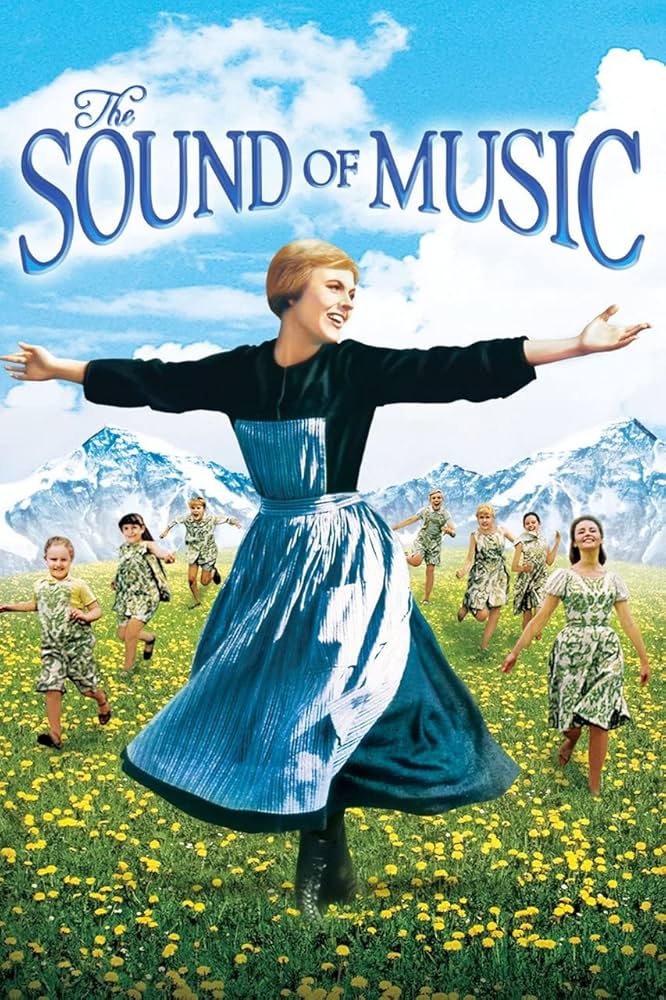
A recurring preoccupation in the filmography of Robert Wise is the intersection of nostalgia and personal connection. In his monumental productions, particularly The Sound of Music, he explores how individuals navigate shifting cultural landscapes. The thematic core often revolves around musical excellence and heritage, using song as a mechanism for both personal expression and communal survival. The characters frequently find solace in traditional values, creating a cultural nostalgia that resonates deeply with audiences.
Beneath the surface of what is frequently described as sweet and sentimental, Wise weaves complex political undertones. The films often contrast innocent domesticity with encroaching authoritarianism. As reviewers have pointed out, the narrative urgently needs the stakes-raising intrusion of the Nazis in its second half to provide a counterbalance to the earlier lightness. This structural choice highlights a recurring philosophical concern regarding the intrusion of historical trauma into private lives.
Furthermore, his work constantly negotiates the boundary between sentimentality and tastefulness. While there is an undeniable element of occasional indulgence, Wise uses these emotional beats to construct an enduring and iconic mythology. Philosophical insights by Slavoj Zizek suggest that this very sentimentality functions as a complex ideological framework. Wise creates a cinematic reality where timelessness in film is achieved by balancing profound cultural impact with an accessible, emotionally resonant core.
Stylistic Signatures
The visual language of Robert Wise is defined by precise craftsmanship and a majestic sense of scale. Drawing heavily from his background in the editing room, his directorial approach emphasizes spatial clarity and rhythmic pacing. In The Sound of Music, he utilizes sweeping aerial photography to establish a breathtaking geographic context before seamlessly transitioning into intimate, character-driven interiors. This dynamic contrast between the epic and the personal is a hallmark of his mise-en-scène tendencies.
His cinematographic choices often prioritize clarity and classical composition over flashy experimentation. Wise favors deep focus and deliberate camera movements that naturally guide the eye of the viewer without calling undue attention to the apparatus itself. The lighting is frequently highly polished, contributing to the timeless and classic aesthetic that defines his most celebrated work. His restrained, tasteful framing ensures that the emotional weight of the scene remains rooted in the performances.
The integration of sound and music represents perhaps his most significant stylistic signature. Music in a Wise film is rarely merely incidental. It functions as a structural pillar that dictates the editing rhythms and camera blocking. He shoots musical numbers with a fluidity that elevates the greatest musical traditions of Hollywood, allowing the choreography to dictate the cuts. This meticulous synchronization of sound and image results in set pieces that are both technically flawless and deeply moving.
Recurring Collaborators
Unlike many prominent directors who built their legacies alongside a fixed repertory company of actors, Robert Wise operated predominantly as a studio professional who tailored his casting to the specific demands of each project. Within the context of his most celebrated musicals, there are no frequently recurring cast members identified across multiple films. Instead, Wise possessed a remarkable talent for assembling the precise ensemble required to execute his grand visions, often blending established theatrical veterans with emerging screen talent.
His true recurring collaborations occurred behind the camera. Given his origins as an editor, Wise cultivated deep creative partnerships with cinematographers, production designers, and choreographers. These alliances were essential for managing the immense scale of his productions. His ability to delegate and collaborate effectively allowed him to maintain a consistent standard of visual and auditory excellence, ensuring that the musical arrangements and geographic locations worked in perfect harmony.
The success of these behind-the-scenes collaborations is evident in the enduring quality of his work. By working closely with top-tier musical directors and lyricists, Wise ensured that the musical heritage of his films was presented with absolute fidelity. The seamless integration of music and narrative in The Sound of Music stands as a testament to his collaborative spirit, proving that his greatest strength lay in synthesizing the efforts of hundreds of artists into a single, cohesive cinematic experience.
Critical Standing
The critical reputation of Robert Wise has undergone significant evolution, characterized by a persistent tension between popular adoration and highbrow skepticism. For decades, films like The Sound of Music have been celebrated as some of the greatest screen musicals ever produced. They function as an enduring holiday tradition, with critics noting that no Christmas day would be complete without spending the afternoon falling asleep in front of his sweeping epics. However, this mainstream ubiquity has sometimes led to accusations of saccharine commercialism.
Critical commentary by figures such as Pauline Kael frequently targeted the sweet and sentimental tone of his work, arguing that it occasionally slipped into pure indulgence. Some reviewers have echoed this sentiment, describing his most famous film as flawed yet enduring, and comparing it to Mont Blanc in that it is quite enjoyable if you can keep it down. Many modern critics admit they can face the overwhelming sweetness only about once a year, viewing the film as a cultural monolith that commands respect rather than unqualified critical love.
In recent years, the critical standing of Wise has deepened through comparative analysis and academic reevaluation. Scholars routinely contrast his musicals with contemporaneous works like Mary Poppins to explore differing philosophies of family entertainment. Furthermore, philosophical insights by Slavoj Zizek have highlighted the complex political undertones hidden beneath the cheerful surface of his films. Ultimately, Wise is recognized as a master technician whose tasteful execution and rhythmic precision created works of undeniable timelessness and monumental cultural impact.