Career Overview
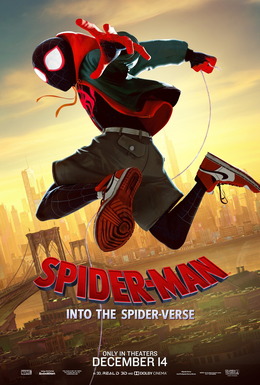
Rodney Rothman occupies a singular space in modern cinema, having helped architect one of the most significant paradigm shifts in contemporary animation. His transition into the directorial sphere marked a pivotal moment for mainstream animated features. Before his breakout directorial effort, the landscape of studio animation had largely settled into a comfortable, photorealistic uniformity. Rothman, working alongside co-directors Bob Persichetti and Peter Ramsey, violently disrupted this aesthetic stagnation with the release of Spider-Man: Into the Spider-Verse.
His career trajectory demonstrates a keen understanding of genre mechanics and comedic timing, skills that translated seamlessly into the complex machinery of high-budget animation. By stepping into the director chair for such a massive intellectual property, Rothman took on the immense pressure of navigating superhero fatigue. Critics noted that cinematic adaptations of comic books had become repetitive, but Rothman approached the material with a fresh, iconoclastic energy that redefined audience expectations.
Today, Rothman is viewed as a pioneer of the current animation renaissance. His work on Spider-Man: Into the Spider-Verse stands as a watershed moment in the medium. It proved that four-quadrant studio films could still be vehicles for radical artistic experimentation. His position in cinema history is inextricably linked to this definitive triumph, which challenged rival studios to abandon safe visual formulas and embrace genuine stylistic risk.
Thematic Preoccupations
A central preoccupation of Rothman is the modernization and deconstruction of the hero's journey. In Spider-Man: Into the Spider-Verse, the narrative focuses on necessary character development by exploring the anxieties of adolescence through a mythological lens. Rothman interrogates what it means to assume a mantle of responsibility in a chaotic world. The thematic core suggests a democratization of heroism, proposing that greatness is not an exclusive birthright but a shared potential residing in the marginalized and the ordinary.
The exploration of the multiverse concept serves as the primary philosophical framework for this thematic inquiry. Rather than utilizing alternate realities as a simple plot device, Rothman employs multiverse exploration to externalize the internal conflicts of his protagonists. The collision of different dimensions forces characters to confront alternate versions of themselves, prompting profound questions about identity, fate, and the malleability of destiny. This existential mirroring creates a dense narrative tapestry that rewards rigorous critical analysis.
Furthermore, his work operates as a deeply self-aware comic book homage, engaging in inventive storytelling that frequently blurs the line between text and metatext. Rothman examines the relationship between the creator, the medium, and the audience. He balances this structural commentary with a grounding emotional sincerity, ensuring that the witty humor never undermines the stakes of the narrative. This delicate balance between irony and earnestness represents a defining hallmark of his thematic approach.
Stylistic Signatures
The visual language of Rodney Rothman is characterized by a bold expressionistic approach that aggressively rejects the pursuit of photorealism. His cinematic aesthetic is frequently described as a visual feast, relying on kaleidoscopic visuals that overwhelm the senses in the tradition of Speed Racer. By integrating the static visual lexicon of printed comics with the kinetic possibilities of cinema, Rothman crafts a hybrid style that feels entirely unprecedented. He utilizes halftone patterns, visible Ben-Day dots, and dynamic paneling to create a moving painting that honors its pulp origins.
This trippy visual style is achieved through an intense manipulation of frame rates and character rendering techniques. Rothman frequently alters the frame rates of specific characters to mimic the stuttering, visceral impact of hand-drawn animation, while allowing the surrounding environment to move with fluid, computer-generated grace. This clash of textures creates a thrilling animation experience that embraces the elastic properties of comics. It allows characters to warp, stretch, and contort in ways that heighten the emotional resonance of the scene.
Beyond the imagery, his stylistic signatures extend to a kinetic editing rhythm and a hyperactive sound design. Rothman choreographs action sequences with an unrelenting momentum, pairing giddy adventure with perfectly timed comedic beats. The synchronization of unique voice acting performances with these frantic visuals results in a deeply immersive atmosphere. The standout performances from his vocal cast are carefully mapped to the expressionistic character models, anchoring the psychedelic imagery with profound human vulnerability.
Recurring Collaborators
The medium of animation is inherently collective, and Rothman achieved his critical breakthrough through a vital partnership with co-directors Bob Persichetti and Peter Ramsey. This directorial triad operated as a unified creative brain trust, blending their respective backgrounds in narrative comedy, storyboard artistry, and animated action. Their collaboration proved essential in marshaling the massive teams of animators required to execute such a complex vision, resulting in a cohesive film that never feels fractured by its multiple authors.
While standard live-action auteurs often rely on recurring physical performers, Rothman builds his cinematic universe alongside visionary producers and writers. The conceptual DNA of his work shares a profound kinship with the architects behind The LEGO Movie, reflecting a shared lineage of subversive studio filmmaking. This creative ecosystem fosters a highly specific tone, one that blends irreverent, rapid-fire humor with astonishing formal innovation. The structural similarities between these projects highlight a collaborative dedication to deconstructing corporate intellectual property from the inside out.
Regarding performance, the database indicates no formally recurring cast members across a wider filmography, but Rothman exhibits a clear casting philosophy within his collaborative projects. He consistently seeks out eclectic ensembles capable of delivering unique voice acting that transcends standard cartoon delivery. His process involves collaborating closely with actors who can provide emotionally grounded, standout performances amidst a whirlwind of visual chaos. This approach to vocal collaboration ensures that the spectacular animation is always tethered to raw, authentic humanity.
Critical Standing
The critical reputation of Rodney Rothman rests on a foundation of near-universal acclaim for his contribution to modern animation. Reviewers and scholars alike view his foray into the superhero genre not as another cog in the studio machine, but as a surprisingly necessary chapter that revitalized a stagnant landscape. Critics have frequently noted that prior to his work, audience fatigue had begun to set in, with massive franchises feeling like a repetitive, endlessly recurring multiverse. Rothman cured this cinematic malaise through sheer inventive audacity.
Highbrow publications like Slant Magazine have offered immense praise, positing that his work may be definitive proof that the full potential of comic book movies can only be attained through animation. This is a monumental critical elevation, shifting the discourse around comic adaptations from simple popcorn entertainment to legitimate avant-garde art. Reviewers frequently compare the chaotic, joyful energy of his cinema to the groundbreaking work found in The LEGO Movie and the visual maximalism of Speed Racer.
Ultimately, Rothman occupies a rare and enviable position in contemporary film criticism. He is celebrated simultaneously as a master entertainer and a formal boundary pusher. By taking properties that could have been dismissed as cynical corporate cash grabs and transforming them into profound visual poetry, he has secured a lasting legacy. Critics recognize his directorial output as a touchstone of twenty-first-century cinema, establishing a stylistic benchmark that will be studied by film students and animators for generations to come.