Career Overview
Scott Hicks established himself as a prominent figure in international cinema through a careful blend of psychological insight and accessible narrative structure. Emerging from the Australian film industry, Hicks spent his early career honing a documentary and narrative craft that would eventually culminate in widespread global recognition. His trajectory represents a compelling synthesis of regional filmmaking and universal thematic resonance.
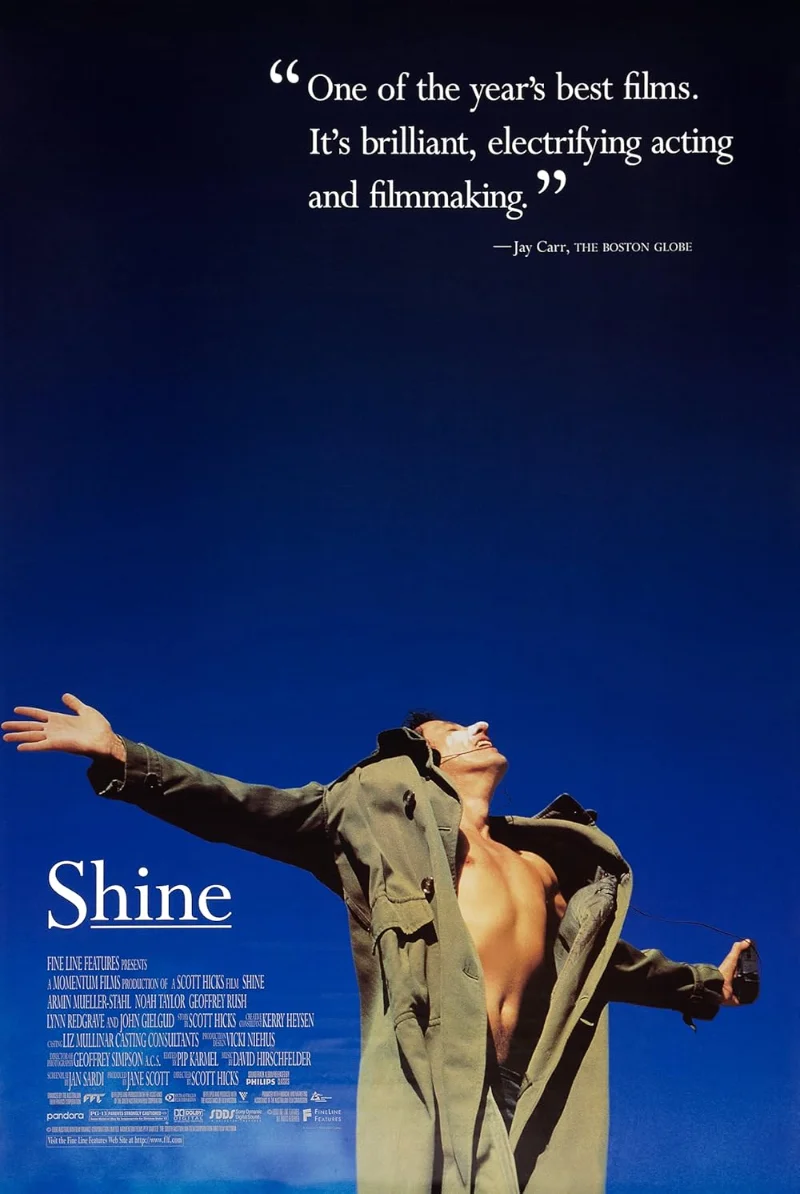
His definitive breakthrough came in 1996 with Shine, a biographical drama that immediately elevated his position in cinematic history. Prior to this landmark release, Hicks worked steadily within the Australian television and film sectors, developing an observational eye that would serve his later character studies. When Shine reached international audiences, it signaled the arrival of a director capable of navigating profound emotional depths while retaining a classical cinematic grandeur.
Today, Hicks occupies a distinct space in modern cinema as a craftsman of deeply humanistic stories. Critics often view his career as a testament to the enduring power of old-fashioned Hollywood storytelling techniques applied to complex psychological subjects. By anchoring his narratives in authentic emotional experiences, Hicks has maintained a reputation as a filmmaker who prioritizes the delicate nuances of human resilience over stylistic indulgence.
Thematic Preoccupations
The cinema of Scott Hicks is persistently anchored by deep explorations of mental illness and personal struggle. He exhibits a profound philosophical interest in the fragile boundary between transcendent brilliance and psychological collapse. In his most celebrated work, he repeatedly returns to the figure of the savant or the tormented artist, questioning how exceptional talent often exacts a devastating toll on the human mind. This thematic obsession transforms his narratives into intricate psychological landscapes where mental illness is not merely a plot device but a central existential condition.
Family dynamics and conflict form the vital secondary layer of his thematic preoccupations. Hicks frequently investigates the toxic intersections of love, control, and ambition within domestic spheres. The archetype of the domineering patriarch is a recurring motif, serving as both a catalyst for the protagonist's trauma and an obstacle to their personal autonomy. Through these rich family relationships, Hicks analyzes how generational expectations can simultaneously nurture musical genius and inflict lasting emotional wounds on vulnerable individuals.
Ultimately, his filmography is defined by powerful and inspiring storytelling centered on personal redemption arcs. Despite the harrowing detailed explorations of trauma that characterize his narratives, Hicks fundamentally believes in the possibility of healing. His characters endure intense emotional experiences and mental breakdowns, yet they often navigate their way toward a fragile but profound restoration. This consistent focus on recovery aligns his work with classic narratives of survival, suggesting that art and authentic human connection can serve as antidotes to profound psychological distress.
Stylistic Signatures
Visually, Scott Hicks employs a style that embraces both classical Hollywood elegance and intimate psychological realism. His cinematographic approaches often prioritize subjective framing, allowing the camera to reflect the internal chaos or clarity of his protagonists. Rather than relying on aggressive visual flourishes, Hicks utilizes deliberate pacing and warm, textured lighting to construct an environment that feels simultaneously grounded and mildly dreamlike. This visual language supports gripping and compelling narratives by keeping the audience tethered to the emotional reality of the characters.
The most defining stylistic signature in Hicks's repertoire is his masterful integration of impactful musical elements. Music in his films operates far beyond traditional scoring. It functions as a direct extension of the protagonist's psyche and a primary vehicle for emotional expression. Hicks captures musical performances with an intense focus on the physical and psychological toll of creation, emphasizing the frantic movement of hands on a piano or the sweat on a performer's brow to physicalize the internal struggle.
His editing rhythms further amplify these intense emotional experiences, particularly during sequences of psychological rupture or musical triumph. Hicks often cuts between past trauma and present reality, utilizing associative editing to demonstrate how childhood memories continually invade adult consciousness. This seamless blending of different temporalities creates a hauntingly emotional atmosphere, cementing his reputation for crafting memorable cinematic achievements that resonate deeply with audiences and critics alike.
Recurring Collaborators
While a broad analysis of the director's entire output does not reveal a vast, recurring ensemble of actors across multiple projects, his creative partnerships are nonetheless defined by singular, career-defining collaborations. Hicks possesses a unique talent for identifying and cultivating actors capable of navigating the extreme emotional registers his narratives demand. His approach to directing actors relies heavily on mutual trust, allowing performers to explore the darkest corners of mental instability without descending into caricature.
The most significant collaborative milestone in his career is undoubtedly his work with Geoffrey Rush. When Hicks cast Rush as the adult David Helfgott, he initiated a creative partnership that would result in one of the most hauntingly emotional performances of the decade. Hicks provided Rush with the precise directorial framework needed to physically and psychologically embody a man fractured by trauma yet sustained by musical genius. This collaboration remains the gold standard for how Hicks works with central performers to anchor his ambitious character studies.
Beyond the actors in front of the camera, Hicks relies on a dedicated team of craftspeople to realize his precise auditory and visual landscapes. Because impactful musical elements are so central to his storytelling, his collaborations with musical directors, composers, and sound designers are crucial. Together, they construct an acoustic environment where classical compositions and ambient sound blend to mirror the turbulent internal states of the characters, ensuring that every sonic detail serves the overarching emotional trajectory of the film.
Critical Standing
The critical reception of Scott Hicks is overwhelmingly defined by profound respect for his ability to translate complex psychological trauma into accessible, deeply affecting cinema. Reviewers consistently praise his work for offering a throwback to the best of old-fashioned Hollywood movies, a compliment that highlights his mastery of classical narrative structure and sincere emotional engagement. His films are frequently lauded as intense and moving portrayals that bridge the gap between rigorous art-house character studies and mainstream cinematic appeal.
Within critical discourse, Hicks is frequently situated alongside directors who tackle the heavy burdens of exceptional talent and neurodivergence. Critics regularly draw thought-provoking comparisons between his work and films like Amadeus, The Pianist, and Rain Man. These comparisons underscore his distinct ability to navigate the tropes of the troubled genius without losing sight of the underlying human dignity. Reviewers have often noted that Hicks uncovers the truth beneath a true story, prioritizing emotional authenticity over strict historical documentation.
Over time, his standing as a purveyor of heartfelt and inspiring character journeys has remained remarkably secure. Major publications from The Los Angeles Times to IndieWire have championed his insightful representations of struggles, solidifying his reputation as a sensitive and authoritative voice in biographical cinema. Even as cinematic trends shift toward irony or fragmented narratives, Hicks's steadfast commitment to earnest, powerful storytelling continues to earn him a revered place among critics who value emotionally resonant, humanistic filmmaking.