Career Overview
Sean Baker has carved a distinct niche in contemporary American independent cinema as a chronicler of marginalized lives and underground economies. With his recent work, he has cemented his status not merely as a provocateur but as a humanist auteur. His trajectory from gritty independent features to major awards recognition illustrates a fascinating evolution in modern filmmaking, bridging the gap between guerrilla street cinema and mainstream prestige.
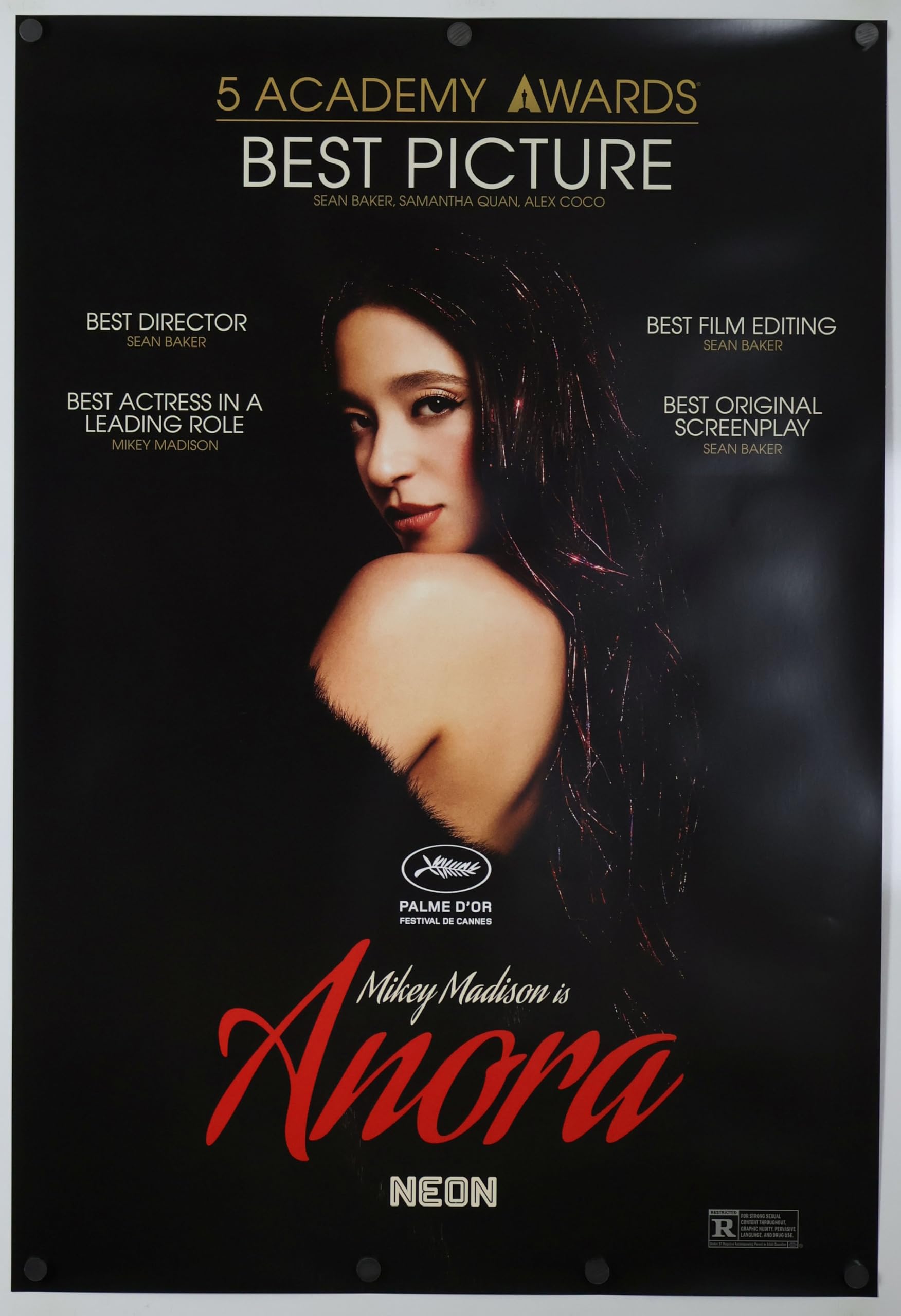
The recent triumph of Anora marks a pivotal moment in his career arc. Securing an Academy Award has elevated Baker from a darling of the festival circuit to a central figure in mainstream cinematic discourse. He handles this transition with a gracious and fluent public persona, yet his artistic roots remain firmly planted in the unsanitized realities of everyday survival. Critics note that it is hard to imagine a more charming Oscar winner, pointing to his genuine appreciation for the medium and his subjects.
Baker acts as writer, editor, producer, and director for his projects. This multifaceted involvement grants him profound authorial control over his narratives. By immersing himself in every phase of production, he maintains an uncompromised vision that successfully marries raw social realism with kinetic cinematic entertainment. His position in cinema history is increasingly defined by this ability to merge the unruly, character driven spirit of John Cassavetes with accessible, contemporary storytelling.
Thematic Preoccupations
At the core of Baker's filmography lies an enduring fascination with class struggle and economic anxiety. He repeatedly interrogates the concept of work, particularly labor that society frequently stigmatizes or ignores. Anora exemplifies this preoccupation by presenting sex work not as a sensationalized spectacle but as an exhausting, transactional grind. His protagonists are fundamentally driven by survival, fighting desperately to keep their gigs in a precarious capitalist system.
Baker frequently employs the structure of a subversive fairy tale to dismantle capitalist and romantic fantasies. He takes familiar cinematic tropes, such as the Cinderella tale or the pretty woman narrative, and tears them to shreds with fierce compassion. Through this deconstruction, he explores how wealth dictates identity and perception. Romance in his universe is rarely pure, as it is almost always entangled with transactional relationships and the desperate pursuit of upward mobility.
Despite the grim economic realities his characters face, Baker infuses his narratives with a profound humanistic gaze that insists on their dignity. He is obsessed with the chaotic, messy vitality of life on the margins. His films ask fundamental questions about who gets to dream of a better life and what moral compromises that dream requires. The resulting stories are fiery, profane, and ultimately deeply empathetic explorations of flawed, fearsome individuals navigating a stacked deck.
Stylistic Signatures
The visual and rhythmic language of Sean Baker is characterized by a kinetic, screwball energy that often induces tonal whiplash. He favors a wild, loose aesthetic that mirrors the chaotic lives of his protagonists. This frenetic pacing creates a visceral viewing experience, frequently drawing comparisons to the anxiety inducing momentum of films like Uncut Gems. The camera moves with an electric urgency, capturing the relentless hustle of characters who literally cannot afford to stay still.
Baker excels in constructing scenes of cacophonous, overlapping dialogue. His films frequently feature moments where four or more characters are shouting over each other simultaneously. This auditory chaos evokes the improvisational, documentary like realism championed by John Cassavetes. It is a carefully orchestrated noise that emphasizes the sheer exhaustion and panic of his working class subjects. The razor sharp scripts find dark humor in this friction, leaning into the absurdity of desperate situations.
A hallmark of his visual approach is the juxtaposition of gorgeous and grubby elements. He bathes mundane or impoverished environments in vibrant, unexpected colors, refusing to adopt the desaturated palette typically associated with social realism. This stylistic choice reinforces the subversive fairy tale atmosphere, making the environments feel both magical and stubbornly grounded. The resulting cinematic texture is fearless and funny, constantly oscillating between heartbreaking drama and profane physical comedy.
Recurring Collaborators
While Sean Baker does not rely on a traditional repertory company of recurring actors, his casting philosophy is a crucial component of his creative process. He frequently seeks out fresh faces, first time actors, and individuals with lived experience relevant to his subjects. This approach consistently yields a breakout star whose raw, unfiltered performance anchors his films with profound authenticity. The lack of familiar Hollywood faces prevents the audience from resting on preconceived star personas, demanding direct engagement with the characters.
The casting of Mikey Madison in Anora serves as a prime example of Baker's ability to harness explosive, untapped talent. Critics have universally praised her fearless and heartbreaking performance, noting how she perfectly channels the exact screwball energy the director requires. By giving young or underutilized actors the space to rustle up flawed, fearsome heroines, Baker establishes highly collaborative production environments that prioritize performance and spontaneity over rigid blocking.
Behind the camera, Baker's most significant recurring collaborator is arguably himself. By taking on the roles of writer, director, editor, and producer, he ensures that the rhythm and tone of his films remain entirely his own. His editing rhythms are particularly crucial, as he independently constructs the frenetic pacing and tonal whiplash that define his stylistic signature. This intense authorial control means his vision remains undiluted from the initial script to the final cut.
Critical Standing
The critical reception of Sean Baker has evolved from respectful admiration within the independent film community to prominent mainstream awards recognition. His recent triumph as an Oscar winner represents a significant milestone in his critical standing. Reviewers frequently laud his humanistic gaze and his ability to find dark humor in places most films would shy away from. He is widely celebrated for reinvigorating American social realism with electric pacing and an unpretentious, profane charm.
However, Baker is not immune to critical polarization. While many view Anora as a brilliant, razor sharp masterpiece, a vocal minority of detractors have found his recent work to be muddled and slightly dull. Some critics have argued that the frenetic shouting and relentless momentum mask a narrative that is hollow or flippant. This divide often centers on whether his subversive fairy tales successfully critique the transactional nature of capitalism or simply revel in the chaotic aesthetics of their impoverished subjects.
Despite these dissenting voices, Baker's overall reputation remains formidable. He is frequently compared to titans of independent cinema like John Cassavetes and is seen as a vital chronicler of modern economic anxiety. By continuously elevating the stories of marginalized gig workers to the level of prestige cinema, Baker has forced the critical establishment to expand its parameters for what constitutes essential filmmaking.