Career Overview
Shekhar Kapur occupies a unique and formidable position in contemporary global cinema. Originally hailing from a different cinematic tradition, he brought a distinctly vital and outsider perspective to the often rigid genre of the Western historical epic. His entry into international filmmaking marked a significant shift in how biographical dramas could be conceptualized, prioritizing visceral human experience over sterile hagiography.
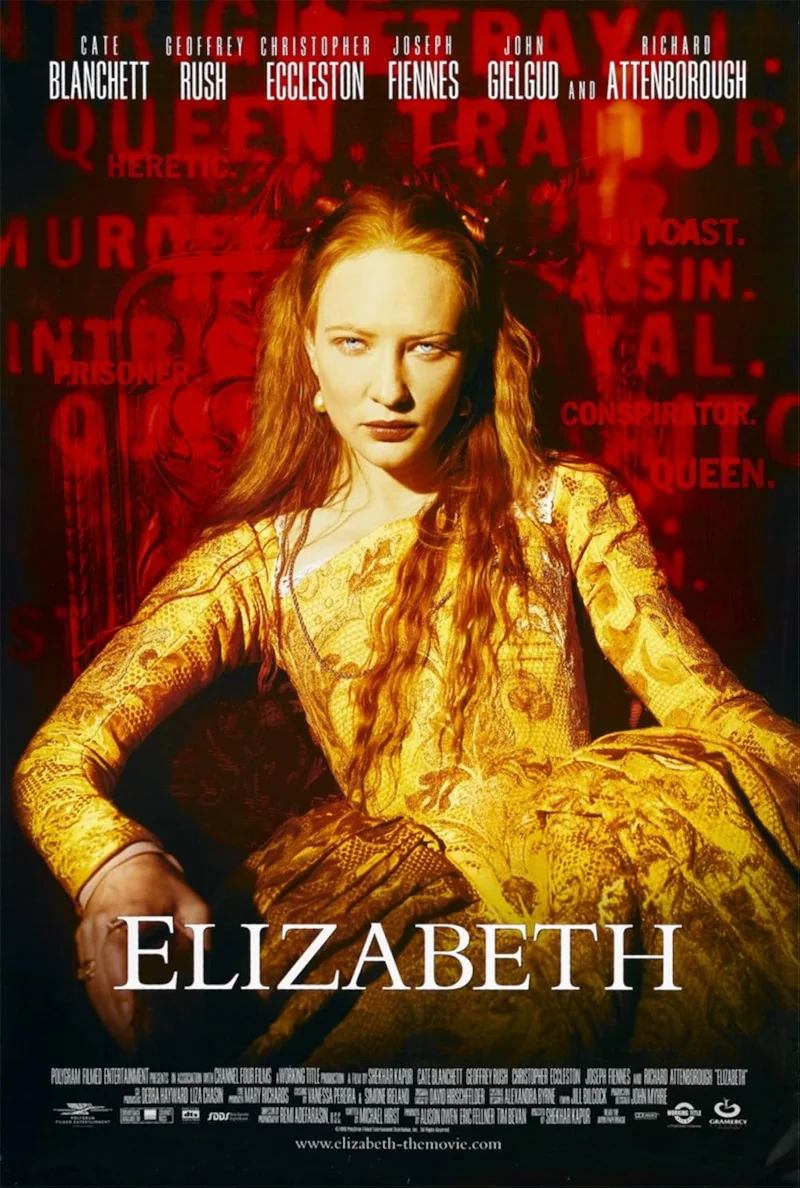
The trajectory of his career highlights a filmmaker with an unsparing eye for power dynamics. By bypassing the traditional pageantry usually associated with European historical cinema, Kapur discovered a much darker and more complex narrative engine. The massive critical success of his work in this arena, most notably with Elizabeth, marked a turning point. It established him as a director uniquely capable of infusing dusty textbook history with urgent modern sensibilities.
Historically, Kapur stands as a pivotal figure of late twentieth century cinema who redefined the boundaries of the period piece. He demonstrated that historical films need not rely on polite reverence. Instead, he approached his subjects with a ruthless psychological clarity, cementing his legacy as a master of intense historical landscapes and securing his place as an auteur of significant international repute.
Thematic Preoccupations
Kapur is fundamentally preoccupied with the corrupting and isolating nature of power. His narratives frequently orbit around complex political intrigue, framing the halls of governance not as sites of noble statesmanship but as lethal battlegrounds. Within his cinematic universe, the political sphere is depicted as a ruthless arena where survival requires the absolute suppression of personal desire and vulnerability.
A secondary, yet equally vital thematic obsession is the profound burden of personal transformation. His protagonists are rarely static entities. Instead, they are forced into radical evolutions of the self to navigate their hostile environments. In Elizabeth, this metamorphosis serves as the central narrative spine, charting the journey of a young woman who must systematically shed her innocence and humanity to become an unassailable political icon.
Furthermore, Kapur consistently explores the devastating friction of religious conflict. Faith is almost never presented as a source of spiritual comfort in his films, but rather as a weaponized tool of statecraft. His characters operate in dangerous worlds where ideological fanaticism dictates both foreign and domestic policy, forcing individuals to navigate a treacherous landscape defined by rigid dogma and bloody retribution.
Stylistic Signatures
The visual language of Kapur is characterized by an intensely atmospheric and visually arresting aesthetic. He consistently utilizes heavy shadows, rich textures, and low lighting to create environments that feel simultaneously opulent and deeply oppressive. The pervasive darkness in his framing serves as a direct visual metaphor for the moral ambiguity and lethal secrets harbored by his historical subjects.
His approach to spatial dynamics often privileges labyrinthine architectural settings, effectively turning palaces and grand estates into claustrophobic traps. Through sweeping camera movements combined with unusually tight closeups, Kapur emphasizes the profound isolation of his protagonists within these massive structures. The camera often stalks the subjects, mirroring the ever present paranoia and surveillance that define their precarious political realities.
In terms of editing and rhythmic construction, Kapur brings a striking modern kineticism to the historical drama. He actively discards the stately, deliberate pacing usually associated with the costume genre, opting instead for a visceral tempo that underscores the intense emotional experience of the narrative. This propulsive approach is frequently amplified by a dynamic use of sound and score, blending classical musical motifs with an aggressive modern urgency to heighten the dramatic stakes.
Recurring Collaborators
While the available database does not highlight a deep roster of recurring on screen personnel across multiple projects, Kapur demonstrates a distinct talent for forging transformative single project partnerships. His directorial approach heavily relies on demanding intense psychological commitment from his leading performers. This method results in intense creative collaborations that frequently redefine the careers of the actors involved.
The most prominent example of this synergetic dynamic is his foundational work with Cate Blanchett. Under his careful direction in Elizabeth, the actor achieved a monumental international breakthrough. Critics universally noted the uncanny nature of the performance, recognizing it as a revelation that required a profound alignment between director and performer. Kapur provided the necessary atmospheric scaffolding, while Blanchett delivered the requisite emotional and physical metamorphosis.
Beyond his actors, the cinematic vision of Kapur demands close alignment with behind the scenes artisans who can execute his dark and sensuous visual mandates. Although specific recurring technical collaborators are not formally indexed here, the cohesive and richly textured worlds of his films speak to a highly authoritative directorial voice. He expertly molds the collective efforts of his crew to ensure that the political intrigue and historical violence remain visually and sonically paramount.
Critical Standing
The critical standing of Shekhar Kapur is firmly rooted in his celebrated ability to revitalize moribund cinematic genres. Reviewers routinely praise his work as imposingly beautiful and persuasively resonant. By forcefully rejecting the polite conventions of standard historical filmmaking, Kapur earned widespread acclaim from major critical bodies, who celebrated his films as darkly atmospheric masterpieces that function equally well as high art and thrilling entertainment.
To properly contextualize his directorial achievements, film scholars and critics frequently draw comparisons between his work and some of the most revered entries in global cinema. Assessments of his filmography often invoke Francis Ford Coppola and his masterpiece The Godfather to describe Kapur and his handling of ruthless political machinations. Similarly, his visual audacity invites direct comparisons to Sergei Eisenstein and Ivan the Terrible, as well as Patrice Chereau and La Reine Margot, placing Kapur in a lineage of filmmakers who treat history as a grand theater of cruelty.
Today, Kapur maintains a highly respected position within critical discourse as an auteur who proved that the costume drama could operate as a potent conduit for rigorous political analysis. The enduring legacy of his work, particularly regarding the acclaimed performances he extracts from his cast, ensures his continuing relevance in cinematic studies. Critics consistently return to his films to examine how historical narratives can be injected with modern psychological depth and startling visual bravura.