Career Overview
Stanley Donen occupies a singular position in the history of American cinema. He is widely celebrated as a defining architect of the Hollywood musical. Emerging during a period when the studio system was at its peak, his trajectory from a dancer and choreographer to a masterful director illustrates a profound understanding of cinematic movement. His work is inextricably linked to Hollywood's golden age, a period he both defined and memorialized through his sophisticated approach to the medium.
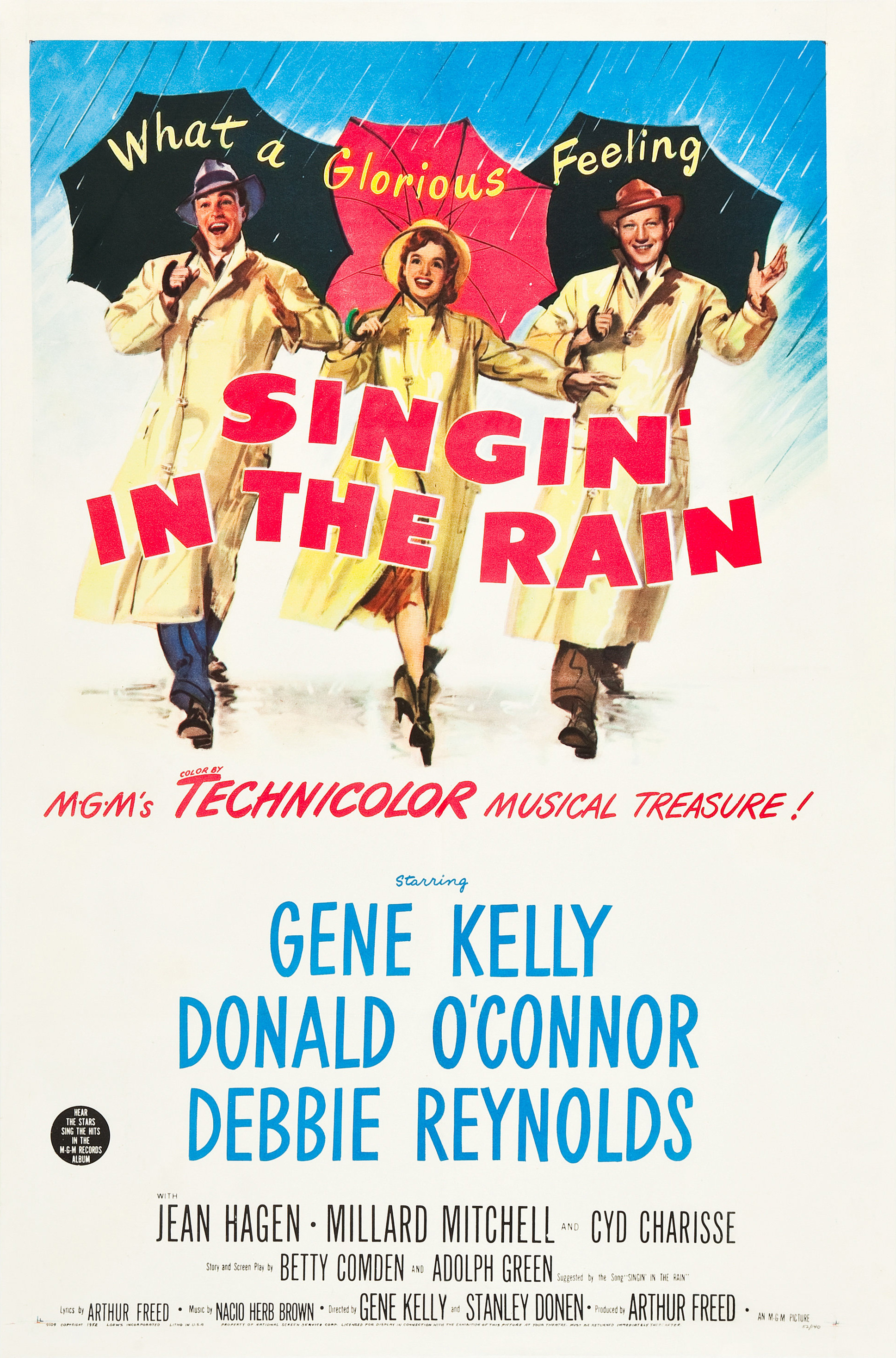
Donen's ascent in the film industry was marked by a revolutionary approach to the musical genre. Rather than treating musical numbers as static theatrical interludes, he integrated them seamlessly into the narrative fabric of his films. This innovation helped transition the genre from stagebound spectacles into fluid, purely cinematic experiences. His most celebrated work, Singin' in the Rain, perfectly encapsulates this evolution, serving as a masterclass in narrative momentum and visual rhythm.
Today, Donen is revered not merely as a studio craftsman but as a visionary auteur who elevated entertainment to high art. His films are frequently cited alongside other timeless classics of the era, drawing favorable comparisons to works like An American in Paris and The Band Wagon. Through his polished production quality and infectious energy, Donen secured a legacy that continues to influence contemporary filmmakers and choreographers alike.
Thematic Preoccupations
A central preoccupation in the cinema of Stanley Donen is the reflexive examination of the entertainment industry itself. His narratives frequently dissect the mechanics of Hollywood, utilizing the transition from silent films to talkies as a potent metaphor for artistic evolution and obsolescence. By turning the camera back on the dream factory, Donen explores the tension between commercial artifice and authentic artistic expression, revealing the precarious nature of stardom and public adoration.
Woven into this industry critique is a profound sense of joyful nostalgia. Donen's films look back at bygone eras with immense affection, yet they avoid becoming mired in pure sentimentality. In Singin' in the Rain, the nostalgia for the silent film era is balanced by sharp romantic comedy elements and witty satire. This dual approach allows the audience to revel in the glamorous mythos of Hollywood while simultaneously deconstructing its illusions.
Furthermore, Donen continually returns to the theme of artistic integrity amidst commercial pressures. The struggles of his protagonists often mirror the demands of the studio system, perfectly distilled in the shrewd warning that one can charm the critics but have nothing to eat. This pragmatic view of show business, wrapped in dazzling performances, highlights the complex reality of creating art within a capitalist framework. Through these recurring thematic explorations, Donen crafts deeply entertaining narratives that double as historical documents of American pop culture.
Stylistic Signatures
The visual language of Stanley Donen is defined by an unparalleled integration of innovative choreography and dynamic camerawork. He liberated the camera from the constraints of the theater proscenium, allowing it to move in physical tandem with the dancers. This kinesthetic approach transforms the cinematic frame into an active participant in the sublime musical numbers, ensuring that the visual rhythm matches the physical exertion of the performers.
Donen is also renowned for his highly polished production quality and vibrant mise-en-scene. His aesthetic embraces bold color palettes and meticulously designed sets that heighten the romantic comedy elements of his narratives. This meticulous visual design creates an immersive experience, inviting the audience into a stylized world where infectious energy and unadulterated joy dictate the rules of reality. The spatial geography of his scenes is always crystal clear, allowing the dazzling performances of his casts to take center stage without spatial confusion.
Sound design and musical integration form another crucial pillar of Donen's stylistic signature. He famously utilized environmental elements as rhythmic devices, transforming ordinary objects and weather conditions into instruments of artistic expression. The iconic sequence of a performer splashing through puddles in the rain demonstrates his ability to marry diegetic sound with orchestral arrangements seamlessly. This sophisticated manipulation of audio and visual elements results in a transcendent sensory experience that defines the zenith of the cinematic musical.
Recurring Collaborators
While the strict database of his filmography might highlight individual masterworks, the cinematic achievements of Stanley Donen are deeply intertwined with a specific cadre of legendary performers and creatives. The transcendent success of Singin' in the Rain relies heavily on the triumvirate of Gene Kelly, Debbie Reynolds, and Donald O'Connor. This specific ensemble provided the perfect balance of athletic grace, youthful earnestness, and razor-sharp comedic timing required to execute Donen's demanding vision.
The partnership with Gene Kelly is particularly central to understanding Donen's creative output. Their collaboration represents a synthesis of Kelly's muscular, gravity-defying choreography and Donen's sophisticated cinematic eye. Together, they pushed the boundaries of what was physically and technically possible on a soundstage. This synergy produced sequences that remain the absolute highpoints of hoofing history, setting a standard for dance on film that has rarely been matched in subsequent decades.
Beyond the principal cast, Donen's work benefited immensely from the vast, highly specialized machinery of the studio system's golden age. The musical arrangers, costume designers, and art directors who populated his sets were essential co-authors of his polished aesthetic. These recurring behind-the-scenes collaborations ensured that every frame of a Donen picture was imbued with a consistent, undeniable level of craftsmanship, solidifying his films as timeless classics within the genre.
Critical Standing
The critical reputation of Stanley Donen rests securely in the highest echelons of American cinema. Upon their initial release, his films were embraced as triumphs of the musical genre, lauded for their infectious energy and brilliant comedic timing. Over the decades, this appreciation has only deepened. Respected critics universally regard his 1952 masterwork as a transcendent experience, with leading voices in film analysis explicitly stating that no one who loves movies can afford to miss it.
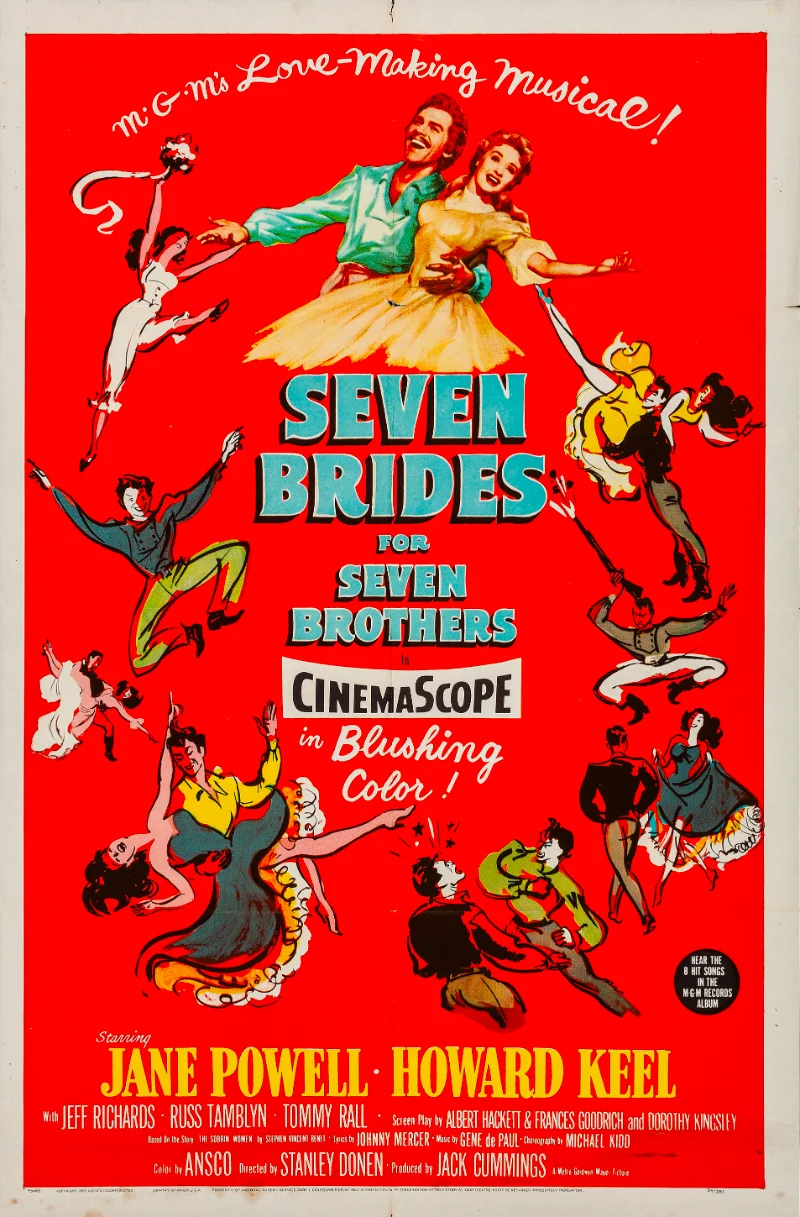
In contemporary critical discourse, Donen is celebrated for achieving a rare perfection in mainstream entertainment. Publications like Empire Magazine frequently cite his work as providing the most enjoyable minutes one can encounter in a cinema, praising the unadulterated joy that radiates from his direction. His films are routinely positioned as the gold standard of the musical comedy, serving as the benchmark against which classics like Top Hat, Swing Time, and Seven Brides for Seven Brothers are measured and analyzed.
The enduring power of Donen's vision is further evidenced by the frequent theatrical revivals of his stories. While contemporary stage productions often generate significant nostalgia and box office success, critics consistently note that these revivals inevitably feel like replicas rather than true originals. This specific critique underscores the unique, irreplaceable nature of Donen's cinematic genius. His legacy remains untouchable, securing his status as a legendary auteur who captured the absolute zenith of Hollywood artistry.