Career Overview
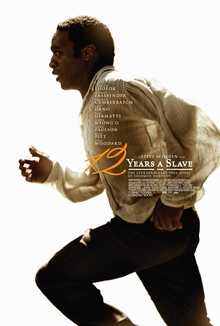
Steve McQueen transitioned from a celebrated career as a Turner Prize winning video artist into one of the most vital cinematic voices of the twenty first century. His trajectory reflects a rigorous commitment to exploring the physical and psychological extremes of human endurance. While his early gallery installations scrutinized the body in confined spaces, his feature filmmaking expanded this focus into sweeping historical and social contexts. The release of 12 Years a Slave cemented his position in cinema history as a director capable of confronting national traumas with uncompromising clarity.
McQueen operates at the intersection of European art house austerity and urgent historical excavation. He does not merely tell stories, but rather he crafts immersive, demanding experiences that force audiences to bear witness to historical atrocities. By applying his avant garde sensibilities to conventional narrative structures, he revitalizes the historical epic for a modern audience. His work demands active engagement, asking viewers to confront the uncomfortable realities of history without the comfort of traditional cinematic sentimentality.
His position in the cinematic pantheon is defined by this refusal to compromise. Critics frequently note how his filmography transcends the searing preoccupations of his previous works, establishing him as a creator of modern classics. By synthesizing the meditative qualities of video art with the emotional heft of classical tragedy, McQueen has forged a unique path in contemporary filmmaking. His career arc demonstrates a relentless pursuit of truth through striking visual poetry, proving that difficult subject matter can yield essential viewing experiences.
Thematic Preoccupations
At the core of the cinematic project undertaken by Steve McQueen is an unflinching examination of slavery, freedom, and the fragile nature of human dignity. His work circles the fundamental philosophical questions of bodily autonomy and systemic brutality. Through 12 Years a Slave, he interrogates the mechanics of institutionalized cruelty, stripping away the mythological gloss often applied to American history. The juxtaposition of brutality and resilience forms the thematic spine of his narratives, challenging the viewer to endure the unbearable weight of systemic oppression.
McQueen is obsessed with the physical manifestations of captivity. He explores how the human body reacts to subjugation and the psychological toll of sustained trauma. The dichotomy between the beautiful natural world and the grotesque acts committed within it highlights a profound existential indifference. His narratives serve as an excoriating critique of historical evils, focusing on the endurance of the human spirit when pushed past its absolute limits. Freedom, in his cinematic universe, is not simply a legal status but a profound state of being that must be fiercely guarded.
Reviewers frequently identify a thematic kinship between his work and other monumental cinematic explorations of trauma, such as Schindler's List and The Passion of the Christ. However, McQueen approaches his subjects with a distinctly detached, almost clinical observation that prevents melodrama from diluting the horror. His films are vital cinematic works that grapple with difficult subject matter, insisting that humanity must confront its darkest chapters. This relentless thematic focus results in narratives that are both harrowing and deeply necessary.
Stylistic Signatures
The visual language of Steve McQueen is defined by a brutal honesty and a somber, meditative tone. He constructs his visual compositions with meticulous precision, utilizing long takes and static camera setups that refuse to cut away from moments of extreme suffering. This technique denies the audience the psychological relief typically afforded by traditional editing rhythms. In 12 Years a Slave, the camera lingers on atrocities with an unflinching gaze, creating poetic images that starkly contrast with the horrific actions occurring within the frame.
His cinematographic approach often emphasizes the physical environment as a silent accomplice to human degradation. The lush, sun dappled landscapes of the antebellum South are captured with an oppressive beauty, creating a dissonant atmosphere that heightens the psychological dread. McQueen avoids the kinetic, stylized violence seen in films like Django Unchained, opting instead for a grounded, visceral realism. The pacing is deliberate, forcing a contemplative engagement with the impressive storytelling and the stark realities of the narrative.
Sound and music are utilized sparingly but with devastating effect. The ambient noise of nature often drowns out human dialogue, emphasizing the isolation of his protagonists. When musical scores are employed, they are typically dissonant or deeply mournful, underscoring the relentless tension of the visual frame. This combination of prolonged visual endurance and atmospheric sound design results in a style that is both immersive and deeply uncomfortable. It is a signature approach that transforms historical recreation into a visceral, lived experience.
Recurring Collaborators
While the provided database identifies no recurring cast members across multiple films, the creative partnerships McQueen forged during the production of 12 Years a Slave remain central to his artistic triumphs. His collaboration with actor Chiwetel Ejiofor resulted in a career defining performance that grounds the film in profound humanity. Ejiofor provides the emotional anchor for the excoriating critique of slavery, allowing the director to channel his austere visual language through a deeply empathetic protagonist. This synergy between director and lead actor is a primary reason critics urge audiences not to avert their eyes.
Behind the camera, McQueen relies on collaborators who understand his need for stark, poetic realism. The production design and cinematography teams are essential in crafting the oppressive beauty that characterizes his frames. They work in tandem to ensure that every historical detail is rendered with brutal honesty, avoiding the sanitized aesthetic that plagues many historical dramas. This unified creative vision is crucial for maintaining the somber tone required to tackle such harrowing narratives.
Furthermore, his editorial partnerships are vital in establishing the demanding rhythms of his cinema. The decision of when to cut, or more importantly when not to cut, dictates the entire emotional cadence of his work. By working closely with editors who share his commitment to sustained tension, McQueen constructs scenes of unbearable duration that force complicity upon the viewer. These strategic collaborations elevate the raw material of the script into a modern classic of impressive storytelling.
Critical Standing
The critical standing of Steve McQueen is characterized by near universal acclaim, positioning him as a purveyor of essential, vital cinema. Reviewers consistently praise his uncompromising vision, often comparing the cultural impact of 12 Years a Slave to landmark films like Schindler's List. He is recognized not merely as an entertainer, but as a crucial historical witness whose films serve as necessary cultural reckonings. The critical consensus points to his unique ability to handle difficult subject matter with both profound gravity and striking artistry.
Within critical discourse, his work is frequently contrasted with more stylized, genre driven interpretations of history, such as Django Unchained. Critics highlight that where others might lean on exploitation or revenge fantasies, McQueen delivers an unflinching portrayal of reality. This distinction has earned him a reputation for intellectual rigor and moral seriousness. His approach is celebrated for transforming the suffering of his subjects into a meditative reflection on human endurance, rather than mere spectacle.
His standing has evolved from being viewed as a promising visual artist dabbling in cinema to a master director commanding the heights of the medium. The reception of his work underscores a deep respect for his brutal honesty and poetic imagery. Today, his films are considered essential viewing experiences that challenge the boundaries of the historical epic. McQueen occupies a rarefied space in contemporary film criticism, universally acknowledged as a filmmaker whose harrowing narratives are indispensable additions to the global cinematic canon.