Career Overview
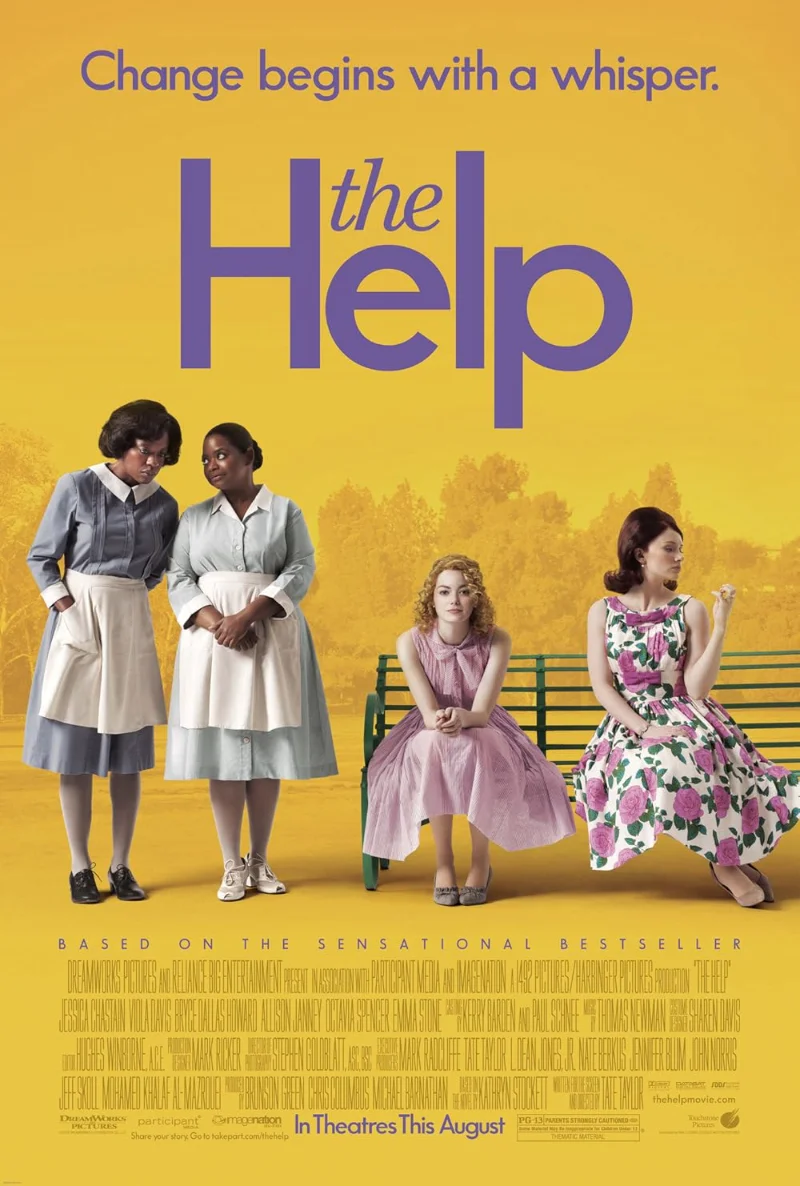
Tate Taylor occupies a specific and often debated space within contemporary American cinema. As a director, he is best known for shepherding popular literature to the screen with an eye for broad emotional resonance and actor-driven storytelling. His breakout directorial effort, The Help, firmly established his reputation as a filmmaker capable of translating culturally ubiquitous narratives into box office successes. Raised in Jackson, Mississippi, Taylor utilized his intimate understanding of Southern society to bring a sense of geographic authenticity to his work, aiming to bridge the gap between historical drama and accessible entertainment.
While his filmography may not boast the formal radicalism of the avant-garde, his career arc reflects a steady commitment to the Hollywood tradition of the medium budget studio drama. Taylor positions himself as a populist storyteller. He builds narratives that appeal to a wide demographic by relying on accessible emotional arcs and traditional cinematic structures. His work operates comfortably within the mainstream, aiming to deliver an entertaining and rousing experience rather than a formally challenging one.
Consequently, his position in cinema history is largely tied to the era of 2010s prestige cinema that sought to tackle historical injustices through polished, character-based dramas. Taylor serves as a bridge between the commercial demands of modern studios and the public appetite for socially conscious narratives. His trajectory showcases a director who prioritizes audience engagement, often leaning into stirring emotions and triumphant conclusions to ensure his films leave a lasting, if sometimes contested, cultural footprint.
Thematic Preoccupations
A rigorous examination of the filmography of Tate Taylor reveals a persistent preoccupation with the dynamics of Southern society and the fraught intersections of race, class, and gender. In The Help, he repeatedly returns to questions of empowerment and courage among downtrodden individuals. He constructs a cinematic world where systemic oppression is frequently challenged through interpersonal connection and the forging of unlikely alliances. Friendship serves as both a thematic anchor and a primary catalyst for narrative momentum, suggesting that profound societal shifts can be sparked by intimate, domestic rebellions.
However, Taylor approaches the grave theme of racial inequality through a highly specific and often softened lens. Rather than immersing the viewer in the unvarnished brutality of the historical setting, he frames the struggle for racial equality as a feel-good fable. This approach results in a thematic tension between the severe reality of spiteful acts committed under Jim Crow laws and the director's inclination toward a sentimental yet crude narrative resolution. He asks questions about morality and justice, but he often answers them with narratives that prioritize emotional catharsis over structural critique.
The volatility of emotions in his work is frequently balanced by an overarching desire for reconciliation and triumph. By focusing on success through laughter and the indomitable spirit of his marginalized characters, Taylor creates stories that are designed to be uplifting. Yet, this focus reveals a philosophical obsession with the idea that individual virtue can overcome systemic evil, a perspective that critics often compare to films like The Blind Side. His work continually investigates how individuals navigate deeply prejudiced environments, ultimately concluding that personal courage is the ultimate tool for liberation.
Stylistic Signatures
The visual language of Tate Taylor is characterized by a glossy, highly polished aesthetic that often earns descriptions like an airbrushed fairytale. His cinematographic approach heavily favors bright, saturated color palettes that romanticize the physical landscape of the American South while ironically contrasting with the dark racial realities of his narratives. This pristine visual styling creates an accessible, inviting environment for mainstream audiences, ensuring that the historical setting feels visually rich rather than oppressively bleak. The lighting is typically warm and flattering, further emphasizing the conventional, Hollywood sheen that coats his historical explorations.
In terms of mise-en-scène, Taylor excels at utilizing domestic spaces as arenas for both subjugation and subtle warfare. Kitchens, dining rooms, and parlor areas become the primary battlegrounds where the volatility of emotions is played out. He relies on detailed period costuming and production design to ground his actors, creating a delicious peppery stew of mid-century aesthetics. His camera remains largely objective and unobtrusive, avoiding flashy, kinetic movements in favor of classical framing that places the focus entirely on the performers and their dialogue.
The editing rhythms in his work are smooth and traditional, designed to seamlessly propel the narrative forward without drawing attention to the cinematic apparatus itself. Sound and music are deployed primarily to cue stirring emotions, often swelling during moments of righteous defiance or shifting into upbeat, rhythmic tracks to highlight moments of success through laughter. Taylor uses tone as a stabilizing force, carefully managing the balance between heavy drama and comedic relief to ensure the final product remains an entertaining and rousing piece of popular cinema.
Recurring Collaborators
Although the scope of his wider filmography extends beyond a single feature, an analysis of The Help highlights the foundational importance of ensemble acting to the directorial method of Tate Taylor. He may lack a sprawling roster of actors who appear across a multitude of distinct franchises, but his reliance on formidable character actors constitutes his most significant creative partnership. The cinematic texture of his work is heavily reliant on the performers who flesh out his visions of Southern society. He gives his cast ample room to breathe, resulting in collaborations that elevate the written material significantly.
The partnership between Taylor and Viola Davis stands out as a defining element of his critical success. Davis acts as the emotional anchor of his historical narrative, providing a force of nature performance that cuts through the more polished aspects of the production. Her portrayal of a stoic, seething domestic worker grounds the film in a deeper psychological reality, counterbalancing the director's tendency toward the sentimental. Similarly, Octavia Spencer brings an indomitable energy to the screen, utilizing a specific comedic timing that perfectly executes the director's vision of subversion through laughter.
Furthermore, Taylor frequently benefits from collaborations with actors who can project a sparky, modern sensibility into period environments, such as Emma Stone. Stone embodies the righteous, progressive viewpoint that Taylor uses as an audience surrogate, bridging the gap between contemporary viewers and the mid-century historical setting. These collaborative dynamics are essential to his process, proving that his ultimate strength as a filmmaker lies in his ability to assemble and guide an ensemble cast capable of delivering deeply moving, highly celebrated performances.
Critical Standing
The critical reputation of Tate Taylor is marked by a pronounced duality, defined simultaneously by tremendous mainstream success and severe analytical skepticism. Upon the release of The Help, he was widely praised for delivering a good film that was involving and wonderfully acted. Critics uniformly lauded his ability to extract stirring emotions from his audience and guide his cast to Academy Award nominations and wins. His skill at crafting an entertaining and rousing narrative earned him a solid footing in the industry, positioning him as a reliable purveyor of mid-budget studio dramas that appeal to a broad demographic.
Conversely, his standing within rigorous critical discourse is significantly more fraught. Serious film scholars and cultural critics often accuse his work of adopting a patronizing attitude toward complex historical traumas. Reviews frequently compare his cinematic approach to The Blind Side or The Long Walk Home, noting that his films operate as facile interpretations of deep-seated racial inequality. Many critics argue that his narratives are almost always more successful when relating the direct experiences of marginalized characters rather than focusing on the magnanimity of white protagonists, which often reads as a crude, oversimplified approach to history.
Ultimately, the legacy of Tate Taylor is one of polarized reception. He is celebrated as a generous director of actors whose sets produce deeply moving performances and memorable cinematic moments. Yet, his overarching tendency to package the brutality of Southern history into an airbrushed, feel-good fable leaves his critical standing forever complicated. He remains a commercially triumphant filmmaker whose stylistic and thematic choices continue to provoke debate about the responsibilities of historical representation in popular cinema.