Career Overview
Wolfgang Petersen occupies a fascinating and somewhat bifurcated position in international cinema history. Emerging from the New German Cinema era, he initially built his reputation on rigorous realism and taut suspense. His trajectory shifted dramatically after achieving monumental success in his native country, allowing him to pivot toward expansive global productions. This transition marks a career defined by immense scale and ambitious vision.
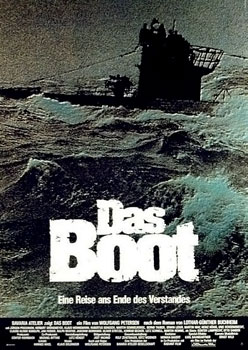
His international breakthrough arrived with Das Boot in 1981. The film stands as one of the highest overseas grossing postwar German ventures and fundamentally altered the trajectory of submarine cinema. By anchoring a massive war narrative in the intimate psychological realities of its crew, Petersen proved he could handle sweeping logistical challenges while maintaining tight emotional focus. The monumental success of this picture provided him with the leverage to pursue entirely different narrative terrains.
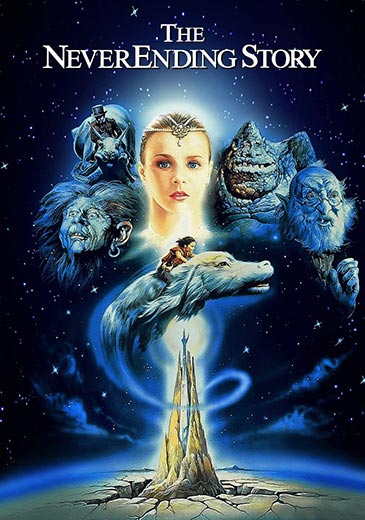
Capitalizing on this critical and commercial momentum, Petersen directed The NeverEnding Story in 1984. Moving from gritty historical realities to a massive English language fantasy adventure shot partially in Vancouver, he demonstrated a striking versatility. This immediate succession of hits cemented Petersen as a director capable of mounting major cinematic achievements across wildly divergent genres. His career arc reflects a filmmaker who consistently sought out technically demanding projects that tested the boundaries of contemporary production capabilities.
Thematic Preoccupations
Across his most defining early works, Petersen demonstrates a profound interest in the psychological endurance of individuals trapped within overwhelming environments. Whether exploring the crushing depths of the Atlantic or the existential void threatening a magical realm, his films isolate protagonists and force them to confront overwhelming despair. This thematic throughline connects the literal claustrophobia of a submarine to the emotional isolation of a grieving child.
In Das Boot, Petersen engages in a rigorous antiwar protest. He strips away ideological heroism to focus on the tragic themes of survival, duty, and relentless psychological pressure. The realistic portrayal of war here is deeply fatalistic. The crew of the U-96 is trapped not only by the ocean and Allied depth charges but by the horrific machinery of conflict itself. The gripping narrative relies on this intense immersion into shared trauma and impending doom.
Conversely, The NeverEnding Story translates this exploration of endurance into a rich fantasy adventure centered on grief and perseverance. The protagonist, dealing with a cold father and the death of his mother, must retreat into an inner world to find healing. Petersen positions imagination as a necessary survival mechanism against the blight of nothingness. While a thematic outlier compared to his war dramas, this focus on a story within a story reveals a broader philosophical concern with how human beings use belief and memory to withstand unbearable realities.
Stylistic Signatures
The visual language of Wolfgang Petersen is characterized by a remarkable ability to adapt his aesthetic to the psychological demands of his narratives. His directorial style often oscillates between extreme, suffocating intimacy and sweeping, Wagnerian grandeur. This flexibility allows him to ground fantastical concepts in tactile reality while elevating historical dramas to the level of mythic tragedy.
In the realm of tension and realism, his camera work relies heavily on spatial confinement. Das Boot is constructed mostly out of claustrophobic closeups that emphasize the sweat, grease, and mounting terror of the submarine crew. Petersen utilizes restless tracking cinematography through narrow corridors to induce a visceral, clammy atmosphere. The thrilling action sequences are driven by suspenseful tension and intricate sound design rather than sheer explosive spectacle. The viewer feels the immense pressure of the ocean pressing against the hull.
When working in speculative genres, Petersen embraces a vibrant pre-CGI creativity that leans heavily on practical magic. The NeverEnding Story showcases his capacity for orchestrating luscious effects, physical puppetry, and inventive matte paintings. The enchanting world he constructs is a shimmering fantasy infused with German Romanticism. Despite the reliance on wondrous beasts like silky maned dragons and rock monsters, Petersen maintains a Spielbergian groundedness through the performances of his child actors, ensuring the extravagant visual design never eclipses the emotional core of the film.
Recurring Collaborators
Unlike auteur directors who rely on a consistent repertory company of actors to anchor their films, Petersen approaches casting as a bespoke process tailored to the specific demands of each project. There are no identified recurring cast members across his most celebrated early works. This absence of a stable on screen ensemble underscores his chameleon like ability to shift between distinctly different cinematic worlds, from the gritty German realism of his war films to the English language fantasy realms of his family adventures.
Instead of leaning on familiar faces, Petersen depends on authentic characters embodied by actors specifically chosen for their immediate atmospheric impact. For his war epics, he assembled ensembles capable of conveying profound physical and psychological exhaustion. In his fantasy outings, he cast performers who could project a grave sincerity, necessary to sell the intricate arcana and allegorical realms of the narrative. The distinct casts serve the unique tonal requirements of each isolated story.
While his on screen collaborators vary wildly, Petersen frequently partners with highly skilled technical artists and musicians to achieve his ambitious visions. His collaborations in the realm of production design and music are particularly vital to his world building. For instance, the mix of German Romanticism and Disney esque wonder in his fantasy work is greatly elevated by iconic musical contributions, such as the score by Giorgio Moroder. These behind the scenes partnerships allow Petersen to maintain his rigorous standards of immersive storytelling, regardless of the actors in front of the lens.
Critical Standing
The critical reputation of Wolfgang Petersen rests on his exceptional ability to merge technical virtuosity with deep emotional resonance. He is widely recognized for delivering major cinematic achievements that elevated European commercial filmmaking on the global stage. Early in his career, critics praised his work for torpedoing the conventions of traditional genre movies, offering instead gripping parables that favored authentic character studies over hollow spectacle.
His standing is most formidably anchored by the monumental reception of Das Boot. The film is universally hailed as a masterpiece of suspense and a stunning, tragic antiwar document. Critics consistently compare it favorably to other landmark naval films like The Hunt for Red October and The Enemy Below. Its documentary like impact and relentless claustrophobia have solidified its legacy as a taut, suspenseful drama that remains an untouchable benchmark in the war genre.
Simultaneously, Petersen holds a unique, affectionately regarded place in the 1980s fantasy canon. While some contemporary critics note that the themes of The NeverEnding Story may feel somewhat dated, the film remains a personally memorable outlier for its ambitious vision. Retrospective reviews frequently celebrate the film as a glorious final starburst of practical magic. Critics admire how it stands alongside classics like Labyrinth and The Dark Crystal, cementing Petersen as a rare filmmaker respected equally for harrowing realism and enchanting, allegorical storytelling.