Career Overview
Yasujirô Ozu occupies a central, monumental space within the history of global cinema. He is widely recognized for forging an incredibly distinctive and rigorous cinematic language. During a highly transitional period in Japanese history, he developed a singular focus on the domestic sphere, turning his attention to the subtle interactions that define the human condition. His overarching career arc reveals a meticulous progression toward formal purity, establishing him alongside contemporaries like Akira Kurosawa and Kenji Mizoguchi as a foundational architect of cinematic modernism.
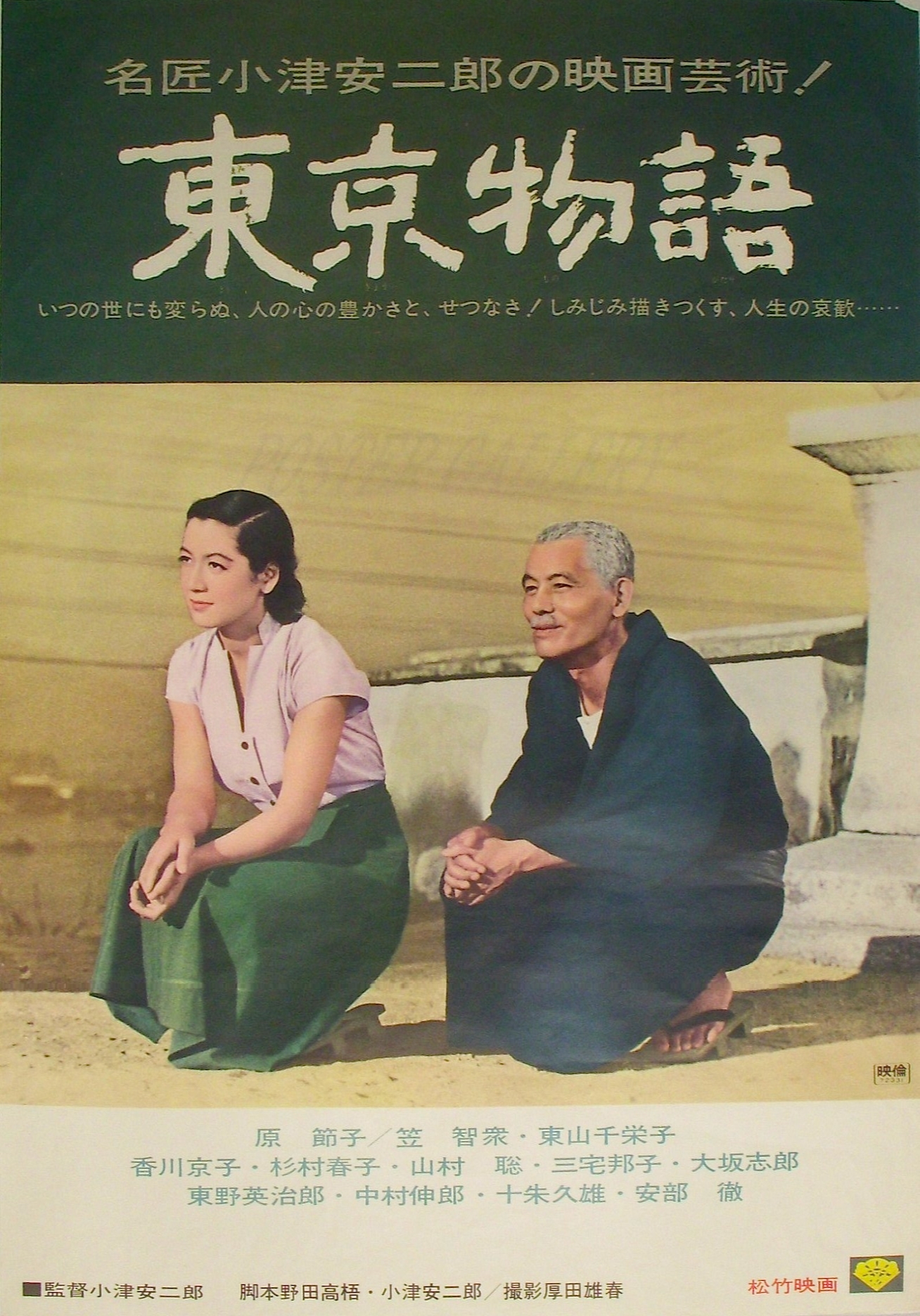
The maturation of his aesthetic yielded masterpieces of exquisite filmmaking, culminating in works like Tokyo Story that transcend cultural specificities. Early international criticism occasionally mischaracterized his work as overly traditional or exclusively Japanese in its sensibilities. However, subsequent critical reevaluations have illuminated that his precise studies of ordinary life tap into universal truths, making him perhaps the most human of all filmmakers. His dedication to exploring the quiet tragedies of domestic existence cemented his enduring global legacy.
Ultimately, his place in cinema history is defined by his profound emotional restraint and flawless execution. By rigorously limiting his cinematic vocabulary, he created a mesmerically formal approach that captured the nuances of a rapidly modernizing society. His unwavering commitment to the subtleties of everyday existence ensures that his cinematic achievements remain vital for contemporary filmmakers and scholars alike, preserving his status as an unparalleled master of the art form.
Thematic Preoccupations
The thematic architecture of Yasujirô Ozu rests almost entirely on the exploration of family dynamics and the quiet dissolution of the traditional household. His narratives repeatedly investigate parent-child relationships, charting the inevitable distances that grow between generations in a changing world. In Tokyo Story, this preoccupation takes center stage as an elderly couple discovers they have been outpaced by the busy, modern lives of their children. The director treats this generational drift not as a dramatic rupture but as an unavoidable, organic tragedy embedded in the fabric of everyday life.
Intertwined with his study of the family is a profound meditation on aging and the relentless passage of time. Ozu captures the exquisite sadness of growing old in a society that is rapidly shifting its priorities. His characters are frequently forced to confront their own obsolescence, navigating the heartbreaking moments of realization that their roles within the family structure have permanently diminished. Aging is depicted with immense dignity, emphasizing a stoic acceptance of a life passing by.
Through these highly localized Japanese narratives, Ozu consistently arrives at significant universal truths. The human experience, with all its mundane disappointments and fleeting joys, serves as his ultimate subject matter. By stripping away artificial melodrama, his films elevate ordinary life into moving narratives that resonate across cultural boundaries, forcing audiences to recognize their own reflections in the quiet, touching struggles of his protagonists.
Stylistic Signatures
The visual language of Yasujirô Ozu is defined by a mesmerically formal approach that remains entirely unique in the history of cinema. His stylistic signature relies on strict geometric compositions, static camera setups, and the iconic tatami low angle that places the viewer directly within the intimate space of the characters. He famously rejected the conventional rules of spatial continuity, opting instead for direct, head-on dialogue shots that create an intense, confrontational intimacy between the subjects on screen and the viewing audience.
His mise-en-scène is celebrated for its flawless execution and vivid imagery, utilizing carefully arranged domestic spaces to mirror the internal emotional states of his subjects. A hallmark of his editing rhythm is the use of static cutaways, often referred to as pillow shots, which feature landscapes, passing trains, or empty rooms. These interstitial moments provide essential rhythmic pauses, allowing the emotional weight of a scene to settle while situating the human drama within a broader, indifferent environment.
Despite this structural rigidity, his aesthetic is universally described as simple yet profound. The emotional restraint of his framing matches the stoic endurance of his characters, resulting in a tension that amplifies the heartbreaking moments of his profound storytelling. The exquisite filmmaking relies on minimal camera movement and a deliberate, unhurried pace, producing an atmosphere of contemplative melancholy that rewards numerous viewings and deep analytical engagement.
Recurring Collaborators
Although specific recurring cast members are not distinctly identified across multiple entries in the provided database, the history of his production methods points to a highly structured, collaborative ecosystem. Ozu is historically celebrated for utilizing a tight-knit repertory company of actors and essential crew members, relying on their collective shorthand to execute his exacting vision. This consistency allowed him to refine his thematic obsessions and perfect his notoriously rigorous formal techniques over decades of continuous work.
The profound emotional restraint required by his aesthetic demanded intense trust between the director and his performers. His actors were frequently asked to suppress overt emotional displays, delivering dialogue with a calculated rhythmic precision that matched the geometric rigidity of the camera placements. By working with the same creative partners, Ozu cultivated a performance style that seamlessly integrated human vulnerability with strict compositional discipline, resulting in an incredibly touching, naturalistic portrayal of everyday life.
Furthermore, his sustained partnerships with trusted cinematographers and screenwriters were vital to achieving the flawless execution that defines his masterpieces. This collaborative continuity enabled the creation of a singular cinematic universe, where the vivid imagery and the mesmerically formal approach could be evolved and polished from film to film. Ultimately, the unity of his ensemble was the critical vehicle through which his moving narratives achieved their transcendent emotional power.
Critical Standing
Yasujirô Ozu commands an exceptionally revered place within global film criticism, frequently cited alongside peers like Kenji Mizoguchi and Akira Kurosawa as a master of world cinema. While films like Rashomon and Ugetsu initially defined Japanese cinema for international audiences through dynamic action and period drama, Ozu eventually gained equal or greater acclaim for his contemporary domestic tragedies. Today, critics regard his work as some of the cinema's most profound and moving studies of married love, aging, and generational shifts.
Within critical discourse, his films are continually elevated by comparisons to other masters of transcendent, formalist cinema. Reviewers frequently draw parallels between his exquisite sadness and the spiritual rigor found in Carl Theodor Dreyer's Ordet and Robert Bresson's Diary of a Country Priest. Like those directors, Ozu uses a mesmerically formal approach to articulate inexpressible grief, securing his reputation as a filmmaker who translates ordinary domestic realities into high cinematic art.
His legacy is continually revitalized by his profound influence on modern global auteurs. Directors such as Hirokazu Kore-eda with Still Walking, Hou Hsiao-hsien with Café Lumiere, and Doris Dörrie with Cherry Blossoms directly engage with his thematic preoccupations and aesthetic techniques. The contemporary critical consensus maintains that his heartbreaking moments do not become less overwhelming with time, cementing works like Tokyo Story as flawless masterpieces that remain deeply relevant to the cinematic arts.