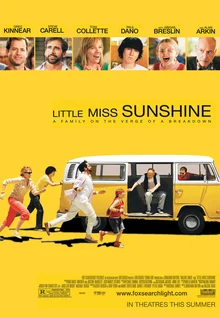
In the realm of indie cinema, Little Miss Sunshine stands as a remarkable testament to the interplay of humor and heartache, capturing the complexity of family dynamics against the backdrop of a road trip narrative. Directed by Jonathan Dayton and Valerie Faris, the film expertly blends quirky humor with satirical undertones, offering a refreshing take on the often idealized American Dream. Released in 2006, this poignant dramedy not only achieved critical acclaim but also carved a niche for itself in a changing cinematic landscape, and it continues to resonate with audiences today for its authentic depiction of dysfunction in the lives of everyday individuals.
The film revolves around the dysfunctional Hoover family, whose members each grapple with their own unique struggles and aspirations. The road trip to a beauty pageant, which serves as the film's central plot device, reveals the authenticity and absurdity of their intertwined lives. From the pessimistic and suicidal Uncle Frank, brilliantly portrayed by Steve Carell, to the ambitious yet unassuming Olive, played by Abigail Breslin, each character embodies a facet of the broader commentary on the quest for success and affirmation within American society. Critics have noted that the film's humor is both amusing and poignant, striking a balance that brings forth laughter while inviting viewers to reflect on the deeper issues at play.
Critically, Little Miss Sunshine has been celebrated for its gentle yet incisive satire of the American Dream, often portrayed as a beacon of hope that ultimately proves elusive for many. Here, the film does not shy away from illustrating the darker aspects of pursuing such dreams and the absurdities associated with them, particularly through the lens of the family's collective journey. By embracing nonconformity and portraying what some call "loserdom," the film effectively humanizes its characters, revealing that success and fulfillment come in myriad forms, often as unexpected as the characters themselves.
Moreover, the endearing nature of Little Miss Sunshine lies in its ability to blend comedy with moments of genuine tenderness. The film's quirky humor emerges as a means of coping with its characters' dysfunctions, making the audience both laugh and sympathize with their struggles. This duality enhances the film's message about embracing one’s imperfections and the importance of familial bonds, however flawed they may be. As the story unfolds, viewers are invited to join in the journey, a road trip not just across the American landscape, but also through the intricacies of human relationships.
Ultimately, Little Miss Sunshine resonates not only as a notable entry in Dayton and Faris' filmography but also as a critical examination of the contemporary American experience. It delivers an authentic portrayal of life’s uncertain path, sprinkling in moments of joy and absurdity that feel incredibly relatable. The film's impactful themes, blending comedy with dark humor, leave an indelible mark, reminding us that while the pursuit of dreams can be fraught with challenges, it is also the shared experiences, however bizarre, that bind families together, and perhaps that is the ultimate triumph of the journey.