Career Overview
Joe Wright has established himself as a prominent architect of the modern British prestige film. His work revitalizes the period drama through a kinetic lens, rejecting the staid conventions often associated with historical cinema. He emerged as a director capable of navigating complex literary adaptations before shifting his focus toward grand historical biographies, utilizing historical backdrops to explore intimate human tragedies and monumental political crises.
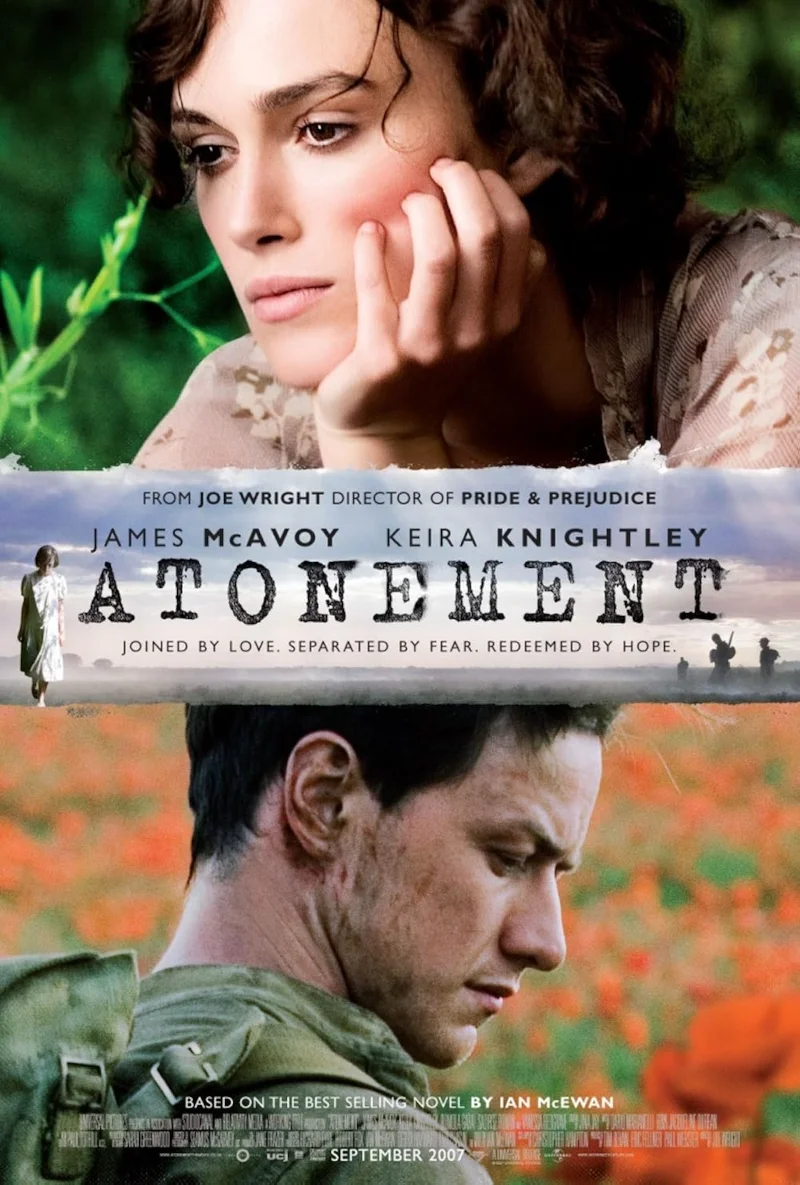
His trajectory reveals a filmmaker deeply invested in the legacy of early twentieth century Europe. Works like Atonement announced his arrival as a major cinematic voice capable of managing sprawling narratives, cementing his reputation for blending romance with the harsh realities of wartime Britain. This early success positioned him as a direct heir to the traditions of classic British period filmmaking, though infused with a distinctively modern energy.
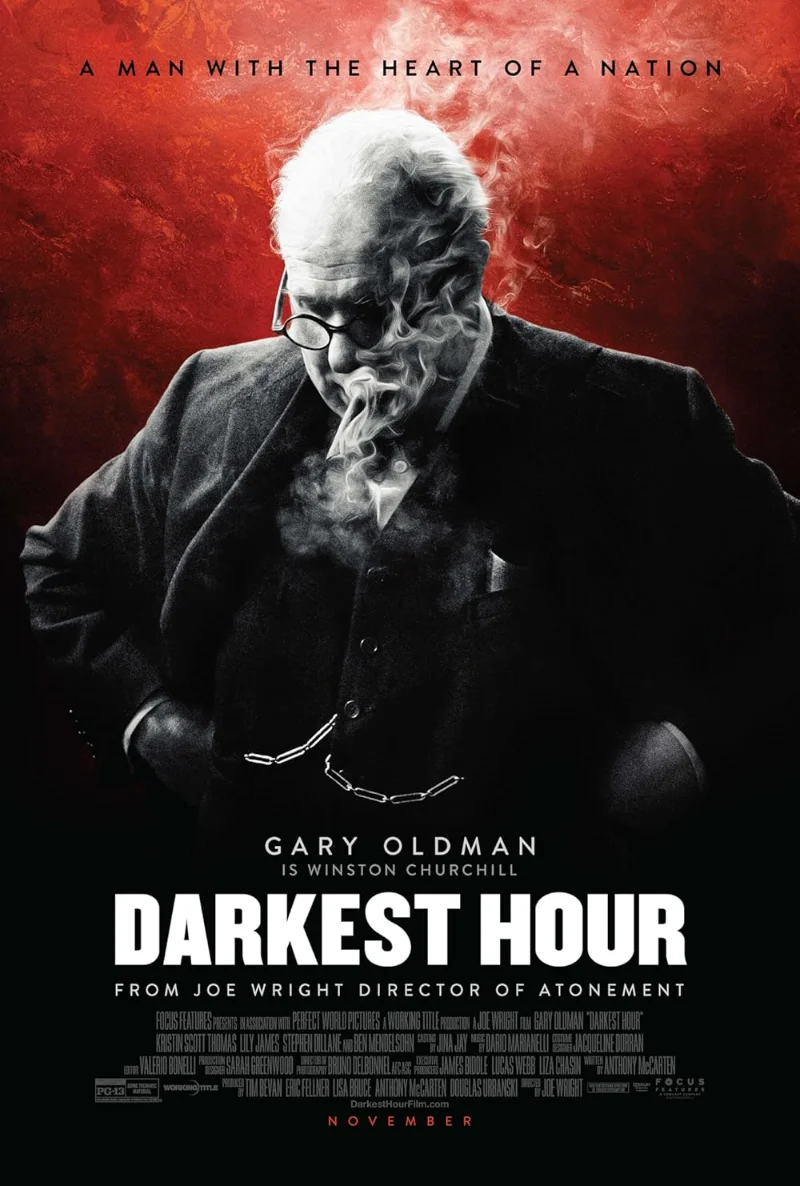
Wright later demonstrated a maturation in his career by tackling towering historical figures and the weight of political decision making during global crises, most notably in Darkest Hour. This evolution highlights a filmmaker who has moved from focusing on the private tragedies of ordinary citizens to the public burdens of the elite, consistently using the era to probe the enduring weight of history on contemporary consciousness.
Thematic Preoccupations
A central preoccupation of Wright is the devastating impact of war on both the individual and the state. His films frequently anchor themselves in the shadow of World War II, exploring how sprawling global conflicts dictate the trajectories of ordinary citizens and elite leaders alike. Works like Atonement and Darkest Hour serve as companion pieces in this regard, examining the European theater from deeply contrasting vantage points to reveal the ubiquitous reach of wartime trauma.
Class conflict and social division form another vital thematic pillar in his filmography. In Atonement, rigid class differences spawn a tragic misunderstanding with lifelong consequences. The strict hierarchies of British society are depicted not merely as social background but as the very catalysts for betrayal, loss, and the destruction of innocence.
The burden of political responsibility and leadership mirrors these private conflicts on a national scale. Darkest Hour emphasizes the crushing weight of political decision making during existential crises, where the rhetoric of leadership becomes a matter of life and death. Wright portrays leadership not as a glamorous position, but as an agonizing trial of moral and strategic endurance.
Ultimately, the capacity of language and fiction to both destroy and heal connects his varied subjects. Atonement offers a potent meditation on the power of fiction to rewrite tragic consequences, while Darkest Hour positions Churchill's rhetoric as a definitive weapon in the theater of war. Across his work, words are treated as concrete actions, positioning storytelling and political speech as formidable historical forces.
Stylistic Signatures
Wright employs a conspicuously energetic and showy visual aesthetic that rejects the dusty, static conventions of traditional period cinema. His directorial style is characterized by an ambitious scale and a pacy narrative drive. He favors fluid camera movements and elaborate choreographies that lend a sweeping, epic quality to his narratives, ensuring that even dialogue heavy political dramas feel remarkably dynamic.
His commitment to gorgeous visuals is balanced by an appreciation for atmospheric nuance and theatricality. He utilizes meticulous production design and evocative lighting to externalize the internal psychological states of his characters. This approach frequently incorporates histrionic elements, creating swooning, delirious cinematic moments that amplify the emotional stakes of his historical settings.
Critics often note his mastery in transforming words into action, a hallmark of his approach to dialogue and pacing. The rhythmic momentum of his films relies heavily on the synergy between the visual aesthetic and auditory cues. The integration of score, sound design, and rapid fire dialogue turns political debates and romantic confessions into highly orchestrated cinematic symphonies.
Furthermore, Wright displays a distinct willingness to embrace aesthetic flourishes that draw attention to the filmmaking process itself. Rather than aiming for invisible direction, his work is proudly authored, featuring bold compositional choices that constantly remind the audience of the meticulous, assured direction guiding the narrative.
Recurring Collaborators
While the specific database identifies a lack of recurring onscreen talent across multiple films, Wright is fundamentally defined by his ability to cultivate career defining work from his lead actors in isolated projects. His directorial environment demands deep emotional resonance and allows for transformative, highly nuanced portrayals. The cultivation of raw, deeply committed performance stands as one of his most vital collaborative traits.
Gary Oldman's turn in Darkest Hour serves as a prime example of Wright's capacity to guide veteran actors into startling new territory. The unlikely casting of the lean actor as the rotund Winston Churchill yielded an electrifying, heavily prosthetic driven performance that entirely anchored the film. Wright relies on these towering central performances to ground his ambitious visual stylings, proving his skill as a formidable director of actors.
His work on Atonement similarly solidified his reputation as a director who demands exceptional depth from his ensembles, orchestrating complex character dynamics to draw out intense, tragic romances that resonate deeply with audiences. The stellar performances he extracts frequently become the defining elements of his films, matching the grandeur of his visual ambitions.
Behind the camera, Wright consistently surrounds himself with top tier craftspeople to achieve his signature opulent look. Although not explicitly named in the recurring cast data, these essential partnerships in cinematography, scoring, and production design ensure his historical reconstructions remain visually stunning, historically detailed, and technically assured, contributing massively to the cinematic excellence of his filmography.
Critical Standing
Wright occupies a complex and heavily debated position within contemporary film criticism. He is widely praised for his technical ambition and cinematic excellence, yet he occasionally polarizes critics who question the depth behind his highly stylized approach. His films reliably ignite discussions regarding the balance between aggressive visual aesthetics and underlying narrative substance.
Works like Atonement garnered near unanimous critical acclaim and major awards recognition upon release. Reviewers heralded it as an exhilarating classic that masterfully updated the traditions of The Remains of the Day, Gosford Park, and The English Patient. However, a vocal minority of detractors labeled its emotional displays as superficial approximations of suffering, indicating a critical divide over his reliance on grand stylistic gestures.
His foray into historical biography with Darkest Hour drew inevitable comparisons to contemporary war epics like Christopher Nolan's Dunkirk and Steven Spielberg's Munich. Critics celebrated the phenomenal direction and the terrific central performance, noting the film's energetic narrative drive and its effectiveness as an electrifying historical drama that made political history feel urgent and pacy.
Nevertheless, certain critical circles argue his work can occasionally fall into simplistic visions or heavily patriotic sentimentality when dealing with complex world history. Despite these critiques, Wright remains an undeniably ambitious filmmaker whose confident, showy execution ensures his permanent place as a premier, highly scrutinized voice in modern British historical cinema.