Career Overview
Mel Gibson transitioned from a globally recognized leading man to a formidable director of sweeping historical narratives. His evolution behind the camera reveals a filmmaker drawn to immense scale and extreme visceral impact. The trajectory of his directorial career demonstrates a persistent fascination with monumental struggles for freedom and deeply personal tests of faith, positioning him as a unique auteur of the massive historical spectacle.
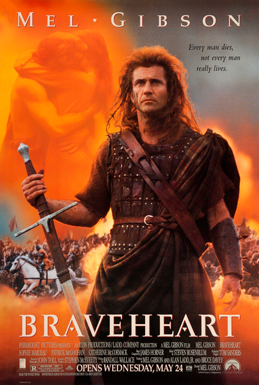
With his sophomore directorial effort, Braveheart, Gibson established himself as a purveyor of the grand historical epic. The film positioned him as an ambitious filmmaker capable of managing massive logistical undertakings, including sprawling locations and armies of extras. This 1995 project cemented his reputation as a director willing to tackle physically punishing productions to achieve a desired level of gritty realism, marking a definitive shift from his origins as an actor to a serious cinematic visionary.
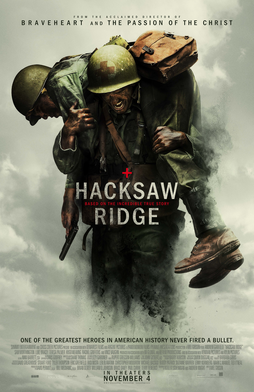
Decades later, Gibson returned to the theater of war with Hacksaw Ridge, shifting his focus from medieval Scotland to the Pacific theater of World War II. This 2016 biographical drama reaffirmed his status as a director of intense cinematic massacres. By focusing on an actual pacifist medic, Gibson evolved his thematic scope while maintaining the uncompromising brutality that defined his earlier work, proving his enduring capability to mount monumental productions.
Across his filmography, Gibson occupies a unique position in modern cinema as a revivalist of the classical Hollywood epic. Reviewers frequently compare his ambitious productions to foundational genre texts like Spartacus and El Cid. Despite periodic absences from the directorial chair, his distinct authorial voice remains undeniably potent, characterized by a commitment to ferocious battle epics that challenge audiences with their sheer physical weight.
Thematic Preoccupations
At the core of his directorial vision lies a deep and often troubling exploration of violence and pacifism. His films repeatedly examine the moral contradictions inherent in human conflict, an obsessive exploration of suffering that echoes the religious agony found in The Passion of the Christ. In Hacksaw Ridge, he presents a biographical narrative of a conscientious objector, forcing the audience to reconcile profound religious conviction with the gruesome reality of combat. This juxtaposition creates a persistent tension between spiritual purity and bodily destruction.
Heroic leadership and the necessity of sacrifice for a cause serve as twin pillars supporting his epic narratives. The victorious struggle in his films is rarely achieved without profound suffering and loss. In Braveheart, the quest for freedom and independence demands extreme physical and emotional tolls, transforming historical figures into archetypal martyrs. These revenge narratives are frequently colored by patriotic undertones that elevate the personal trauma of the protagonist into a national rallying cry.
Gibson is equally preoccupied with themes of betrayal and trust, particularly within the context of leadership challenges. His protagonists often find themselves isolated, relying entirely on their unshakeable internal moral compasses when institutions and allies falter. This isolation amplifies the emotional depth of the narrative, framing the central conflict not merely as a physical battle but as a profound test of the human spirit.
Critics often highlight the moral contradictions embedded within these thematic pursuits. His narratives explicitly condemn the very brutality they depict, yet they frequently revel in the visceral spectacle of combat. This dialectic creates a complex viewing experience where the exploration of moral dilemmas is inextricably linked to realistic portrayals of violence, challenging audiences to question the true nature of bravery in conflict.
Stylistic Signatures
The defining stylistic signature of a Mel Gibson film is its unflinching and coruscating portrayal of violent combat. His camera does not shy away from the horrific realities of war, opting instead for a gritty realism that immerses the viewer in blood and mud. This approach produces gruesome combat sequences that are frequently compared to the visceral intensity found in Saving Private Ryan, while also channeling the kinetic archetypal survival mechanics reminiscent of The Road Warrior. The sheer kinetic force of his action sequences creates a sensory overload that emphasizes the catastrophic impact of warfare.
Gibson constructs his visual worlds with an eye for monumental scale and physical authenticity. His frames are routinely filled with muddy decor, inhospitable locations, and massive ensembles clad in historically detailed costumes. Whether capturing the kilts and broadswords of the thirteenth century or the heavy artillery of the twentieth century, his mise en scene prioritizes a tactile and lived in aesthetic. This dedication to practical effects and massive physical production sets his work apart from more digitally reliant contemporaries.
The editing rhythms in his films are designed to maximize the visceral shock of his violent imagery. He oscillates between sweeping majestic wide shots of impending clashes and incredibly tight chaotic cuts during the heat of battle. This dynamic pacing ensures that the action and drama are perfectly calibrated to manipulate audience tension. The resulting sequences are often described as giant gore festivals that exhaust and thrill the viewer in equal measure.
Sound design and musical accompaniment play crucial roles in elevating the epic themes of his narratives. The deafening cacophony of clashing armor or explosive artillery is frequently juxtaposed with sweeping emotional orchestral scores. This auditory contrast mirrors the thematic tension between extreme brutality and philosophical idealism. The sonic landscape of his films ensures that every blow is felt, reinforcing the grueling nature of his cinematic universe.
Recurring Collaborators
While the directorial database for Gibson lacks a consistent stable of recurring leading actors across multiple distinct eras, his most vital creative partnership is arguably with himself. In his formative directorial efforts like Braveheart, Gibson took on the monumental task of serving as both the visionary behind the camera and the heroic anchor in front of it. This dual role allowed him to strictly control the emotional and physical tone of the narrative, ensuring that the central performance perfectly aligned with his grand directorial vision.
Beyond his own presence on screen, Gibson relies heavily on an army of dedicated below the line collaborators to achieve his signature cinematic scale. He frequently marshals massive units of extras, specialized stunt performers, and practical effects coordinators to populate his battlefields. These unsung partnerships are essential to constructing the fictional worlds that make his films so thrilling and entertaining. The success of his intense action sequences depends entirely on the rigorous coordination between his directorial eye and these massive logistical teams.
His reliance on expansive and rotating ensemble casts tailored to specific historical contexts highlights a distinct approach to collaboration. Rather than relying on familiar faces, Gibson casts to build authentic and immersive historical milieus. The actors he chooses are often subjected to grueling and physically demanding shoots that require a deep level of trust in the process of the director. This dynamic fosters a highly intense production environment that translates directly into the gritty realism visible on screen.
Ultimately, his collaborative style is defined by a shared commitment to suffering for the art of the epic. The stunt coordinators who choreograph the gruesome combat and the special effects artists who engineer the violent narratives are his true recurring partners. Their collective efforts ensure that every cinematic massacre feels brutally authentic, cementing his reputation as a filmmaker who pushes his crews to the very limits of physical production.
Critical Standing
The critical reception of his directorial output is characterized by a polarized mixture of awe and revulsion. Critics universally acknowledge his undeniable talent for orchestrating massive and complex battle sequences, frequently comparing his visual prowess to the directors of classical Hollywood epics. Reviews in major publications routinely praise the ambition and sheer physical scale of his work. However, this admiration is almost always accompanied by severe critiques regarding his fetishistically violent approach to storytelling.
A significant portion of the critical discourse centers on the perceived hypocrisy within his thematic explorations. Detractors often argue that films like Hacksaw Ridge make a mess of their stated moral codes by excessively reveling in the very blood lust they claim to condemn. This tension leaves reviewers wrestling with the moral contradictions of his narratives, where the celebration of a pacifist or a freedom fighter is ironically communicated through some of the most gruesome combat ever committed to film.
Debates surrounding historical accuracy also define his critical standing. Academic and cultural critics frequently point out that his biographical narratives sacrifice factual precision in favor of heightened emotional drama and national myth making. Reviews have labeled his work as hilariously sexed up or totally oblivious to itself, suggesting that his commitment to gritty realism applies more to the depiction of physical trauma than to the historical record.
Despite these robust critiques, his position as an undeniably effective filmmaker remains secure. His ability to craft compelling and original action movies that resonate deeply with audiences ensures his continued relevance in the critical conversation. While his films may be dismissed by some as numbingly long spectacles of violence, they are simultaneously championed by others as full throated masterpieces that capture the catastrophic impact of war and the extreme limits of human bravery.