Career Overview
Peter Jackson occupies a monumental position in contemporary cinema, largely due to his unprecedented ambition in adapting epic fantasy. His career arc reflects a startling transition from idiosyncratic genre filmmaker to the architect of one of the most commercially and critically successful trilogies in film history. The sheer scale of his undertaking established new paradigms for franchise filmmaking, altering the industry's approach to the epic motion picture.
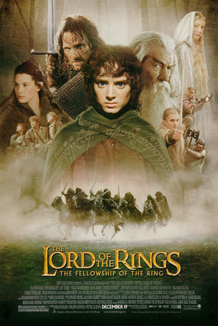
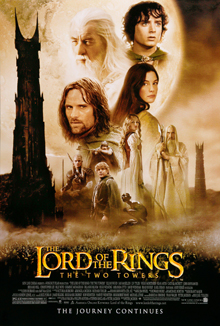
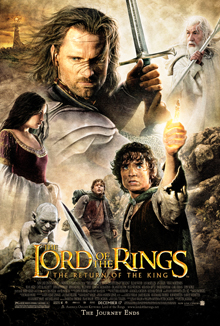
The culmination of this transition is evident in his massive undertaking with The Lord of the Rings: The Fellowship of the Ring, The Lord of the Rings: The Two Towers, and The Lord of the Rings: The Return of the King. Filming these massive projects concurrently required an unparalleled feat of logistical organization and visionary foresight. Jackson navigated the immense pressure of adapting beloved literary texts while pioneering new methods in production and visual effects, effectively setting the standard for the modern cinematic spectacle.
Jackson successfully synthesized classical Hollywood narrative structures with cutting-edge digital technology. His background in practical effects and visceral storytelling allowed him to anchor high fantasy in a tangible, tactile reality. By treating the source material with intense reverence while modifying it for the demands of the cinematic medium, he forged an enduring template for the modern epic, cementing his legacy as a filmmaker capable of balancing intimate character drama with colossal cinematic ambition.
Thematic Preoccupations
At the core of Jackson's work lies an enduring preoccupation with the dichotomy of good versus evil, framed through the lens of extreme sacrifice and steadfast friendship. His narratives consistently interrogate the psychological toll of heroism. Characters are forced into epic adventure narratives not by a desire for glory, but by a profound sense of moral obligation and destiny. This is most vividly explored through themes of corruption and inner conflict, demonstrating how absolute power slowly erodes individual identity.
The thematic journey of home serves as a vital emotional anchor in his storytelling. Jackson frequently highlights the purity of ordinary life juxtaposed against the escalating terror of a broader, encroaching darkness. As characters venture further from their sanctuaries, their physical journeys mirror a profound psychological descent. The resulting fear and devastation underscore the heavy price of their heroic journey, making the stakes deeply personal.
Furthermore, Jackson uses the cinematic adaptation process itself to explore the nature of mythology and history. He delves into territorial conflicts and divisive lines of allegiance, creating a fascinating historical context for his fictional worlds. The struggle against destruction is not merely physical but deeply spiritual, questioning whether innocence can ever truly be reclaimed once it has been exposed to profound malice and sinister undertones.
Stylistic Signatures
Jackson's visual language is defined by an operatic grandiosity that merges vivid special effects with majestic cinematography. He favors dynamic contrasts, routinely juxtaposing majestic longshots that establish immense scale with extreme close-ups that convey suffocating intimacy. This visual dichotomy forces the audience to experience the vastness of the world simultaneously with the acute psychological torment of the characters, resulting in a thrilling experience.
Critics frequently note the sustained tension and action-packed sequences that characterize his pacing. Jackson mounts his epic battles with a visceral intensity that has been compared to the sweeping canvases of silent era directors like Fritz Lang and F.W. Murnau. His staging of grand spectacles involves a devastatingly sustained assault on the senses, utilizing complex camera movements and vast crowds to create a truly immersive and impressive environment.
Auditory elements play a crucial role in Jackson's stylistic arsenal. The use of bombastic, continuous musical scores featuring blaring horns and thunderous percussion heightens the emotional resonance and electric mood of his narratives. While some critics occasionally label the emotional peaks as overwrought drama, this maximalist approach effectively underscores the sweeping stakes of his epic motion pictures and provides a deeply affecting narrative rhythm.
Recurring Collaborators
The immense scale of Jackson's cinematic achievements is heavily reliant on a dedicated ensemble of recurring cast members who ground his sweeping narratives in emotional authenticity. Actors like Elijah Wood and Sean Astin serve as the beating heart of his primary trilogy, perfectly embodying the core themes of friendship and sacrifice. Their sustained performances across multiple films provide the crucial humanistic element required to anchor the massive digital spectacles.
Viggo Mortensen and Orlando Bloom bring vital physicality and stoic heroism to the action-adventure components of Jackson's work. Mortensen, in particular, carries the weight of the reluctant hero archetype, conveying deep inner conflict and historical burden. Meanwhile, Ian McKellen acts as the narrative and moral compass, his commanding presence lending necessary gravitas to the exposition and mythical references inherent in the grand storytelling.
Cate Blanchett rounds out this central troupe, providing an ethereal and often intimidating grace that bridges the mortal and magical realms. The continuity of this cast across The Lord of the Rings: The Fellowship of the Ring, The Lord of the Rings: The Two Towers, and The Lord of the Rings: The Return of the King allows for a deepening of character dynamics. This sustained collaboration ensures that the epic battles never eclipse the intimately observed relationships that define the true stakes of the drama.
Critical Standing
Jackson's critical reputation shifted dramatically with his venture into high fantasy, transforming him from a cult figure into a premier architect of the modern blockbuster. Critics largely celebrate his adaptations as crowning achievements in the epic fantasy genre. Reviews frequently highlight his visionary use of special effects and his remarkable ability to sustain narrative momentum across multiple extensive installments. Many regard his work as the benchmark for cinematic adaptations, often favorably comparing his neat execution of the climax to the original printed texts.
However, his critical standing is not without its detractors. Some analysts have characterized his storytelling as leaning toward overwrought drama, pointing to extended codas and a perceived excess of sentimentality. While certain critics praise the affecting narrative, others argue that his maximalist tendencies, sometimes described playfully as a continuous electric mandolin solo, occasionally threaten to overwhelm the subtler thematic elements of the source material. A few purists even contend that the films, despite their brilliance, do not represent a true visualization of the original author's intent.
Ultimately, Jackson's place within critical discourse remains remarkably strong. His work is frequently compared to monumental cinematic achievements, drawing parallels to classics like Metropolis, Faust, and The Empire Strikes Back. By successfully merging spectacular swashbuckling action with deeply felt human drama, Jackson has cemented his status as a master of the cinematic spectacle. His trilogy continues to be analyzed as a prime example of grand storytelling and an essential component of the best film franchises of all time.