Career Overview
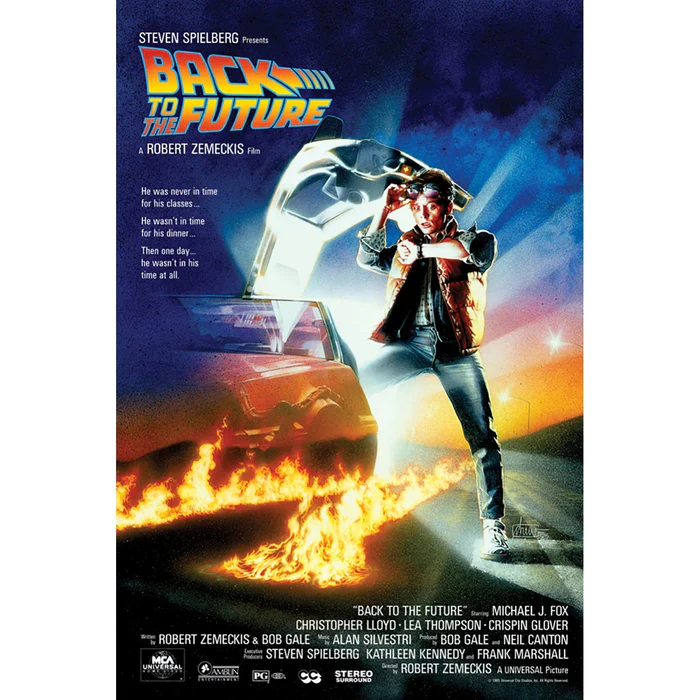
Robert Zemeckis emerged in the 1980s as a premier architect of the American cinematic imagination. Fusing classical Hollywood storytelling with cutting-edge visual ambition, he established himself as a purveyor of high-concept, technologically innovative cinema. Back to the Future cemented his reputation, demonstrating his profound ability to wed intricate science fiction mechanics with deeply relatable domestic comedy.
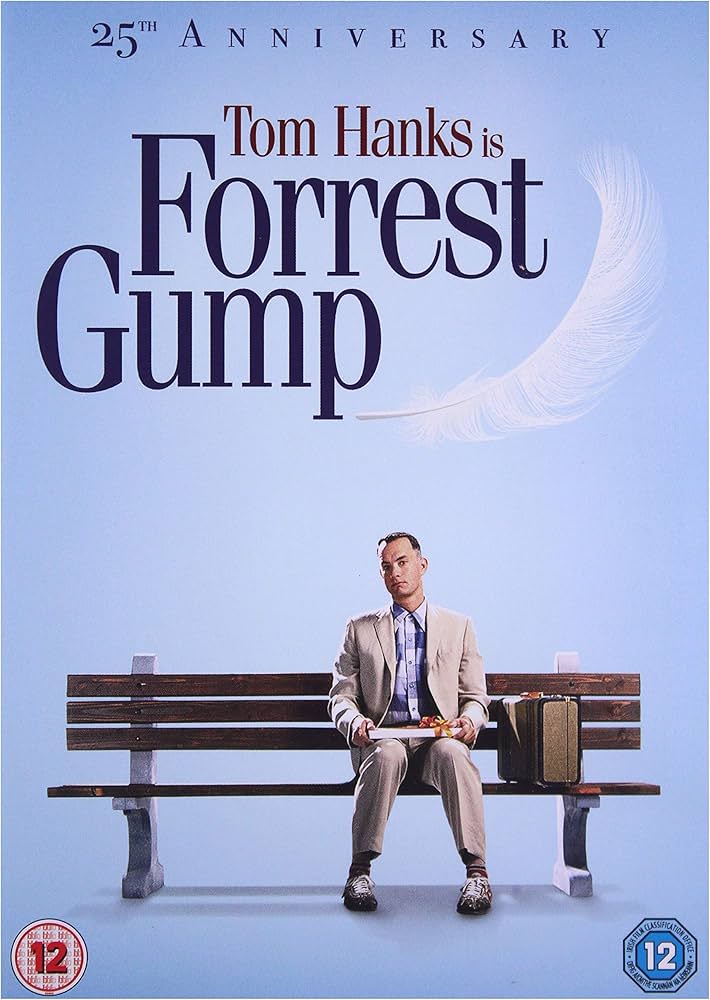
Tracing his trajectory into the 1990s reveals a filmmaker whose structural ambition expanded alongside his populist appeal. Forrest Gump marked a significant pivot toward prestige filmmaking, anchoring his technical prowess to sweeping reflections on twentieth-century American history. This evolution highlighted his capacity to navigate both intimate suburban fantasy and expansive generational epics.
Within the broader context of cinema history, Zemeckis occupies a unique space between the earnest populism of classical studio directors and the digital frontier of modern blockbusters. His works consistently dominate the box office and redefine film industry standards, from theatrical distribution to home video release strategies. He remains a filmmaker who pushes the boundaries of what commercial cinema can achieve both technically and narratively.
Thematic Preoccupations
A central preoccupation of Zemeckis is the concept of nostalgia and the cultural memory of the United States. In Forrest Gump, this manifests as a sweeping, albeit sometimes innocent or cynical, journey through the tumultuous latter half of the twentieth century. Alternatively, Back to the Future operates its nostalgic lens on a more localized scale, actively interrogating the idyllic mythos of the 1950s American nuclear family.
Time, and humanity's fraught relationship with it, serves as the defining structural and thematic engine of his narratives. Whether exploring literal time travel or the episodic, destiny-driven temporal march of a single extraordinary life, Zemeckis explores how the past inescapably authors the present. This temporal preoccupation heavily emphasizes parent-child relationships, often centering on the universal revelation that parents were once flawed and vulnerable youths themselves.
Despite the pervasive sense of heartwarming storytelling and escapism, his thematic tapestry occasionally harbors uncomfortable cultural tensions. Modern critical retrospectives frequently note issues of cultural sensitivity within his iconic narratives. Observations regarding the racial optics of rock and roll invention or the unsettling sexual dynamics embedded in his time-travel paradoxes complicate the seemingly innocent surface of his work, revealing a distinctly thought-provoking layer beneath the pure entertainment.
Stylistic Signatures
The visual language of Zemeckis is defined by an unparalleled integration of groundbreaking special effects with character-driven narratives. He prioritizes seamlessness over mere spectacle, utilizing complex visual trickery to enhance the story rather than distract from it. The impressive effects of Back to the Future and the unprecedented digital compositing of Forrest Gump reflect a director who views technological innovation as a vital, invisible tool for world-building.
Structurally, his editorial rhythms favor what critics have termed Moebius-strip storytelling. Zemeckis engineers a remarkably fast-moving pace, carefully balancing humor and comedy with high-stakes adventure without losing narrative momentum. This brisk, lively direction allows his films to effortlessly digest vast amounts of plot, whether navigating the complex mechanical paradoxes of a time machine or spanning decades of a protagonist's life.
Tonally, he employs a highly controlled, clever directorial style that oscillates between Capraesque sweetness and sharp situational humor. This delicate balance relies heavily on framing and performance to ground the fantastical elements of his scripts. Zemeckis consistently positions his camera to maximize both comedic timing and emotional resonance, ensuring that the elaborate visual wizardry remains firmly anchored to the human experience.
Recurring Collaborators
Based on the provided filmography, Zemeckis does not rely on a strictly defined repertory company of actors that crosses over between his major franchises. However, his cinematic apparatus is deeply dependent on singular, iconic lead performances that come to define the very fabric of the respective films.
Tom Hanks serves as the quintessential Zemeckis protagonist in Forrest Gump. Critics widely assert that Hanks was perhaps the only actor capable of navigating the delicate balance of earnest innocence and profound emotional weight required for the demanding role. This collaboration underscores the director's reliance on leading men who can project an innate, unassailable decency amidst chaotic historical backdrops.
Similarly, the dynamic pairing of Michael J. Fox and Christopher Lloyd in Back to the Future provides the essential comedic and emotional core that grounds the high-concept narrative. Their engaging, energetic performances transform an inventive piece of conceptual storytelling into a beloved classic. These specific casting triumphs prove that Zemeckis builds his technological marvels entirely around the unique charisma and chemistry of his central performers.
Critical Standing
Robert Zemeckis commands a formidable position within critical discourse, celebrated as a master of the modern American blockbuster. Initial reception of his work frequently highlighted its extraordinary box office success and immediate cultural saturation. Films like Back to the Future shattered commercial expectations, overtaking formidable competitors like Rambo: First Blood Part 2 to become the top-grossing film of its year, while drawing direct industry comparisons to the massive profitability and strategic marketing of Beverly Hills Cop.
Over the decades, critics have increasingly recognized the structural genius beneath his populist, entertaining sheen. Reviewers frequently compare his work to that of Frank Capra, particularly noting the profound thematic resemblances between Back to the Future and It's a Wonderful Life. This enduring comparison elevates his critical status from a mere craftsman of escapist fantasy to a vital, sophisticated chronicler of the American dream.
However, contemporary critical evaluations approach his beloved classics with a more nuanced, sociologically aware perspective. Modern assessments occasionally challenge the innocence of his nostalgic visions, pointing out retrograde elements that contrast with his progressive cinematic techniques. Despite these modern reevaluations, his films maintain an unshakable cultural significance, widely regarded as perfectly wrought slices of entertainment that have permanently altered the landscape of popular cinema.