Career Overview
Roman Polanski occupies a complex, polarizing, yet undeniably monumental space in the history of global cinema. His career spans decades and continents, marked by profound personal tragedy and an unflinching cinematic eye. The trajectory of his work reflects a deep engagement with human vulnerability and systemic corruption, moving from his early European art house roots to major Hollywood productions.
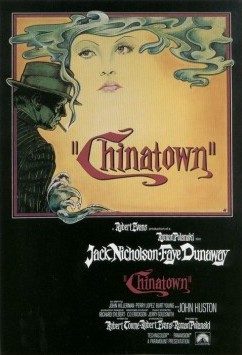
The release of Chinatown in 1974 solidified his reputation as a master of the American studio system. He successfully breathed new life into the private investigator trope, bridging the gap between classic Hollywood genre filmmaking and the cynical, revisionist sensibilities of the New Hollywood era. The film demonstrated his ability to manage a well-crafted narrative while injecting it with profound historical and civic pessimism.
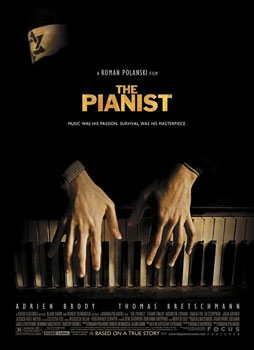
Decades later, his return to European co-productions yielded The Pianist in 2002. This project allowed him to channel his own harrowing childhood experiences during World War II into an intense personal narrative. By focusing on Holocaust survival and artistic integrity, Polanski achieved what many critics consider the capstone of his mature period, successfully reconciling his penchant for grim realism with deeply humanist storytelling.
Thematic Preoccupations
A central preoccupation of Polanski's filmography is the confrontation between the fragile individual and an indifferent, often malevolent universe. His protagonists frequently find themselves thrust into hostile environments where they must rely on human endurance and stoicism to navigate systemic corruption or literal warfare. The director continually asks how one maintains sanity and morality when surrounded by overarching decay.
In Chinatown, this decay takes the form of municipal graft and romantic betrayal in 1930s Los Angeles. The narrative dissects mystery and corruption not merely as plot devices but as the foundational rot of American capitalism. The protagonist's journey through this neo-noir landscape reveals that uncovering the truth offers neither salvation nor justice, but merely exposes the deeper, inescapable horrors of power and exploitation.
Conversely, The Pianist explores these themes through the lens of tragic historical contexts. The film interrogates the absurdity of war and the extreme limits of human resilience. The concept of artistic survival becomes paramount, questioning the role of artistic expression when faced with absolute devastation. Rather than offering redemptive triumph, Polanski frames survival itself as an act of profound, arbitrary luck and quiet endurance, devoid of traditional Hollywood sentimentality.
Stylistic Signatures
Polanski's visual language is characterized by an elegant, understated precision. Critics frequently note his preference for objective framing over intrusive camerawork. In The Pianist, he photographs death and devastation in the Warsaw ghetto with a remarkable distance, deliberately avoiding the showier, melodramatic techniques utilized in comparable films like Schindler's List or The Grey Zone. This disarmingly simple, stoic approach underscores the gritty realism of his narratives.
His mise-en-scene often emphasizes period-accurate settings that never overshadow the psychological tension of the characters. In Chinatown, the flawless recreation of historical Los Angeles quickly fades into the background, allowing the sophisticated dialogue and multi-layered plot to drive the audience's engagement. The meticulous attention to physical detail grounds the surreal and absurd elements of his stories, creating a hauntingly believable world.
The rhythm of a Polanski film is typically built upon crackling tension and methodical pacing. He embraces a poignant simplicity in editing, favoring long, sustained takes that trap the viewer within the protagonist's limited perspective. Whether navigating the sun-drenched yet sinister streets of a classic neo-noir or the ruined, ghostly remnants of a European capital, his sonic and visual choices generate a profound sense of isolation and creeping dread.
Recurring Collaborators
While Polanski is known for a highly singular auteur vision, his most successful works rely on the precise contributions of masterful collaborators. The rigorous demands of his storytelling require writers and technicians capable of matching his meticulous, often cynical worldview. His partnerships frequently elevate traditional genre exercises into timeless cinematic achievements.
The acclaimed screenwriter Robert Towne remains a pivotal figure in Polanski's American period. Their collaboration on Chinatown produced a script that is consistently taught in film schools as a masterclass in narrative structure. Towne provided the sophisticated dialogue that has since become part of the pop lexicon, while Polanski famously altered the script's ending to better reflect his own fatalistic sensibilities, creating a perfect synthesis of writer and director.
In terms of on-screen talent, Polanski rarely relies on a traditional repertory company across his diverse, international filmography. Instead, he casts specifically for the unique psychological demands of each project, demanding brilliant, raw performances from his leads. His inspired casting choices, whether utilizing established American stars to subvert gumshoe traditions or selecting specialized European actors to embody intense personal trauma, demonstrate his ability to mold performers to his exacting tonal requirements.
Critical Standing
The critical reception of Polanski's work is a fascinating study in cinematic longevity and formal mastery. His films routinely command universal acclaim for their elegant storytelling and unsparing thematic depth. Reviewers frequently situate his genre exercises alongside monumental achievements in cinematic history, readily comparing his neo-noir efforts to foundational texts like The Maltese Falcon and The Big Sleep, as well as revisionist works like Robert Altman's The Long Goodbye.
His return to the Holocaust narrative with The Pianist marked a crucial moment in his critical standing. The film was met with near universal praise from august award bodies and major publications, recognized instantly as an important director tackling a monumental subject. Critics heralded it as a grittier, much more powerful film than its contemporaries, praising its status as a vital historical reflection and an unmissable cinematic experience.
Today, his highest-regarded films are firmly entrenched as timeless classics within the critical pantheon. Analysts continue to marvel at his ability to balance cracking entertainment with deep philosophical inquiry. By consistently avoiding the pitfalls of lazy exposition and unearned sentimentality, Polanski's oeuvre maintains an enduring, haunting resonance, ensuring his work remains a primary subject of serious academic and critical discourse.