Career Overview
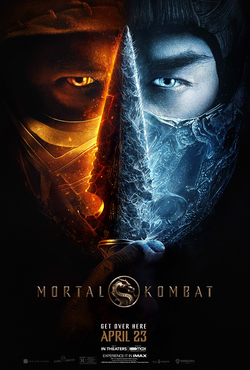
Simon McQuoid entered the sphere of feature filmmaking from a robust background in high-profile commercial directing, a trajectory that deeply informed his approach to modern blockbuster cinema. His transition to feature films occurred within the highly scrutinized realm of established intellectual property, specifically navigating the complex expectations surrounding beloved video game franchises. By making his directorial debut with Mortal Kombat in 2021, McQuoid immediately positioned himself at the intersection of studio franchise building and nostalgic fan service, accepting the daunting task of rebooting a property that had lain dormant in live-action cinema for decades.
The trajectory of McQuoid's career is inextricably linked to the modern Hollywood mandate of adapting preexisting media with rigid faithfulness to its source material. His initial effort was tasked with erasing the lingering cinematic memories of the campy 1990s adaptations, demanding a harder, far more brutal aesthetic that aligned with contemporary audience sensibilities. This undertaking required a delicate balancing act, merging the demands of a massive corporate studio structure with the visceral, R-rated expectations of a dedicated global fanbase.
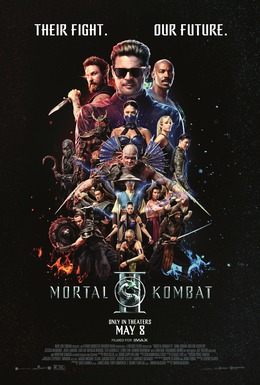
With the release of his sophomore effort, Mortal Kombat II in 2026, McQuoid cemented his status as a reliable steward of the hyper-violent fantasy action genre. His career arc demonstrates a steady navigation of franchise mechanics, evolving from a debut director grappling with heavy exposition to a filmmaker more confident in unleashing the chaotic, interdimensional martial arts spectacle that defines his chosen cinematic universe. His position in contemporary cinema is thus defined by his pragmatic, unpretentious execution of genre exercises, catering directly to an audience craving hard-hitting cinematic translations of digital combat.
Thematic Preoccupations
A pervasive thematic preoccupation in McQuoid's filmography is the tension between ancestral destiny and the heavy burden of legacy. His characters are frequently defined by ancient bloodlines and centuries-old vendettas, reducing complex human emotions into primal desires for vengeance or duty. This is most acutely realized in the generational conflict between rival clans, where historical trauma dictates the brutal physical encounters of the present day. McQuoid uses these blood feuds to explore how violence is inherited and perpetuated across different realms and eras.
The structure of McQuoid's narratives reveals an underlying obsession with the concept of the proving ground, heavily influenced by the video game architecture of his source material. His films consistently revolve around the gathering of champions, functioning almost as cinematic interpretations of a player select screen. This framework highlights a world where individual worth is measured exclusively through physical combat and survival. The thematic concept of franchise potential is woven directly into the text, with character introductions and alliances serving as world-building exercises designed to expand a larger, interconnected corporate mythology.
Furthermore, McQuoid frequently interrogates the idea of self-actualization through extreme trauma. In his cinematic universe, characters literally unlock their hidden potential, known as their arcana, only after enduring severe physical and psychological beatings. Violence is not merely a byproduct of the conflict but the essential catalyst for personal growth. This thematic normalization of brutality suggests a pessimistic, Darwinian worldview where diplomatic resolution is impossible, and true power can only be seized through the absolute, gory destruction of one's adversaries.
Stylistic Signatures
McQuoid's visual language is characterized by a stark bifurcation in tone and aesthetic execution. He frequently contrasts somber, stately historical prologues with the garish, neon-drenched hyper-reality of modern fantasy combat. His early sequences often employ a muted, high-contrast color palette to evoke a sense of grave historical weight, which then radically shifts into a colorful, schlocky style when introducing the supernatural fighters of Outworld. This distinct visual separation emphasizes the collision between grounded human reality and absurd genre fantasy.
The editing rhythms in McQuoid's films often reflect a polarized pacing structure, an element frequently analyzed in critical circles. His narratives tend to slow down significantly during lengthy, mythology-heavy exposition scenes and training montages, creating a deliberate, sometimes slog-like buildup. However, these quiet stretches are abruptly shattered by rapid, gleefully kinetic editing once the martial arts combat initiates. The camera work during these violent set pieces prioritizes hard-hitting, unbroken movements that showcase the physical prowess of the performers, occasionally sacrificing spatial continuity for visceral impact.
Above all, McQuoid's most defining stylistic signature is his uncompromising commitment to graphic bodily destruction. His approach to action sequences leans heavily into practical and digital gore, faithfully recreating the infamous fatalities associated with the franchise. The sound design plays a crucial role in this aesthetic, utilizing exaggerated, bone-crunching Foley work and heavy bass drops to punctuate the bloody action. This sensory overload ensures that the brutal violence remains the focal point of the mise-en-scene, effectively translating the interactive shock value of the games into a passive, yet overwhelming, cinematic experience.
Recurring Collaborators
McQuoid's creative strategy relies heavily on a recurring ensemble of performers who possess the specific physicality required to anchor his chaotic action sequences. At the forefront of this collaborative network is martial artist and actor Joe Taslim, whose presence provides the foundation for the franchise's most demanding physical choreography. Taslim's extensive background in rigorous action cinema allows McQuoid to frame intense combat scenes with wide angles and long takes, avoiding the deceptive editing techniques often used to hide a performer's lack of fighting capability. Taslim effectively serves as the lethal, imposing anchor of McQuoid's cinematic universe.
To balance the unrelenting violence and self-serious mythology, McQuoid repeatedly turns to Josh Lawson, utilizing the actor as a crucial tonal counterweight. Lawson's improvisational, foul-mouthed energy disrupts the otherwise rigid, archetypal molds of the surrounding ensemble. By casting Lawson across multiple installments, McQuoid guarantees a persistent layer of cynical levity. Lawson's performance style deliberately undercuts the grandiose fantasy elements, providing a grounded, albeit highly abrasive, human perspective that cuts through the dense corporate lore.
Jessica McNamee represents another vital pillar in McQuoid's recurring casting structure, serving as the persistent human element amidst the escalating supernatural chaos. Her continuing presence grounds the fantastical elements in a recognizable, gritty reality. As her character evolves across the franchise, McNamee embodies the audience's entry point into the esoteric world of interdimensional tournaments. Her collaboration with McQuoid ensures that alongside the gory spectacle, there remains a thread of practical, militaristic determination that helps tether the high-concept fantasy to relatable human stakes.
Critical Standing
Within the landscape of contemporary film criticism, Simon McQuoid occupies a highly polarized position, primarily evaluated through the notoriously difficult metric of video game adaptations. Reviewers frequently contrast his work with the campy legacy of the 1995 Paul W.S. Anderson adaptation and the derided sequel Mortal Kombat: Annihilation. While high-minded critics often point to his indifferent direction during dramatic scenes and his reliance on hackneyed cinematic tropes, genre purists praise his unshackled commitment to the R-rated brutality that defines the intellectual property. He is often categorized as a filmmaker who prioritizes fan service over profound imaginative storytelling.
The critical consensus surrounding McQuoid's narrative construction frequently highlights significant pacing issues and structural imbalances. Publications note a stark dichotomy in his films, observing that the viewing experience can alternate between a joyless slog of exposition and gleefully kinetic action sequences. Critics often lament the mediocre storytelling and interchangeable characters, viewing the plotting merely as a necessary, albeit clunky, vehicle to transport the audience to the next visceral combat arena. This has fostered a reputation of a director whose specific talents lie almost entirely within the orchestration of bodily violence rather than the cultivation of dramatic tension.
Despite these reservations regarding his narrative finesse, McQuoid's critical standing has seen a pragmatic reassessment as his franchise progressed. By the release of Mortal Kombat II, numerous reviewers conceded that his unapologetic embrace of schlocky style and bloody action represents a highly successful, specialized form of blockbuster filmmaking. Critics noted that his sequel stood victorious by getting the bizarre proportions of the fantasy universe right, acknowledging that he delivers exactly what his target demographic demands. Ultimately, McQuoid is recognized not as an auteur of high cinema, but as a highly capable, commercial craftsman who understands the assignment of modern, IP-driven spectacle.