Career Overview
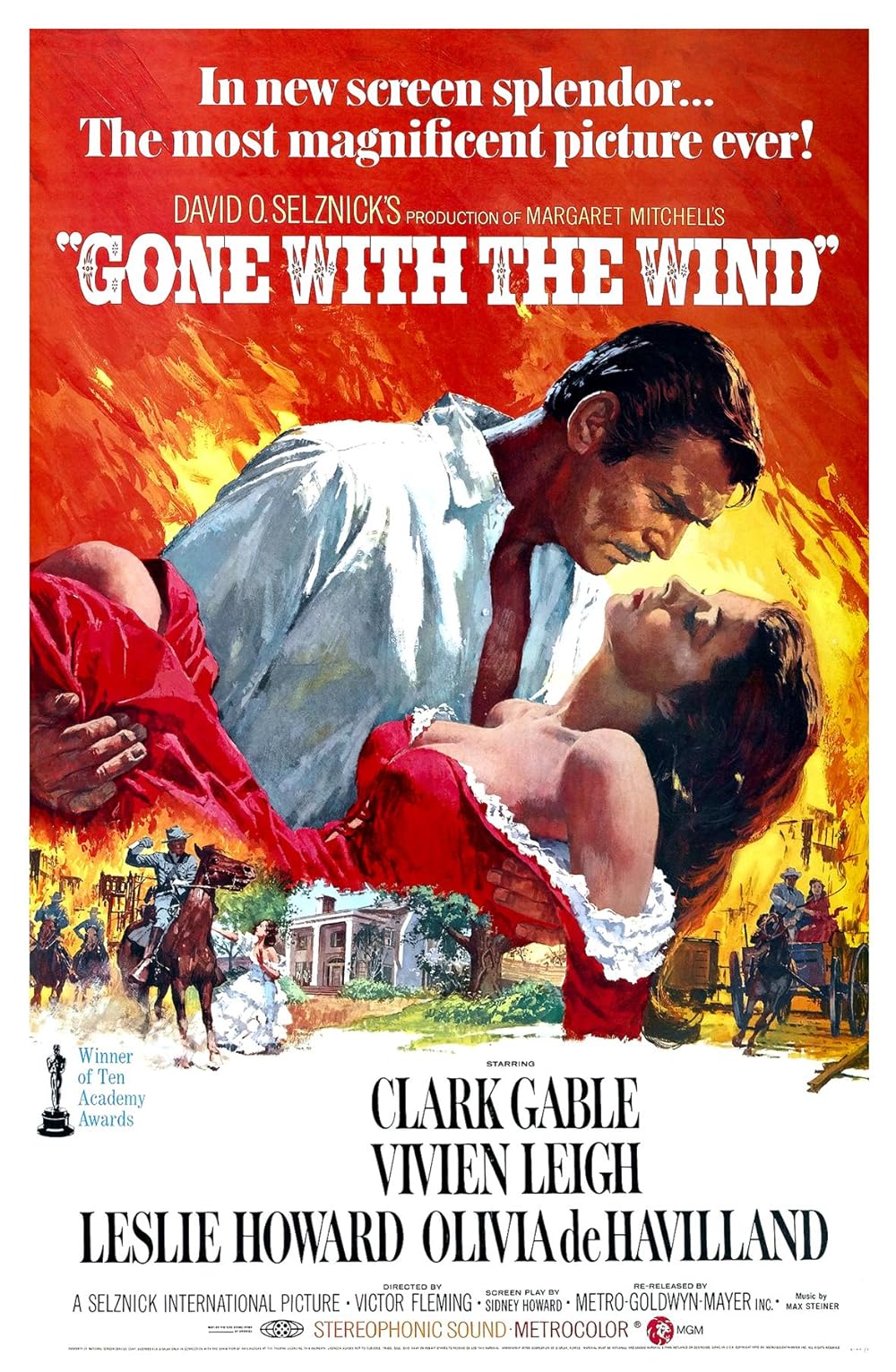
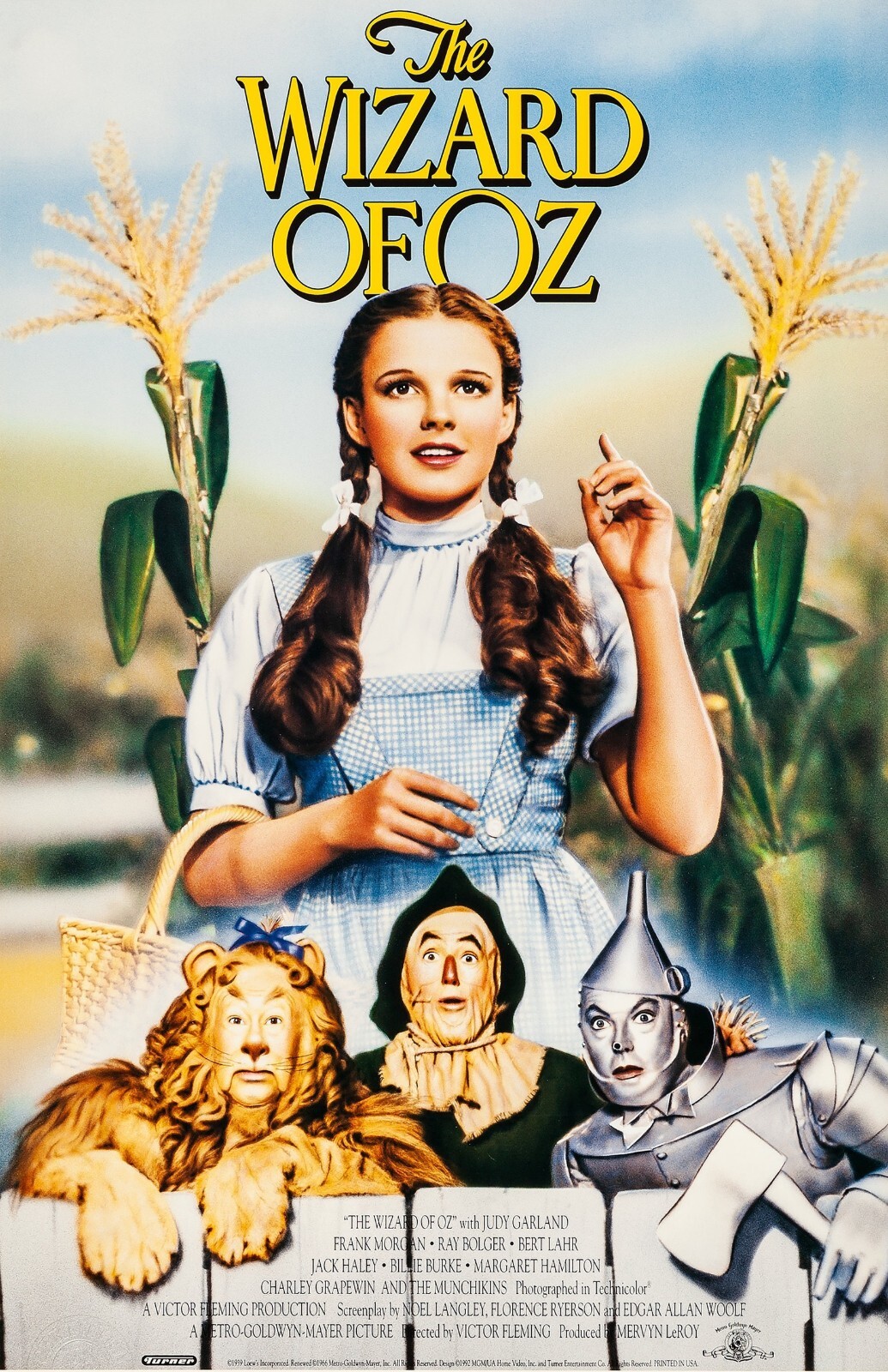
Victor Fleming occupies a uniquely monumental position in the history of classical Hollywood cinema. While the auteur theory often privileges directors who write their own material or impose a highly idiosyncratic visual stamp on low-budget features, Fleming represents the absolute pinnacle of the studio system craftsman. His career is largely defined by an astonishing achievement in a single calendar year. In 1939, he directed both The Wizard of Oz and Gone with the Wind, two films that would become foundational pillars of the American cinematic imagination.
Fleming began his career in the silent era, learning the mechanics of visual storytelling and the rigorous demands of studio production. He developed a reputation as a robust, pragmatic director capable of handling massive logistical challenges and strong-willed stars. This pragmatic authority made him the definitive problem solver for major studios. When highly anticipated, troubled productions required a firm hand to guide them to completion, producers turned to Fleming to rescue their investments.
The simultaneous triumph of his two 1939 masterworks cements his legacy as a master orchestrator of the cinematic apparatus. The Wizard of Oz and Gone with the Wind required the coordination of sprawling sets, groundbreaking special effects, and monumental casts. Fleming managed these immense pressures while delivering critically lauded, deeply enduring narratives. He remains a towering figure not because he rebelled against the Hollywood machine, but because he steered its vast resources with unparalleled efficiency and artistic clarity.
Thematic Preoccupations
Across his most celebrated works, Fleming repeatedly explores the intertwined themes of nostalgic longing, profound loss, and the arduous journey of self-discovery. In The Wizard of Oz, this journey is literalized through a young girl swept from her Kansas farm into a magical realm. Her quest to return home serves as a deeply emotional exploration of childhood fears, friendship, and the realization of inner resilience. The narrative hinges on the emotional homecoming, proposing that true power and security reside within oneself.
Gone with the Wind approaches similar concepts of home and survival through the grueling lens of a historical epic set during the American Civil War. Scarlett O'Hara navigates a world torn apart by violence and societal upheaval. Like Dorothy, Scarlett is driven by an elemental connection to her home, the Tara plantation. However, the film interrogates the high price of ruthless determination. Scarlett is framed not as a creature of the 1860s, but as a willful, free-spirited modern woman fighting for survival amidst devastating love and loss.
Both films function as sweeping examinations of resilience in adversity, yet they operate on different moral spectrums. The Wizard of Oz embraces a dreamlike quality of escapism and heartfelt entertainment, where morality is cleanly divided between wicked witches and benevolent wizards. Conversely, Gone with the Wind delves into the messy, tempestuous realities of intimate relationships and societal collapse. The film attempts a grand restoration of Southern society, intertwining romantic storytelling with national tragedy.
Together, these narratives reveal a director fascinated by protagonists who are forcibly displaced from their comfort zones. Whether facing a literal tornado or the metaphorical storm of the Civil War, Fleming's characters must endure exhausting narratives of physical and emotional endurance. The fundamental philosophical concern in his cinema is the capacity of the individual to withstand apocalyptic change while holding onto a core identity rooted in an idealized vision of home.
Stylistic Signatures
Fleming's visual language is characterized by a dazzling use of early Technicolor, creating worlds of unprecedented vibrancy and scale. The Wizard of Oz delivers a sugar rush of color, famously transitioning from sepia-toned reality into a visually intricate dream-fantasia. Similarly, Gone with the Wind utilizes gorgeous visuals that rely on pastel-pretty hues for Southern belle dresses and blazing reds to signify burning passions and literal conflagrations. This aggressive, painterly approach to color remains one of the defining stylistic signatures of his 1939 output.
The mise-en-scene in a Fleming picture relies heavily on the towering craftsmanship of studio set design. Working with MGM's set design excellence and the extraordinary resources of producer David O. Selznick, Fleming composed shots that balanced breathtaking epic scale with intimate drama. He demonstrated a unique capability to manage crowds and chaotic action, maneuvering enough extras to refight the Civil War, while never losing the emotional center of his protagonists within the frame.
His cinematic approach also incorporates subtle expressionist techniques and a pervasive dreamlike quality, elements that critics have noted share an unexpected kinship with the later, surrealist works of David Lynch. The transition from mundane reality into heightened, magical or terrifying spaces is a recurrent visual motif. Fleming captures the tremulous uncertainty of his characters by isolating them within massive, awe-inspiring environments, emphasizing their vulnerability against towering backdrops.
Aural elements, particularly sweeping musical landscapes, are vital to Fleming's rhythmic pacing. The thunderous impact of a Max Steiner score or the timeless, magical musical numbers of The Wizard of Oz propel the narrative forward. Fleming edits for maximum emotional resonance, allowing musical cues to dictate the rhythm of his vibrant storytelling. This seamless integration of image, sound, and music results in superbly crafted cinema that continues to set the standard for Hollywood spectacle.
Recurring Collaborators
Because Fleming functioned as the ultimate studio director, his most vital recurring collaborators were not necessarily individual actors, but the monolithic studio departments themselves. The production machinery of Metro-Goldwyn-Mayer and the relentless ambition of producer David O. Selznick provided the sprawling canvasses Fleming required. These institutional partnerships afforded him access to unparalleled resources, from groundbreaking special effects teams to the finest costume designers in the industry, enabling his grand visions to materialize.
While our database identifies no recurring cast members spanning both films, Fleming was a master at harnessing and shaping towering, once-in-a-lifetime performances. He drew out the devastating emotional center of Judy Garland, utilizing her tremulous uncertainty and wistfulness to ground a fantastical narrative. Concurrently, he guided Vivien Leigh to a defining portrayal of a fiercely independent survivor, working alongside the quintessential masculine bravado of Clark Gable.
Behind the camera, the contributions of legendary composers profoundly shaped Fleming's cinematic worlds. The thunderous, sweeping score by Max Steiner in Gone with the Wind elevated the historical epic, matching the blazing passions of the visual palette. The integration of iconic musical set-pieces in The Wizard of Oz highlights how heavily Fleming relied on musical collaboration to dictate the emotional tenor of his vibrant storytelling.
Additionally, Fleming directed landmark performances that carry significant historical weight, such as Hattie McDaniel's turn in Gone with the Wind. Though modern critics continually reevaluate the narrative context of the role, McDaniel's powerful screen presence under Fleming's direction resulted in a culturally monumental performance. His ability to elicit commanding work from massive ensemble casts remains a testament to his collaborative dominance on the studio lot.
Critical Standing
Victor Fleming's critical standing is intrinsically linked to his status as the primary architect behind the mother of all event movies. Decades after their release, films like The Wizard of Oz and Gone with the Wind remain towering landmarks of classic cinema. Reviewers consistently praise the films as superbly crafted entertainment, celebrating their enduring ability to fill such a large space in the global cultural imagination. For many critics and historians, Fleming's 1939 output represents the absolute zenith of the Hollywood studio system.
However, the critical discourse surrounding Fleming's work has evolved significantly, particularly regarding the ideological and cultural implications of his historical epics. While Gone with the Wind is celebrated as a gorgeous, intimate drama and an unparalleled technical achievement, contemporary critics rightly condemn its racial representation. Modern reviews frequently point out that portraying enslaved people as purely docile and happy is grotesque and historically corrosive. This dual legacy requires critics to balance awe for the cinematic craft with rigorous scrutiny of the narrative's underlying romanticization of Southern society.
In terms of auteurship, Fleming's reputation has undergone various reevaluations. Early auteurist critics sometimes dismissed him as a mere technician executing the wills of powerful producers like Selznick. Yet, modern reassessments acknowledge that marshaling such chaotic, monumental productions into cohesive, timeless works requires profound artistic vision. The structural integrity and thematic resonance of these films suggest a directorial hand far more authoritative than mere studio compliance.
Today, aided by glittering new digital prints and continuous restorations by entities like Turner Entertainment, Fleming's films remain vital subjects of cinematic study. The frequent comparisons drawn between his world-building and the later, surreal landscapes of filmmakers like David Lynch demonstrate the rich, complex psychological undercurrents of his work. Fleming is ultimately revered not just as a historical figure, but as a foundational storyteller whose dazzling visual blueprints continue to influence generations of filmmakers.