Career Overview
Francis Ford Coppola stands as a monumental figure in the New Hollywood movement of the 1970s. His emergence signaled a seismic shift in American cinema, blending profound artistic ambition with unprecedented commercial success. He is recognized not merely as a director, but as an auteur capable of marshaling massive resources to realize highly personal visions.
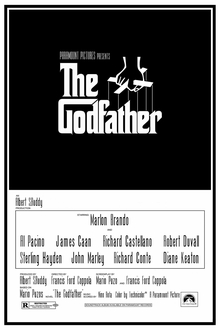
His career arc gained historic momentum with the release of The Godfather in 1972. What originated as an adaptation of a popular bestseller was elevated through his masterful direction into a profound cultural event. Critics likened its cultural impact to that of historical epics, establishing Coppola as a preeminent storyteller capable of bridging pulp origins with high art.
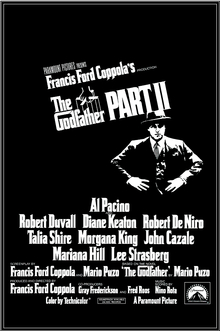
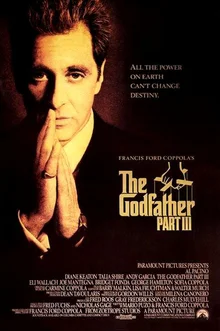
The subsequent release of The Godfather Part II solidified his position in cinema history. Rather than producing a simple continuation, he constructed an expansive narrative that deepened the themes of the original film. This work is widely regarded as a pinnacle of American filmmaking, demonstrating his capacity to explore complex dynastic legacies over multiple timelines.
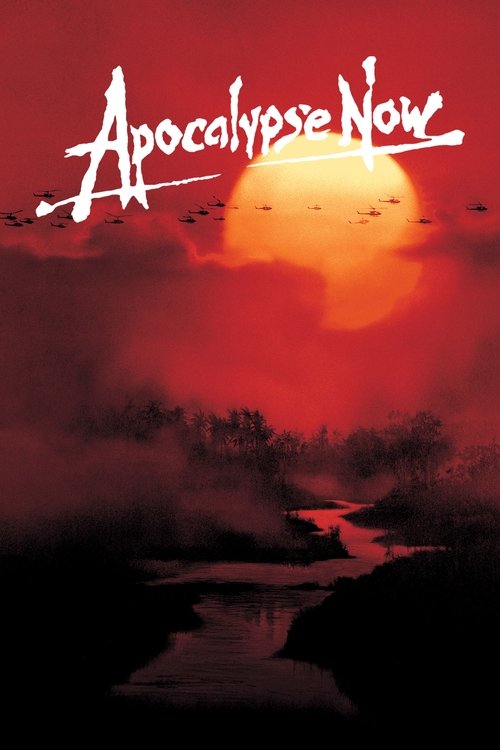
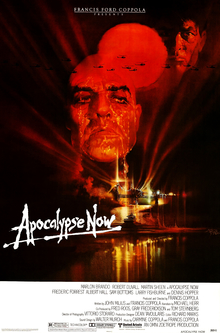
His pursuit of immersive storytelling culminated in Apocalypse Now. The production was notoriously fraught, pushing Coppola to the brink of financial ruin and psychological distress. Yet the resulting film is heralded as a grand and grave gesture of filmmaking, cementing his reputation as a visionary who channels chaos into masterful cinematic artistry.
Thematic Preoccupations
Across his masterworks, Coppola demonstrates an enduring obsession with power dynamics and moral corruption. The narrative trajectory of Michael Corleone in The Godfather and The Godfather Part II serves as a profound meditation on how power corrupts human nature. The director meticulously dissects the mechanisms of authority, illustrating how the pursuit of dominance inevitably leads to spiritual decay and moral ambiguity.
Family dynamics represent another cornerstone of his thematic architecture. Coppola treats the family unit as an insular, almost feudal state, complete with its own codes of loyalty and brutal justice. The Corleone saga intimately explores how family loyalty functions as both a protective shield and an inescapable prison, intertwining dynastic themes with the broader American immigrant experience.
In Apocalypse Now, Coppola expands his focus to the macrocosm of American imperialism and the sheer madness of war. Relocating the colonial critique of classic literature to the Vietnam War, he investigates the savage potential of human nature when stripped of societal constraints. The descent into the jungle becomes a harrowing journey into madness, reflecting the broader insanity of military intervention.
A unifying philosophical concern across his filmography is the fragile boundary between civilization and savagery. Whether portraying the calculated violence of organized crime or the crazed madness of a rogue military commander, Coppola asks audiences to confront uncomfortable truths. His characters frequently grapple with papal authority and grave moral dilemmas, resulting in deeply substantive narratives that resonate across generations.
Stylistic Signatures
The visual language of Francis Ford Coppola is characterized by its breathtaking operatic scale and hypnotic pacing. He employs highly stylized visuals to render intimate character explorations with epic grandeur. His mise en scene often features heavy, cloistered shadows juxtaposed against warm, golden hues, a technique that visually manifests the dark underbelly of the American dream.
In his approach to storytelling, Coppola frequently utilizes surrealism and psychodramatic expression. This is most evident in Apocalypse Now, where the tension filled narrative takes on the qualities of an overwhelming psychedelic horror vision. He orchestrates his scenes to create an intensely immersive experience, pulling the viewer into the visceral horror and emotional impact of the unfolding drama.
Auditory design is a critical component of his stylistic signature. Working closely with brilliant sound designers, Coppola crafts complex soundscapes that heighten the haunting atmosphere of his films. The integration of sound and music in his battle sequences and tense family confrontations transcends traditional scoring, creating a deeply psychological environment that lingers with the audience.
His editing rhythms further distinguish his masterful artistic expression. The Godfather Part II employs an innovative narrative structure, seamlessly weaving between two different eras to invite comparative analysis within the film itself. This ambitious approach to pacing and structure allows him to manage expansive, eventful narratives without sacrificing thematic depth or emotional resonance.
Recurring Collaborators
The monumental scale of Coppola's cinema relies heavily on a dedicated group of recurring creative partners. Cinematographer Vittorio Storaro is pivotal in realizing the director's ambitious visual schemes, particularly the haunting, stylized visuals of his war epics. Similarly, the contributions of sound designer Walter Murch are essential in crafting the immersive, hypnotic soundscapes that define his psychological landscapes.
Marlon Brando stands as a towering figure in the Coppola canon, appearing in three key roles within the director's major works. Brando delivers tour de force performances that anchor the films, portraying characters who exist as god like authorities within their respective domains. His ability to convey profound moral decay makes him the perfect vessel for the director's thematic explorations.
Robert Duvall is another frequent and vital collaborator, appearing in four of the referenced films. Duvall demonstrates remarkable versatility, transitioning smoothly from the quietly calculating legal advisor in the crime sagas to the crazed, surfing obsessed military officer in Apocalypse Now. His performances inject authentic, memorable nuances into the expansive narratives.
The intimate psychological depth of these films is frequently carried by the central protagonists, notably Al Pacino and Martin Sheen. Pacino provides a deeply internalized portrayal of a man consumed by power, while Sheen captures a disturbing journey into madness with brutal honesty. Dennis Hopper also contributes unforgettable, frantic energy, further populating Coppola's cinematic universes with iconic, complex figures.
Critical Standing
The critical standing of Francis Ford Coppola is almost unrivaled in contemporary cinema. Upon the release of The Godfather, he was immediately recognized as a phenomenon who had reinvigorated the American cinematic landscape. Critics praised the film for its narrative depth and masterful direction, quickly elevating it to the status of an untouchable cultural milestone.
With the release of The Godfather Part II, Coppola achieved the rare feat of producing a sequel that many critics argue surpasses the original. Reviewers lauded his daring narrative choices and the film's substantial content. It is frequently cited in comparative analysis against other genre giants, continually emerging as a superior meditation on American identity and dynastic corruption.
The reception of Apocalypse Now further cemented his legacy as a visionary provocateur. Although its chaotic production history initially colored its reception, it is now universally hailed as a masterpiece that captures the horrifying insanity of war. Critics marvel at the film's brutal honesty and its status as a grand, insanely inspired gesture of filmmaking that transcends traditional genre boundaries.
Over the decades, his reputation has only grown, bolstered by the release of restorative projects such as Apocalypse Now Redux. These definitive cuts restate his central artistic arguments and invite new generations of critical appraisal. Today, Coppola is revered as a cinematic titan whose uncompromising ambition and masterful storytelling have fundamentally shaped the evolution of modern film art.