Career Overview
Joel Coen, working inextricably alongside his brother Ethan, has carved an inimitable niche in the landscape of contemporary American cinema. Emerging in the 1980s with a distinct brand of neo-noir, Coen has spent decades subverting traditional genre frameworks. His career arc demonstrates a persistent fascination with the dark underbelly of American life, filtered through a lens that blends bleak cynicism with sharp, idiosyncratic humor.
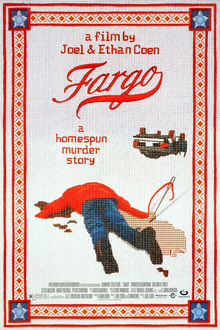
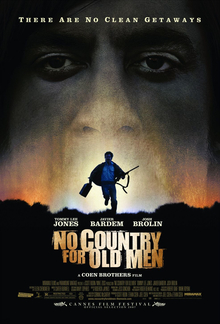
The trajectory of Coen's directorial evolution can be mapped through his consistent engagement with crime narratives and geographical specificity. From the frostbitten wastelands of his native Minnesota in Fargo to the sunbaked expanses of West Texas in No Country for Old Men, the environments in a Coen film are as foundational as the narrative structure itself. This meticulous attention to locale roots his heightened, often surreal narratives in a tangible Americana.
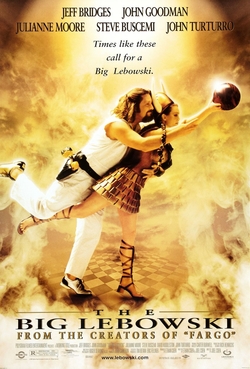
Coen's position in cinema history is marked by his ability to straddle the line between cult auteur and prestige filmmaker. Early features established a devoted audience drawn to his peculiar storytelling and counterculture sensibilities. Over time, his willingness to take enormous risks has solidified his reputation as a master storyteller, capable of oscillating between a lighthearted rambling narrative like The Big Lebowski and a grim meditation on violence like No Country for Old Men while retaining an unmistakable authorial signature.
Thematic Preoccupations
A profound exploration of human nature and moral ambiguity rests at the core of Joel Coen's cinematic project. His films consistently interrogate the concepts of justice, retribution, and the often arbitrary nature of fate. Characters are frequently propelled into chaos by seemingly innocuous decisions or a simple case of mistaken identity, illustrating a universe where destiny is dictated by cruel coincidence rather than divine design. The thematic intersection of crime and punishment underscores almost every narrative, revealing the inescapable consequences of human greed.
The tension between violence and morality serves as another dominant preoccupation, particularly evident in works like No Country for Old Men. Here, the clash between good and evil is stripped of traditional Hollywood sentimentality, presenting a bleak vision of the changing American West. The violence is abrupt, carnage-filled, and steeped in moral consequence, drawing inevitable comparisons to revisionist Westerns like The Wild Bunch or The Searchers. Yet, even in his darkest examinations of humanity, Coen weaves in a nostalgic regret for a vanished past.
Conversely, Coen balances this grim fatalism with an enduring fascination with absurdity and surrealism. In The Big Lebowski, the exploration of counterculture elements and friendship dynamics takes center stage, framing a shambling, insouciant attitude against a convoluted noir backdrop. This juxtaposition of high stakes and laid-back absurdity highlights the director's belief in the fundamental unruliness of existence, where human endeavors (whether desperate ransom schemes or quests to replace a ruined rug) are ultimately subject to a chaotic, indifferent universe.
Stylistic Signatures
The visual language of Joel Coen is characterized by a masterful command of tone, oscillating effortlessly between chilling tension and black humor. His atmospheric approach relies heavily on precise composition, where every tumbleweed or snow-covered plain is carefully calibrated to evoke a specific emotional resonance. This stylistic rigor creates an unforgettable experience for the viewer, blending cinematic pop poetry with the stark realism of his chosen settings.
Coen is renowned for his inventive storytelling, which often manifests in deliciously convoluted plots and a deliberate, sometimes rambling narrative pace. His films frequently employ laconic dialogue that feels simultaneously authentic to the region and highly stylized. This idiosyncratic cadence, coupled with quirky characterizations, generates a unique comedic rhythm that functions even within the bleakest scenarios, such as the whiteout snowscape of Fargo.
A persistent stylistic signature is the subversion of classic genre tropes, particularly noir elements and Western motifs. By returning repeatedly to his cinematic roots, recalling the tight and bloody aesthetics of his debut feature, Coen builds a haunting quality into his frames. The cinematography often isolates characters within vast, unyielding landscapes, emphasizing their existential smallness and amplifying the tense, atmospheric dread that permeates his most celebrated works.
Recurring Collaborators
The architecture of a Joel Coen film is heavily dependent on a tightly knit ensemble of recurring creative partners. The most foundational of these is his brother Ethan Coen, whose shared writing and producing duties make the siblings an indivisible creative unit. Together, they possess an almost telepathic understanding of the peculiar storytelling and tonal shifts that define their brand, ensuring a cohesive vision across every project they undertake.
In front of the camera, Coen has cultivated a stable of reliable character actors who perfectly embody his idiosyncratic dialogue and aesthetic demands. Steve Buscemi is a prime example, bringing a signature nervous energy to multiple films, including Fargo and The Big Lebowski. Buscemi's ability to navigate the unique blend of tragedy and absurdity makes him an essential component of the director's cinematic universe.
Other notable performers, such as John Goodman and Jeff Bridges, have delivered monumental work under Coen's direction. Goodman's explosive, volatile energy provides a necessary counterweight to the more insouciant, laid-back performances of actors like Bridges. These recurring casting choices are not mere conveniences but deliberate artistic decisions, allowing Coen to populate his convoluted, morally ambiguous worlds with performers who inherently grasp his distinct cadence and dark comedic sensibilities.
Critical Standing
The critical reception of Joel Coen's work has been a fascinating evolution from niche admiration to institutional canonization. Early in his career, critics recognized a highly original voice, noting the unmistakable stylistic flair and dark humor that ran through his crime thrillers. While some initial reviews of his more experimental comedies, such as The Big Lebowski, were middling and focused on poor box office performance, these films quickly garnered a massive cult following. This prompted critical reassessments that elevated them to the status of cinematic pop poetry.
With the release of Fargo, Coen solidified his reputation among critics as a masterful storyteller capable of balancing chilling violence with amusing, idiosyncratic character studies. Reviewers praised the film as a completely original, enormously risky venture that succeeded on every level, often citing it as his best film to date at the time of its release. This critical triumph proved that Coen could maintain his peculiar sensibilities while achieving widespread acclaim and cultural resonance.
The arrival of No Country for Old Men marked another high-water mark in Coen's critical standing, earning unanimous praise as a masterful exercise in tension and atmosphere. Critics lauded the adaptation as a mature, unyielding exploration of the changing American West, frequently drawing favorable comparisons to foundational cinematic works and his own earlier masterpieces. Today, Coen is universally regarded as one of the most vital, inventive forces in American cinema, celebrated for his enduring exploration of human nature and his peerless technical craft.