Career Overview
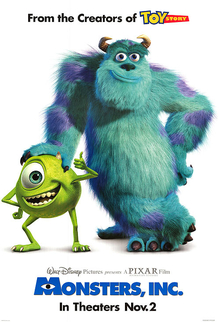
Pete Docter stands as a defining architect of contemporary animation, establishing a reputation for elevating computer-animated features from simple family entertainment into sophisticated explorations of the human condition. His early directorial debut with Monsters, Inc. marked a pivotal transition for his studio, proving that mainstream animated narratives could handle complex corporate satire alongside child-friendly adventure. This initial success laid the groundwork for a career defined by unprecedented conceptual ambition and emotional maturity.
With the release of Up, Docter cemented his distinctive directorial voice and matured beyond the boundaries of traditional genre tropes. He transitioned from the quasi-surrealist monster world to a deeply poignant examination of aging, love, and loss. Up showcased his unique ability to anchor high-concept adventure in profound human reality, allowing him to explore the melancholic twilight years of an elderly widower without alienating a younger demographic.
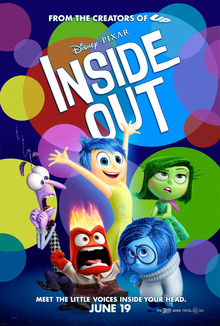
Docter ultimately secured his legacy as a master of psychological storytelling with Inside Out. By literalizing the mind of an eleven-year-old girl, he demonstrated an extraordinary capacity to translate abstract cognitive concepts into accessible, universal narratives. Through these works, Docter solidified his position in cinema history as a pioneering auteur who expanded the emotional and intellectual possibilities of the animated medium.
Thematic Preoccupations
Docter's filmography is anchored by a persistent fascination with the fragility of memory and the inevitability of personal growth. His narratives frequently orbit the painful but necessary transitions of life, whether that entails the twilight years of an elderly man in Up or the turbulent onset of adolescence in Inside Out. The director consistently investigates how past experiences and emotional memories shape present identities, asking audiences to confront the impermanence of childhood.
A secondary but equally vital thematic preoccupation is the subversion of childhood fears and the mechanics of friendship. In Monsters, Inc., Docter dissects the concept of fear itself, wrapping a clever corporate satire around the tender bond between a monster and a human child. This motif of the unlikely pairing continues in Up through the generational gap between Carl and Russell, illustrating how profound connections often emerge from jarring juxtapositions and shared vulnerabilities.
Ultimately, Docter returns endlessly to the concept of emotional resonance through literalized psychological states. Whether giving physical form to joy and sadness as emotions personified or using a floating house as a metaphor for carrying the weight of grief, he externalizes internal mental struggles. This thematic literalization allows him to explore complex subjects like identity formation and the necessity of sorrow, creating narratives that speak to the fundamental complexities of the human experience.
Stylistic Signatures
Docter's visual language is characterized by an imaginative, quasi-surrealist approach to world-building that remains deeply rooted in emotional reality. His films frequently juxtapose mundane, relatable environments with dazzling, highly conceptual spaces. From the industrialized scare factories of Monsters, Inc. to the vibrant, abstract realms of human consciousness in Inside Out, his cinematic frame is consistently detailed and visually inventive. He balances complex visual spectacle with simple, elegant character designs that immediately communicate inner emotional states.
A defining stylistic signature is his mastery of the silent or dialogue-free narrative sequence. The famous opening montage of Up, which chronicles a decades-long marriage in mere minutes, demonstrates his profound understanding of pure visual storytelling. By relying on precise editing rhythms, evocative musical cues, and nuanced character animation, Docter conveys profound heartache and love without a single spoken word. This technique frequently earns him comparisons to the classical visual storytelling of silent cinema.
Furthermore, his work frequently employs kinetic, high-energy chase sequences that function as both visual spectacle and spatial puzzles. The climatic door vault sequence in Monsters, Inc. and the collapsing memory islands in Inside Out highlight his ability to craft thrilling set pieces that are intricately tied to the psychological stakes of his protagonists. His meticulous use of sound design, particularly noted in Inside Out for creating a sonic embodiment of the human brain, further elevates his sophisticated aesthetic.
Recurring Collaborators
Central to Docter's creative process is his reliance on a tight-knit group of recurring collaborators within the Pixar animation infrastructure. Most notable among these partnerships is his work with writer, animator, and voice actor Bob Peterson, who features prominently across his filmography. Peterson's contributions, both in story development and vocal performance, inject a distinctively witty and humane sensibility into Docter's cinematic universes.
Peterson's dual role as a creative architect and performer exemplifies the collaborative ethos that defines Docter's directorial approach. In films like Up and Monsters, Inc., Peterson's sharp comedic timing provides crucial levity, balancing Docter's heavier thematic explorations of grief, existential dread, and the painful transitions of adolescence. This partnership ensures that the films maintain a snappy, sophisticated humor without sacrificing their emotional weight.
Beyond individual contributors, Docter's work is inextricably linked to the collective review model of his home studio. While Docter operates as the visionary force, his films are shaped by rigorous peer review and iterative storytelling processes with other veteran animators and writers. This collaborative ecosystem is essential to refining the complex, abstract concepts inherent in his films, ensuring they remain cohesive while continuously pushing the boundaries of the animated art form.
Critical Standing
Pete Docter occupies a rarefied space in contemporary critical discourse, widely regarded as one of the most conceptually ambitious directors working in mainstream cinema. His critical standing has evolved significantly since his debut. While Monsters, Inc. was initially praised as an engaging piece of family entertainment and a massive box-office success, a minority of early reviews noted it lacked the sophisticated adult lure of previous studio efforts. However, time has elevated its reputation among critics, who now frequently laud it as a visually staggering masterpiece of corporate satire.
The release of Up marked a definitive turning point in his critical reception, earning him universal acclaim for his emotional depth and mature storytelling. Critics frequently cited the film's opening montage as a masterclass in narrative exposition, cementing his reputation as a filmmaker capable of profound emotional resonance. During this period, reviewers began drawing highly favorable comparisons between his work and the animated epics of Hayao Miyazaki, noting a shared ability to weave magical realism with sincere humanism.
With Inside Out, Docter achieved peak critical veneration. Reviewers lauded the film as a smart, dazzling exploration of identity formation, likening its psychological depth to monumental works like The Wizard of Oz. While a small fraction of critics found its literalization of the mind weirdly reductive, the overwhelming consensus celebrated it as an emotionally sensitive classic. Today, Docter is celebrated not merely as a successful animator, but as an essential modern auteur whose complex, heartfelt films linger in the collective cinematic consciousness.