Career Overview
Billy Wilder stands as a titan of Golden Age Hollywood, celebrated for an authoritative and cynical voice that effortlessly navigated the treacherous waters between European pessimism and American populism. His background as a European expatriate deeply informed his perceptive, often acidic view of American culture. Wilder initially cut his teeth as a writer, developing a sharp ear for dialogue that would eventually define his directorial career. As he transitioned into directing, he quickly established himself as a premier architect of cinematic shadows and biting social satire, crafting a filmography that remains essential to the study of classic cinema.
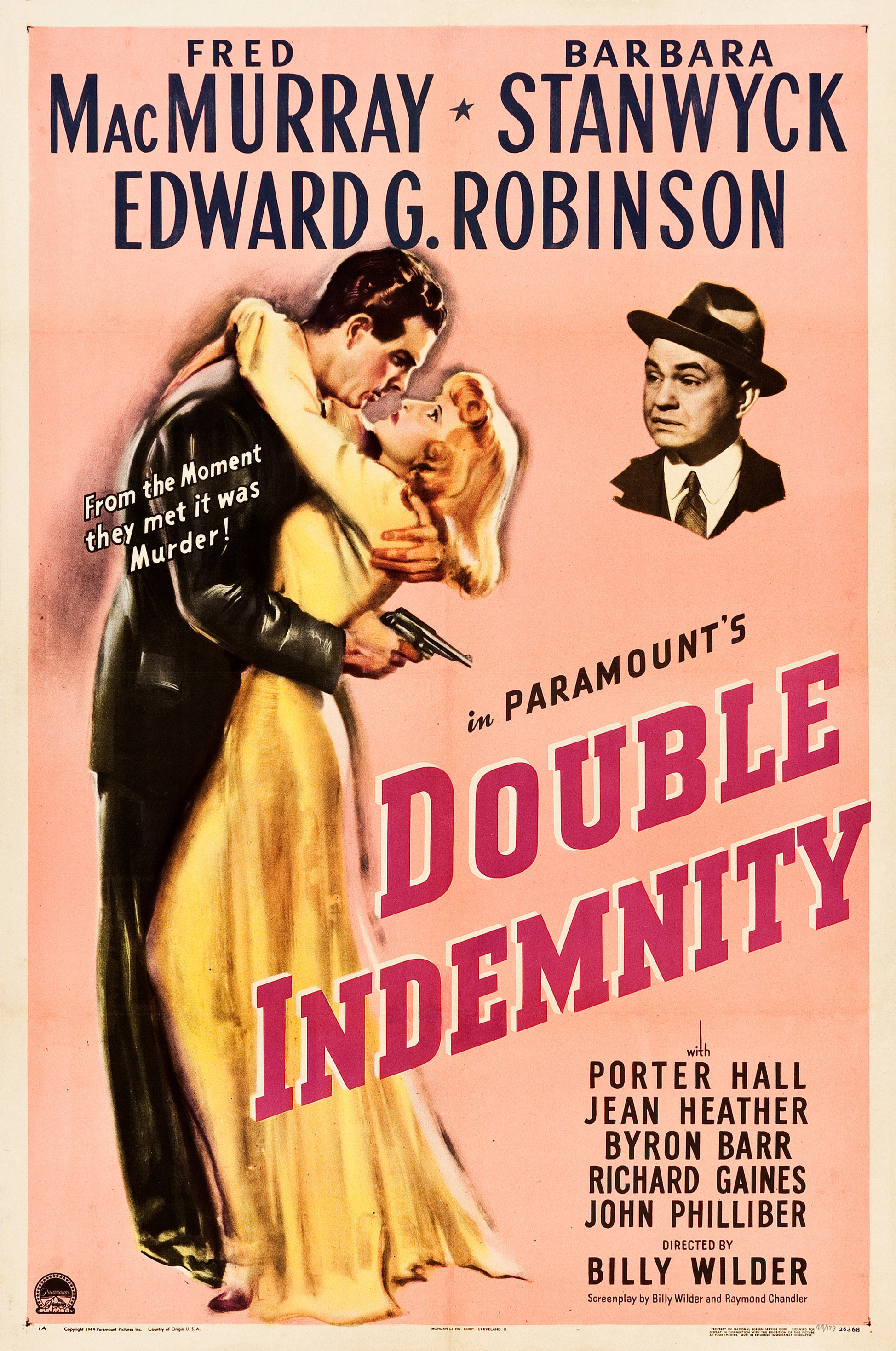
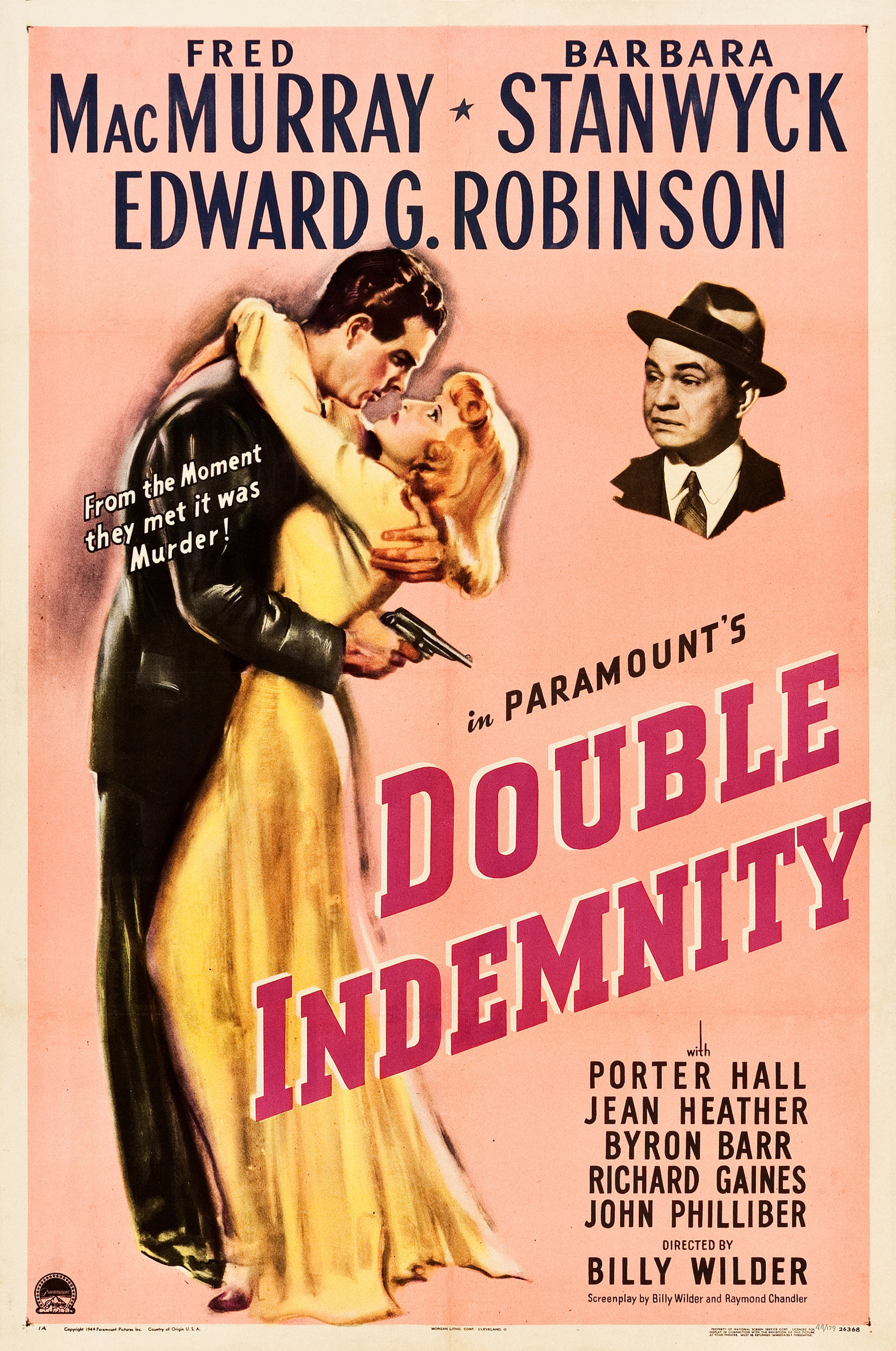
His chronological progression reveals a filmmaker of astonishing versatility. In the 1940s, Wilder helped define the visual and thematic boundaries of the crime thriller with Double Indemnity. This definitive work set a benchmark for taut narrative construction and established his reputation as a master of suspense and moral ambiguity. He did not remain confined to the shadows, however, and soon expanded his repertoire to include everything from courtroom dramas to blistering industry critiques, proving that his meticulous direction could elevate any generic framework.
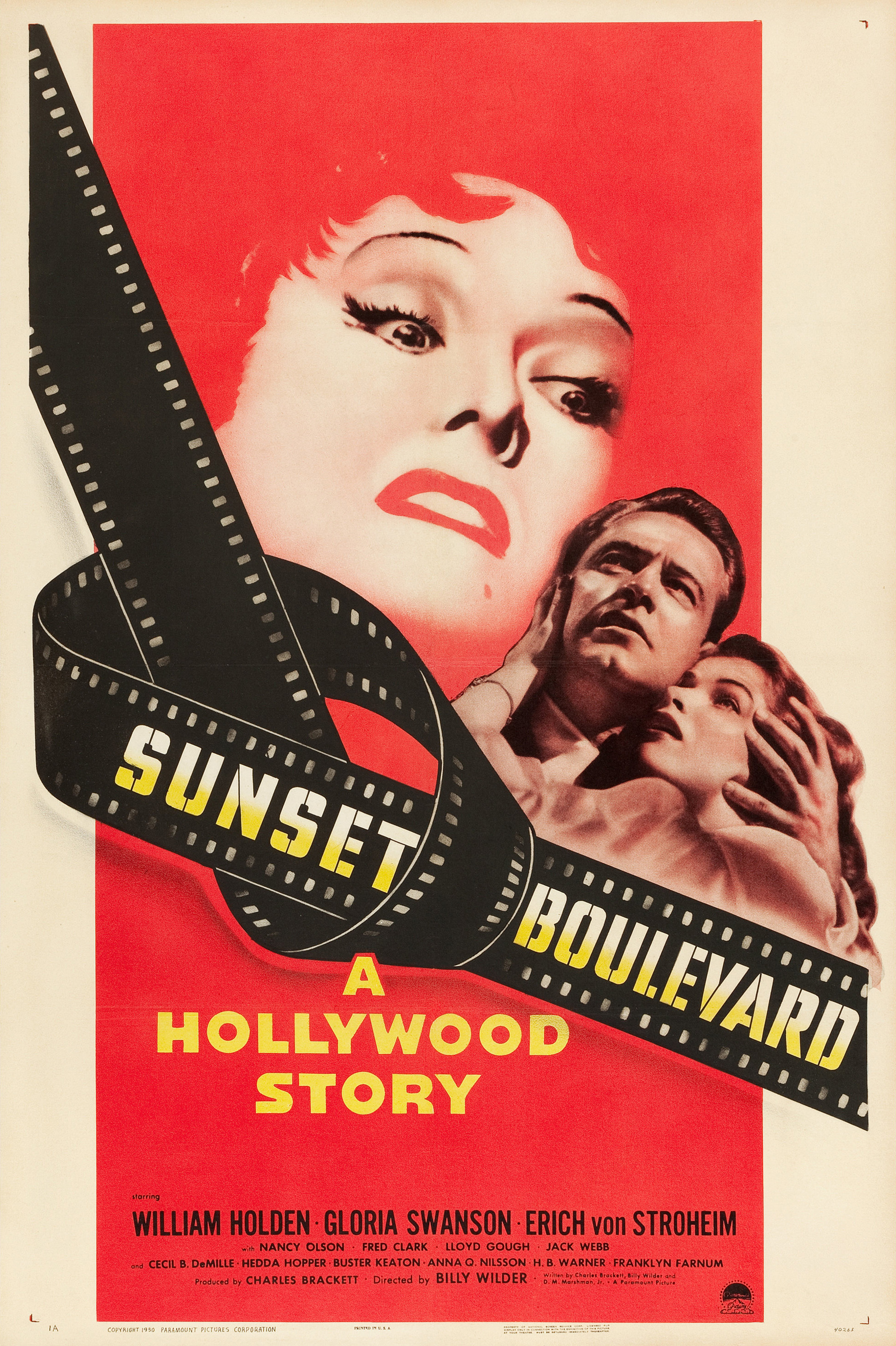
The transition into the 1950s and 1960s saw Wilder entering what critics have famously dubbed his miracle decade. During this era, he pivoted toward scathing social comedies and dramatic character studies. Sunset Boulevard offered a bitter, self-reflexive look at the decline of silent cinema, while Some Like It Hot and The Apartment cemented his reputation for a masterly satiric style mixed with profound emotional resonance. This period showcased his chameleonic ability to blend outrageous comedy with melancholy romance.
Throughout his storied career, Wilder secured his place in cinema history not by repeating a singular aesthetic, but by applying his relentless wit to a staggering variety of subjects. He scooped major Academy Awards and generated immense box office returns, all while maintaining an unpretentious style that disguised his peerless artistry. Today, his work is viewed as a bridge between classical Hollywood storytelling and modern, psychologically complex filmmaking, making his films mandatory viewing for cinephiles and art critics alike.
Thematic Preoccupations
The thematic core of Wilder's filmography is anchored in a deep fascination with deception, betrayal, and the moral compromises inherent in capitalist societies. In Double Indemnity, this manifests through narratives of insurance fraud and murder, where romantic entanglements are inextricably linked to financial greed and femme fatale archetypes. Wilder routinely forces audiences to confront the reality that his protagonists are driven by base desires, stripping away the traditional heroism of leading men in favor of avarice and cowardice.
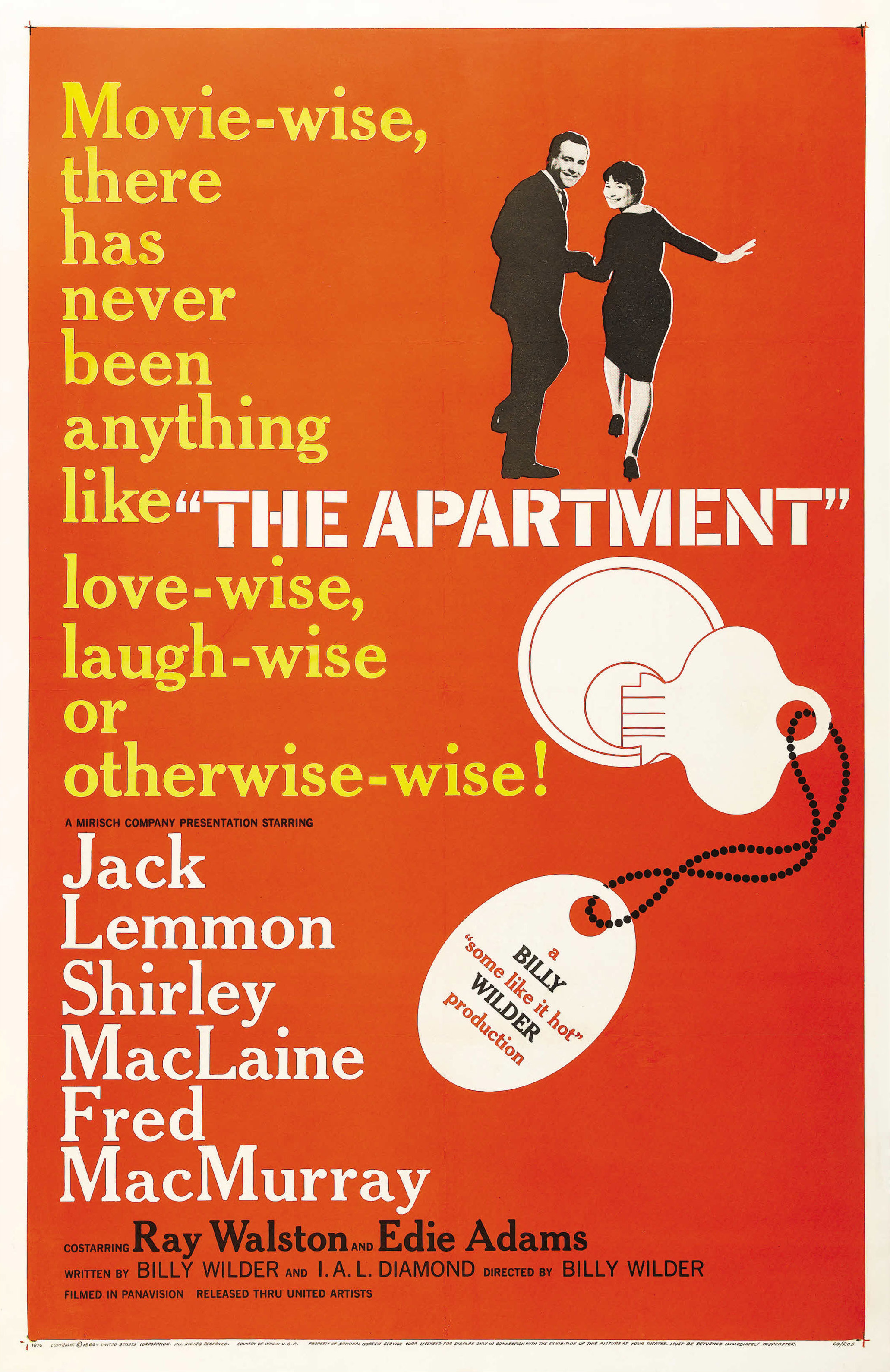
Corporate exploitation and urban isolation form another crucial pillar of his thematic concerns, particularly in his later masterpieces. The Apartment dissects the chilling emotional atmosphere of mid-century corporate culture and ambition, painting a bleak picture of workplace dynamics. Here, Wilder explores how personal sacrifice and profound loneliness are often exacted as the price of professional advancement. The big-city satire operates as a definitive critique of society, highlighting the romantic longing that struggles to survive in a fiercely transactional world.
Wilder frequently turns his critical lens toward the entertainment industry itself, investigating the toxic nature of celebrity. Sunset Boulevard serves as a scathing black comedy exploring Hollywood's dark side, the obsession with fame, and the tragic decline of silent cinema. The film operates as a ghost story of ambition, laying bare the grotesque consequences of vanity and the ruthless machinery of the studio system that discards its aging idols.
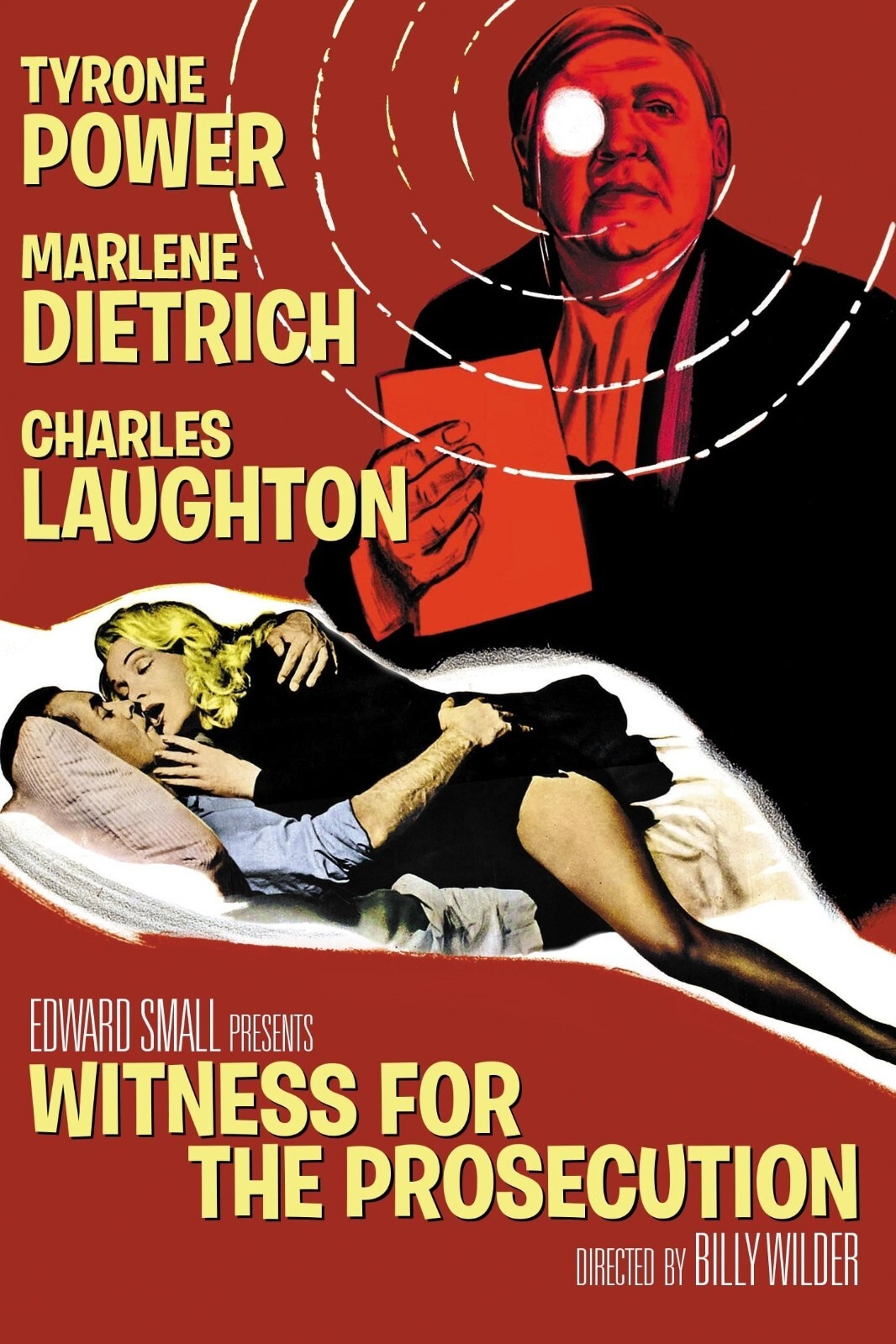
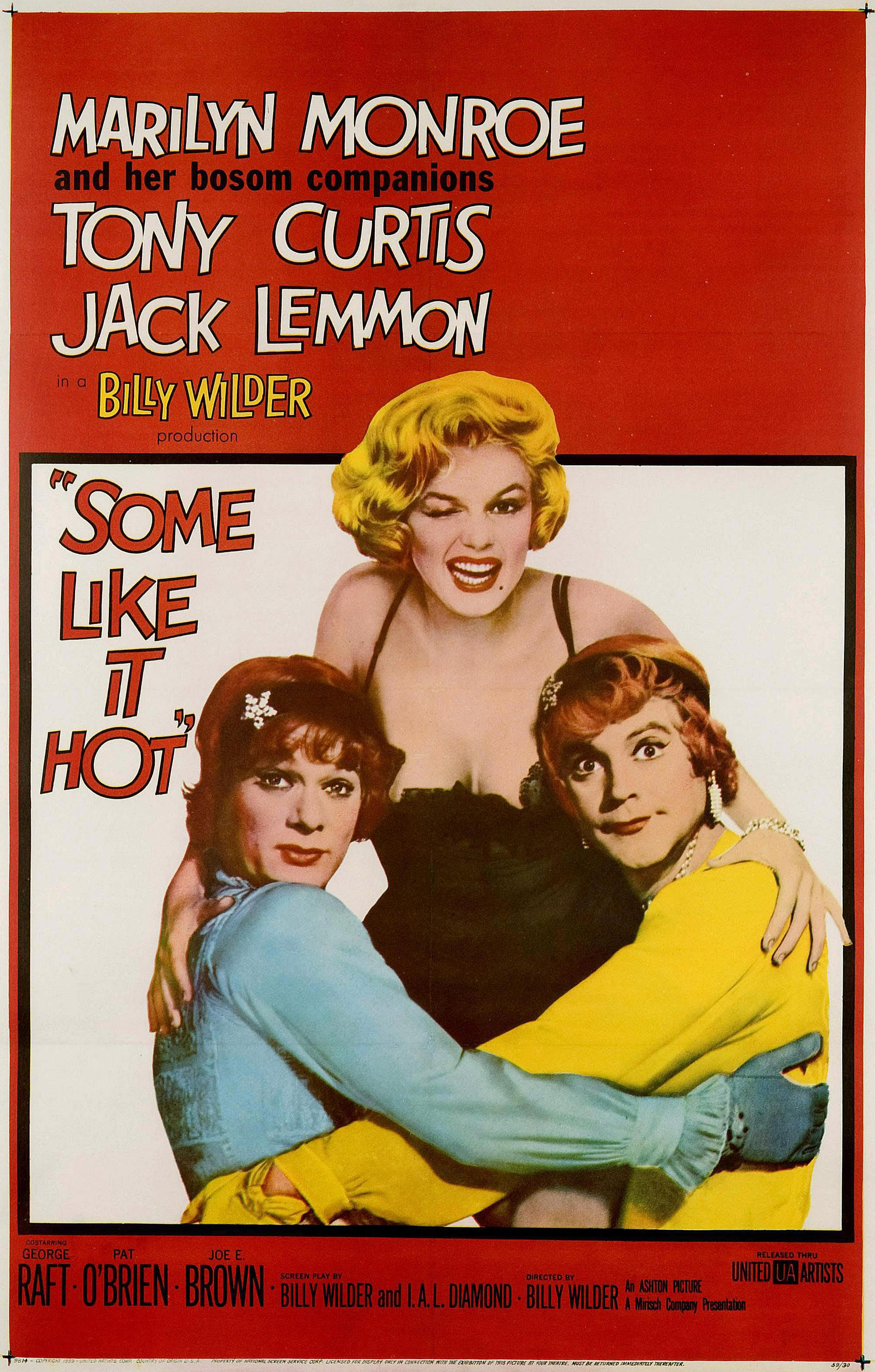
Identity, performance, and truth also permeate his comedic works and courtroom dramas alike. In Some Like It Hot, cross-dressing and shifting gender identities propel the narrative, masking a sophisticated commentary on sexual roles and societal expectations beneath outrageous gangster comedy. Similarly, Witness for the Prosecution interrogates the performative nature of justice and morality, using the courtroom setting as a grand stage for complex interpersonal deception and the manipulation of truth.
Stylistic Signatures
Wilder's directorial style is frequently characterized by its unpretentious, effortless storytelling and meticulous direction. Rather than relying on overt visual flourishes, he constructs his frames to serve scintillating dialogue and intricate character studies. His use of Brechtian techniques often creates a chilling emotional atmosphere, forcing audiences to confront the uncomfortable realities of his protagonists. This restraint allows the emotional complexity of the performances to anchor the narrative, ensuring that the visual language always supports the thematic weight of the script.
In the realm of crime and mystery, as seen in Double Indemnity and Sunset Boulevard, Wilder perfected a taut and sharp aesthetic that defined the genre. His visual language and mise-en-scène embrace the shadowy, oppressive geometry of urban spaces. Characters are often visually isolated, obscured by architectural elements that reflect their internal cowardice and moral ambiguity. He creates dark portraits of desperation using high-contrast lighting and claustrophobic framing, trapping his subjects in physical spaces that mirror their psychological prisons.
The rhythmic pacing of Wilder's dialogue is perhaps his most definitive stylistic signature. His scripts crackle with wit, whether delivering the timeless humor of a gangster comedy or the exposition-heavy revelations of a courtroom thriller like Witness for the Prosecution. This sharp, dialogue-driven pacing ensures that even his most melancholic and romantic tones never succumb to maudlin sentimentality. Every line is engineered to advance character or plot, a testament to his origins as a fiercely disciplined screenwriter.
Wilder also demonstrates a peerless artistry in manipulating audience expectations through structural foreknowledge. By playing with narrative perspective and dramatic irony, he transforms classic storytelling formulas into complex emotional experiences. He seamlessly balances joyous comedic moments with underlying tragic currents, creating a masterly satiric style that leaves audiences simultaneously entertained and intellectually provoked.
Recurring Collaborators
The foundation of Wilder's enduring success lies heavily in his brilliant casting choices and sustained creative partnerships. He frequently relied on a stable of actors capable of navigating his distinct blend of cynicism and profound vulnerability. Jack Lemmon remains one of Wilder's most essential collaborators, starring in defining works like Some Like It Hot and The Apartment. Lemmon possessed a unique ability to move seamlessly from light comedian to tragic everyman, perfectly capturing the loneliness and moral compromises of Wilder's mid-century corporate protagonists.
Fred MacMurray served as another crucial figure in Wilder's cinematic universe, helping to define the director's cynical worldview. In Double Indemnity, MacMurray shattered his wholesome, affable image to play a doomed insurance salesman driven by greed and lust. Seventeen years later, he reprised a spiritual continuation of that corporate predatory nature in The Apartment, playing a chillingly callous departmental boss. This partnership demonstrated Wilder's remarkable loyalty to actors who could channel moral bankruptcy with suave, understated charm.
Wilder's ability to extract career-defining performances extended to legendary actresses, whom he often cast against type or at critical junctures in their careers. Gloria Swanson delivered an extraordinary, grotesque portrayal of faded stardom in Sunset Boulevard, perfectly aligning with Wilder's dark vision of Hollywood's obsession with fame. Meanwhile, Marilyn Monroe brought irresistible charm and profound comedic timing to Some Like It Hot, elevating the film to a masterpiece production and delivering arguably her finest performance as the vulnerable Sugar Kane.
In the formal setting of Witness for the Prosecution, Wilder utilized the immense theatrical talents of Charles Laughton and Elsa Lanchester. Laughton's cunning, humorous performance grounded the film's complex narrative web of deception, proving that Wilder's meticulous direction thrived when paired with classically trained actors. Lanchester provided the perfect counterweight, allowing the husband and wife duo to infuse the courtroom drama with unexpected warmth and eccentric vitality.
Critical Standing
Billy Wilder's critical reputation has evolved from being recognized as a highly successful commercial filmmaker to being celebrated as a cinematic master of unparalleled emotional complexity. During his prime, films like The Apartment scooped major Academy Awards for Best Picture, Best Director, and Best Screenplay, validating his approach in the eyes of the Hollywood establishment. Today, critics frequently cite his 1950s output as a miracle decade, placing his directorial achievements alongside the legendary works of Alfred Hitchcock and the greatest silent comedies of Buster Keaton.
His influence on the development of specific cinematic genres cannot be overstated by modern art critics. Double Indemnity is universally lauded as a cornerstone of classic film noir, routinely compared to literary and cinematic touchstones like The Maltese Falcon and The Big Sleep. Similarly, Some Like It Hot is celebrated for stretching the limits of taste and genre formula in its era, pioneering new comedic frontiers while remaining a joyous experience that consistently commands top ratings in critical retrospectives.
Modern critical discourse frequently positions Wilder as an essential precursor to contemporary critiques of capitalism and corporate culture. Reviews often compare the big-city satire of The Apartment to modern prestige television like Mad Men or literary adaptations like Revolutionary Road, highlighting how his exploration of romantic longing, loneliness, and workplace exploitation remains startlingly relevant to modern audiences. His prescient understanding of urban isolation continues to resonate strongly within contemporary film studies.
Ultimately, Wilder is revered for his masterly satiric style and effortless mastery of tone. Critics praise his unique ability to seamlessly blend outrageous comedy with profound melancholy, crafting timeless entertainment that doubles as scathing social commentary. His films remain enduring treasures of the medium, commanding perpetual study in film schools for their flawless narrative architecture, crackling dialogue, and unflinching humanism.